
Last updated November 24, 2026
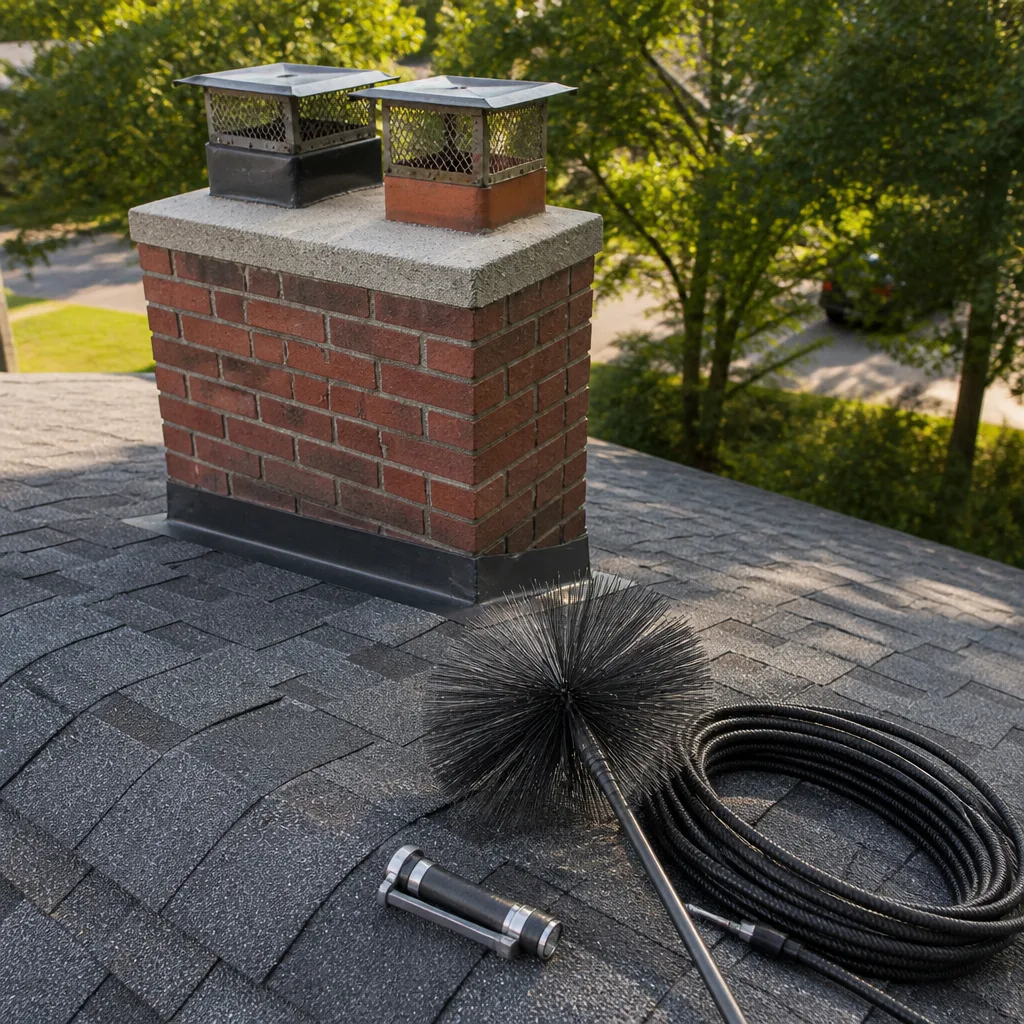 Sweep & inspection
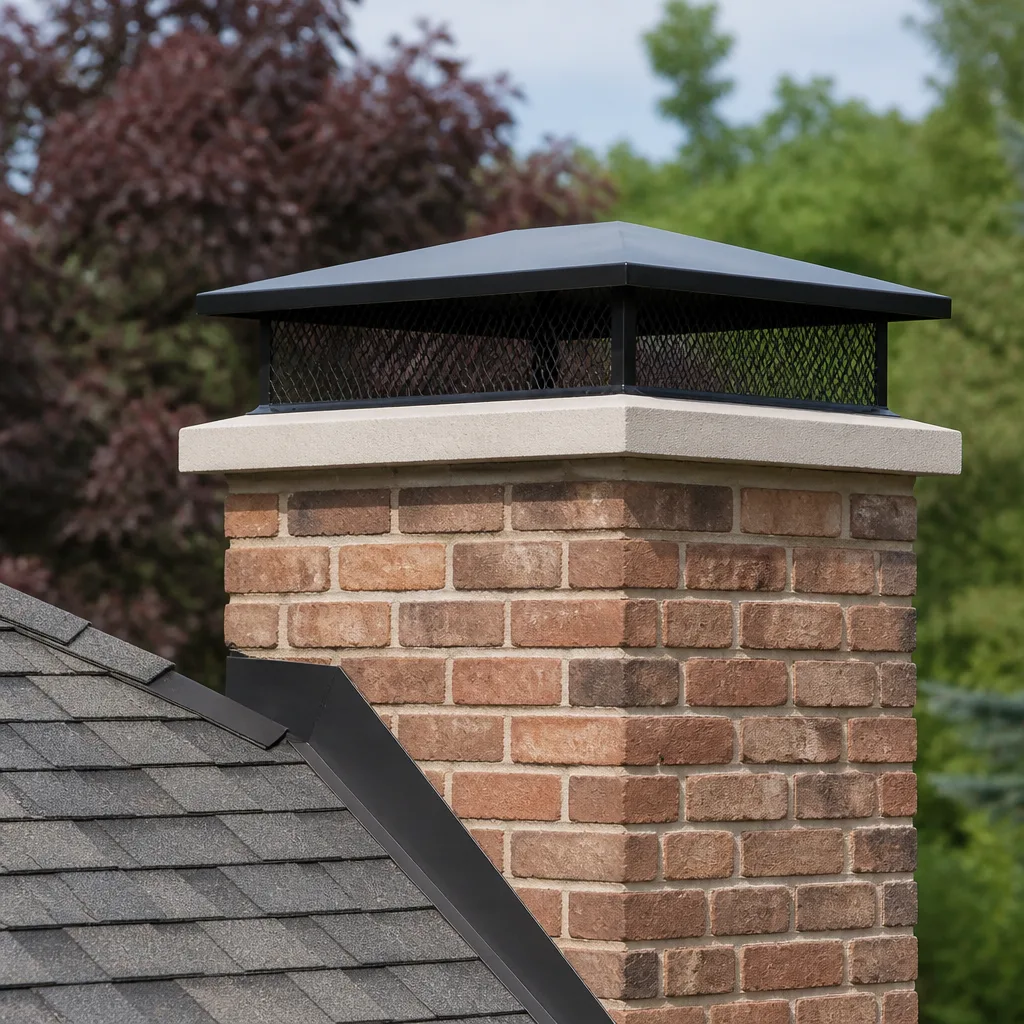 Caps & crowns
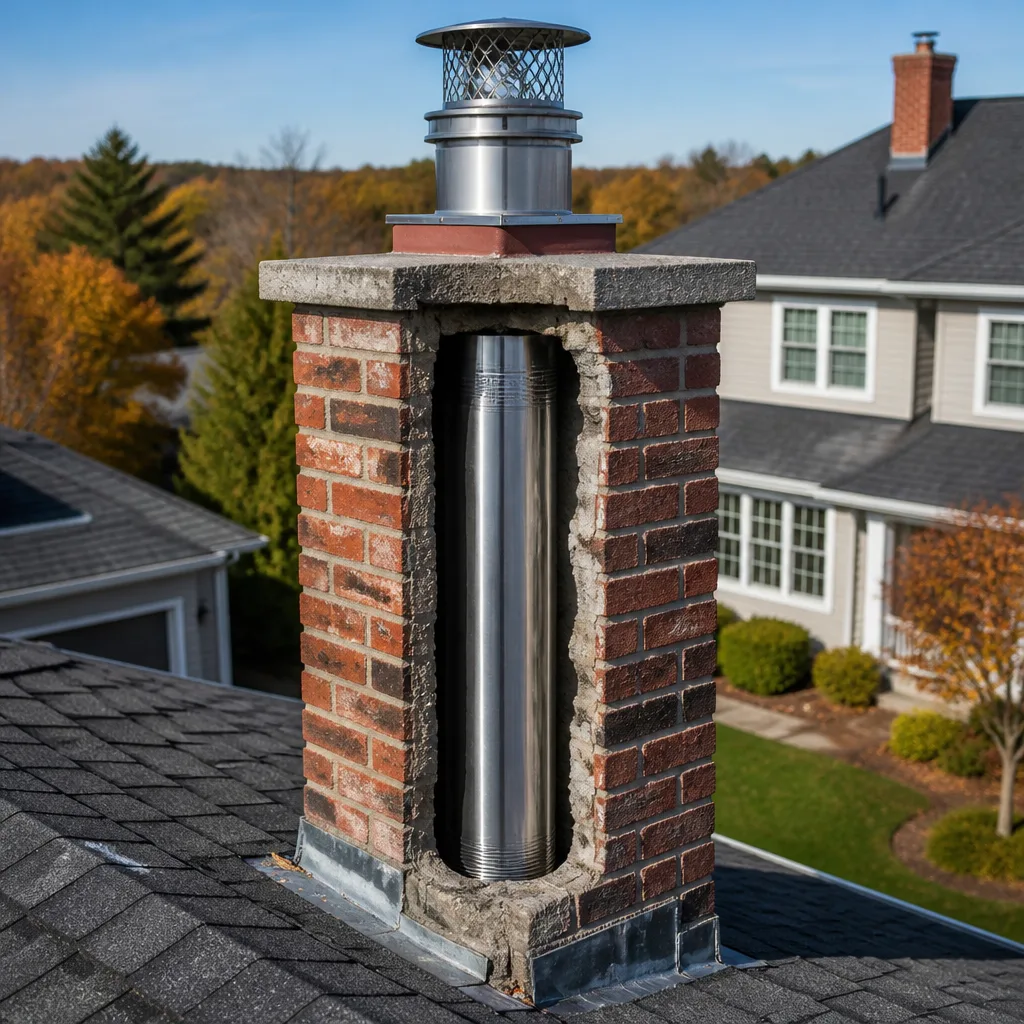 Flue relining
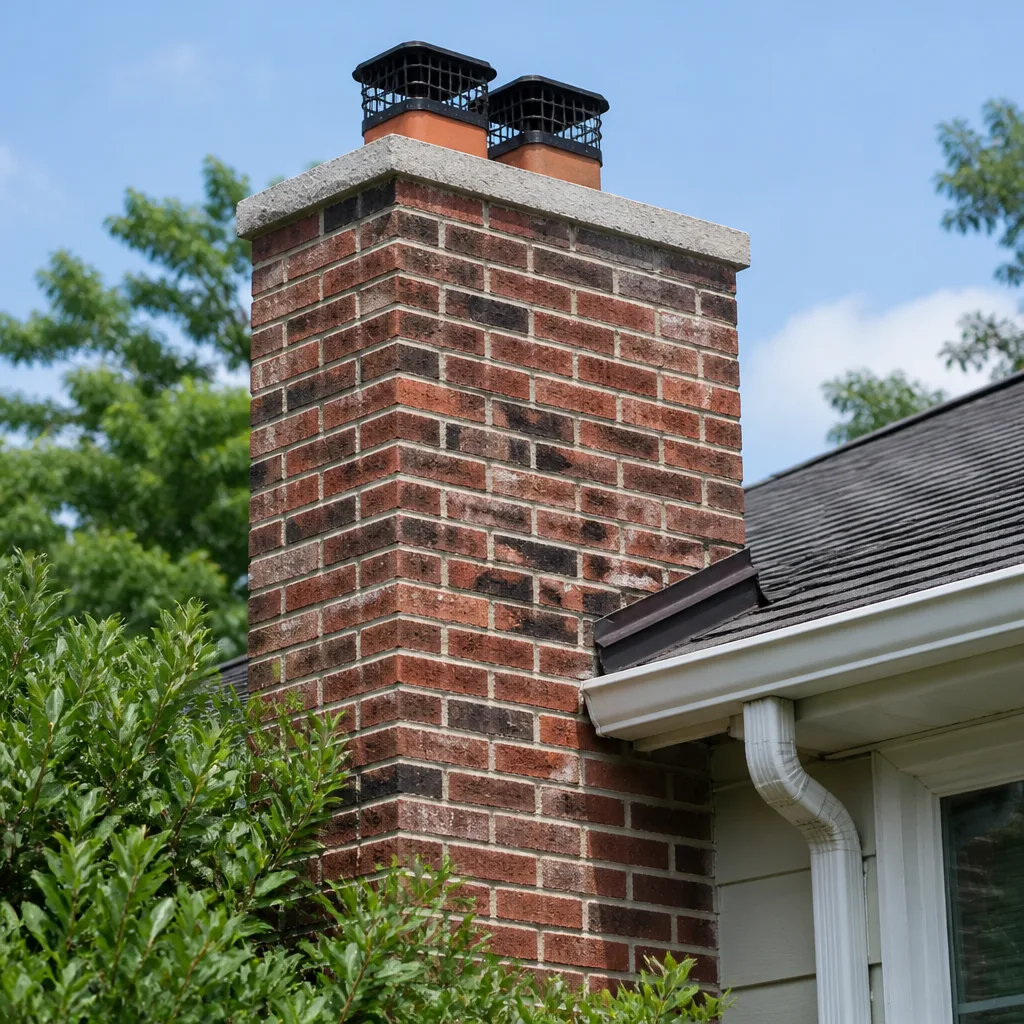 Masonry repair
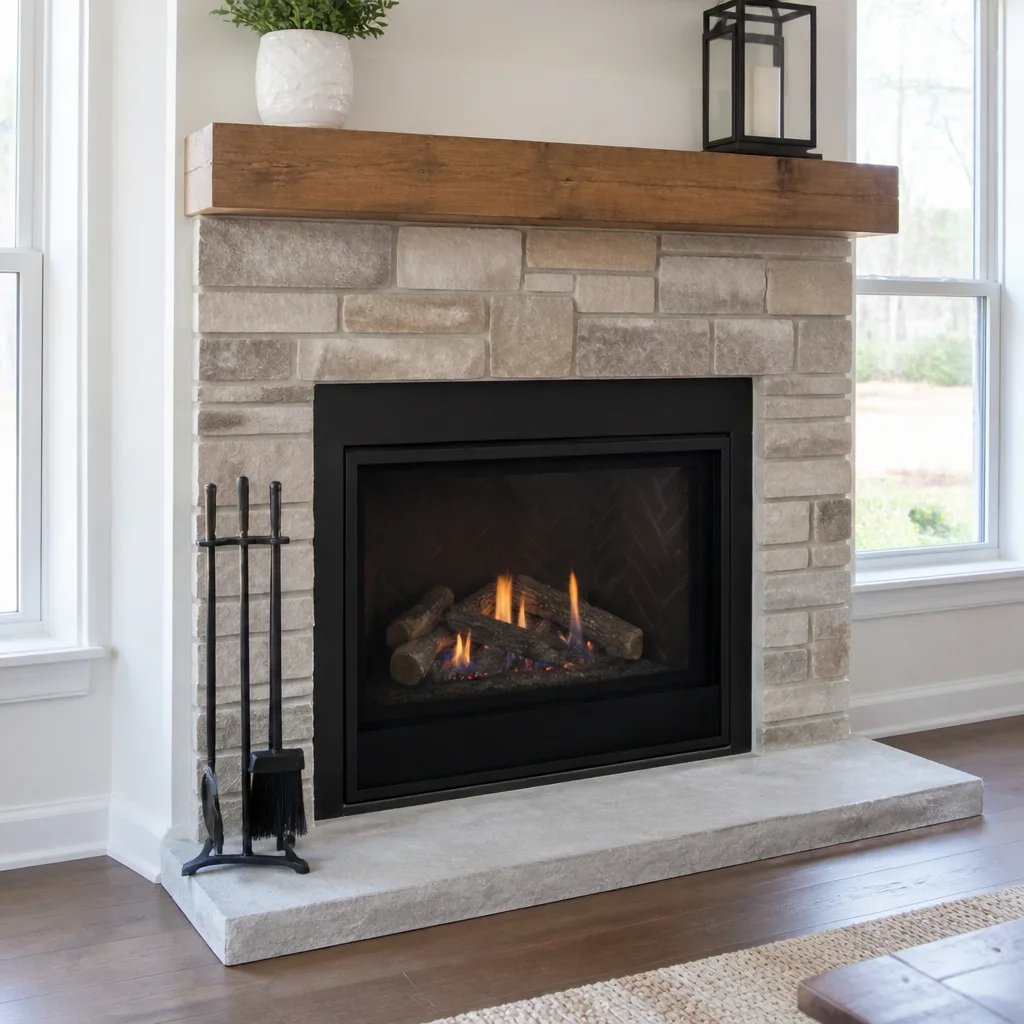 Gas fireplace service
Level 1 sweep and inspection to the NFPA 211 annual standard - flue, crown, cap, and flashing checked and photographed
Chimney sweep logs do not sweep chimneys. They loosen some creosote - which then falls where a brush and vacuum still have to collect it.
Chimney Sweep Maintenance Checklist for Antioch Homeowners
The most expensive chimney repairs in Antioch almost always trace back to one missed item: a cracked crown that let water in for two or three winters before anyone noticed. Water damage doesn’t announce itself. It works quietly behind flashing and masonry until a small crack becomes a rebuild. Most homeowners think chimney care is one annual sweep and nothing more. The truth is that Antioch’s weather asks different things of a chimney at different points in the year, and the homeowner who checks at the right moments catches costly problems while they’re still cheap. This guide walks through a full yearly checklist built around Antioch’s seasons, its storm patterns, and the fireplace setups common in this part of Middle Tennessee. You’ll learn what to inspect yourself and what genuinely needs a professional.
Quick Answer
A chimney maintenance checklist for Antioch homeowners covers four seasonal checkpoints: a pre-season visual inspection in early fall before the first fire, a post-storm check after severe weather, a mid-season creosote assessment in January, and an end-of-season sweep and close-out in March. Homeowners can handle ground-level visual checks and basic housekeeping; anything involving the flue interior, the crown, the liner, or the firebox needs a credentialed chimney professional.
Styles & brands we work with
- Sweep & inspection
- Caps & crowns
- Flue relining
- Masonry repair
- Gas fireplace service
Table of Contents
- Pre-Season Checklist: Before the First Fire
- Post-Storm Checklist: After Middle Tennessee Weather
- Mid-Season Check: When Creosote Builds Faster Than Usual
- End-of-Season Close-Out: The March Sweep
- What You Can Check vs. What Needs a Professional
- Keeping a Gas Fireplace on Schedule Too
- How Often Antioch Chimneys Actually Need Sweeping
- Keeping Records That Protect Your Home
Pre-Season Checklist: Before the First Fire
Antioch’s first cold snap usually pushes people to light a fire in a hurry. Before that happens, spend fifteen minutes on a ground-level walk-around. These checks won’t clear your flue, but they surface the problems most likely to have developed since last season and tell you whether you need a professional before you burn.
Walk the outside of the chimney and look up. You’re checking for obvious trouble, not diagnosing it.
- Look at the crown. The crown is the concrete cap on top of the chimney that sheds water away from the masonry. Any visible crack, a piece that’s flaking off, or a crack that has spread to the edge means water is likely getting in. This is the single most important visual check on the whole list.
- Check the cap. Is there a cap on the flue, and is it intact? A missing or damaged cap lets rain, birds, and squirrels straight into the flue. If you don’t have one, this is worth fixing before winter. Our chimney cap & crown work exists for exactly this reason.
- Scan the masonry for cracks or loose mortar. Look at the joints between bricks. Missing mortar or white staining indicates moisture problems.
- Look for staining on the flashing. The metal where the chimney meets the roof should be tight and clean. Rust streaks or gaps mean a leak path.
- Peek inside the firebox. Open the damper and look up. You’re checking for an obvious animal nest, a visible blockage, or heavy soot.
- Test the damper. It should open and close smoothly. A stuck or rusted damper means the chimney needs attention.
- Confirm your carbon monoxide detectors work. Press the test button on each unit. Every home with a wood-burning or gas fireplace should have them on each level.
If any of these checks turns up something, get it looked at before the first fire. A pre-season chimney sweep and inspection handles the parts you can’t see. Our technicians have up to 12 years of experience, and a sweep booked now beats a scramble later when everyone else in Antioch realizes it too.
Post-Storm Checklist: After Middle Tennessee Weather
Middle Tennessee doesn’t get one kind of storm – it gets several, and each one leaves a different signature on a chimney. After a significant weather event in Antioch, walk the property and look for the specific damage patterns each type of storm tends to produce.
High wind
Wind is the most common cause of chimney cap damage. After a windy front rolls through, check whether the cap is still seated, whether the mesh is bent or torn, and whether anything has been blown loose on the roof. Wind can also knock loose bricks or dislodge the top course of masonry. Look for debris at the base of the chimney.
Ice
Ice does its damage slowly. Water gets into a crack, freezes, expands, and widens the crack. After a hard freeze, look for new spalling on the brick face – flakes or chunks that have come off. Look at the crown again. A crack that looked minor in September can be noticeably worse after a February freeze. This freeze-thaw cycle is why a neglected crown crack in Antioch keeps getting worse winter after winter.
Heavy rain
Rain isn’t a problem until it finds a path. After a heavy rain event, look for water staining on the chimney exterior or on the ceiling and walls near the chimney inside. A musty smell in the room with the fireplace after rain is a signal worth noting. Hail is uncommon here, so the storm damage most Antioch homeowners deal with is wind, ice, and water rather than impact.
After any storm that’s worth noting, do a quick visual pass and write down anything that changed. If you see loose masonry, a damaged cap, or new interior staining, that’s the cue to call a professional inspection. The change you can see on the outside is often the smaller half of the problem.
Mid-Season Check: When Creosote Builds Faster Than Usual
Creosote is the tar-like residue that forms as smoke cools on its way up the flue. It’s the fuel for most chimney fires, and its buildup rate depends on how you burn, not just how much. By January, many Antioch households have burned through the bulk of their firewood, and that’s the moment to think about whether the buildup has run ahead of schedule.
Creosote tends to accumulate faster than normal when:
- You’re burning green or unseasoned wood. Wet wood makes more smoke, and more smoke means more creosote.
- You’re burning low, smoldering fires with the damper partly closed. Cooler flue temperatures let creosote condense instead of venting.
- You’re burning a lot of softwood. It burns fast and leaves more residue than seasoned hardwood.
- You’ve had a lot of cold, still nights where the fire smoldered all evening rather than burning hot.
- You’ve been burning more than usual because of a long cold stretch.
What you can check yourself: look at the inside of the firebox and the damper area. A thin, dusty, gray coating is normal soot. A sticky, tar-like residue, or a glaze that looks like hardened varnish, is creosote that’s built up more than it should. If you see glazing in the firebox, stop burning until the flue has been looked at.
What you can’t check yourself: the interior of the flue, which is where creosote matters most. If you’ve burned heavily through the winter and haven’t had a sweep, a mid-season professional cleaning is worth booking. It’s a straightforward appointment, and it tells you whether you’re on track for the rest of the season or looking at a problem. A mid-season sweep in Antioch is common, and we’d rather clean a flue now than examine the aftermath of a chimney fire in spring.
End-of-Season Close-Out: The March Sweep
The period after the last fire is actually the most important time to schedule a sweep, and it’s the checkpoint most homeowners skip. Everyone thinks about their chimney in October. Almost nobody thinks about it in March. That order is backwards.
Here’s why a spring sweep and close-out beats an autumn one. Creosote and soot left sitting in a flue all summer have months to draw moisture, and moisture is what accelerates corrosion of the liner and staining of the masonry. Leftover creosote also attracts pests looking for a dark, dry place. And acidity from residue can work on the flue over the warm, humid months in a way it doesn’t in cold weather. A spring cleaning takes out the residue before it has a whole summer to do that work.
What the close-out covers:
- Full chimney sweep. Creosote, soot, and any debris cleared from the flue.
- Inspection with a camera. A visual walk-through of the flue interior, the firebox, the damper, the crown, and the cap. This is where you see what’s actually happening in the chimney rather than guessing.
- Photo report and written findings. Everything we find, documented so you can keep it with your home records and compare it year to year.
- A repair plan, if needed. Anything that needs fixing, written as a plan with a written estimate. Nothing gets recommended without a photograph or a documented finding you can look at yourself.
The reason this beats an autumn sweep is that it gives you the whole summer to plan and schedule any repair before heating season, rather than finding out you need a crown rebuild a week before you want to light a fire. If your chimney has a problem, you’d rather know in March. For homeowners in Antioch, a spring close-out is the calmest, most useful time in the year to get it done.
What You Can Check vs. What Needs a Professional
One of the reasons people put off chimney care is not knowing where the line is between “I can do this myself” and “I need someone.” The line is clearer than it looks. Anything you can see without getting on the roof or inside the flue is yours. Everything else belongs to a trained professional.
Homeowner tasks
- Ground-level visual walk-around: crown cracks, cap condition, masonry staining, flashing.
- Interior checks: firebox soot, damper operation, staining on walls or ceiling near the chimney.
- Carbon monoxide detector testing and battery replacement.
- Keeping a record of the wood you burn and how much, so you know which years run heavier than others.
- Scheduling the season’s appointments at the right points.
Professional tasks
- Any work on the roof, including cap and crown replacement. Roof work is a fall hazard and not a homeowner job.
- Any work inside the flue. The flue interior is confined space with soot and creosote, and a proper inspection needs a camera and training.
- Firebox and damper repair. Firebox repairs involve refractory materials that have to be installed correctly to hold up – the wrong material fails and can be a fire risk.
- Liner work. Liner installation and repair is specialist work, and materials matter. We work with DuraFlex liner systems and HeatShield resurfacing, both recognized products in the chimney industry, rather than general retail parts.
- Any structural repair to the masonry. Cracks, loose bricks, and leaning chimneys are structural.
- Any diagnosis of “why is my fireplace doing this?” The answer needs a proper inspection.
The line matters because the parts that need a professional are also the parts where mistakes are dangerous. We’d rather a homeowner check the crown from the ground and call us than get on the roof to look at it. Our Antioch Chimney Sweep service covers the professional side of the list, from inspection through repair.
Keeping a Gas Fireplace on Schedule Too
Homeowners with a gas fireplace often assume the checklist doesn’t apply. A gas fireplace doesn’t produce creosote, so it doesn’t need a sweep in the wood-burning sense. But it still needs an annual inspection, and it’s often skipped because the visible part of the fireplace looks fine. The combustion path, the venting, the pilot assembly, and the logs are all worth an annual look, especially the venting.
Gas fireplaces are typically vented, and the vent can be blocked by debris, birds’ nests, or a damaged cap – the same issues that affect a wood-burning chimney. A blocked vent on a gas fireplace is a serious carbon monoxide risk, which is exactly the kind of problem you can’t see. Gas fireplaces also accumulate dust and pet hair in the burner area, which affects performance and can leave soot on the logs.
The annual gas fireplace inspection covers:
- Vent condition and termination.
- Burner and pilot assembly.
- Log and ember placement.
- Carbon monoxide safety check.
If you’re a gas fireplace household in Antioch, put this inspection on the same annual rhythm as a wood-burning chimney sweep. We handle gas fireplace service as part of our fireplace repair work. Skipping it means skipping the vent inspection, and that’s the part with the safety issue. Call (844) 625-6985 to book it. We answer 24/7. Fast dispatch from 7am to 7pm, Sunday through Friday.
How Often Antioch Chimneys Actually Need Sweeping
“Once a year” is the shorthand, but the answer depends on how much you burn. A fireplace used a few evenings a month and a fireplace used daily from October through March aren’t on the same schedule. Here’s how we think about it.
- Occasional use – a handful of fires a month – typically needs a sweep and inspection once a year.
- Regular use – several fires a week through the season – generally needs a sweep once a year plus a mid-season check.
- Heavy use – burning daily through the cold months – usually needs the flue assessed more than once a season, especially if you’re burning green wood or a lot of softwood.
- A change in habit – a new fireplace insert, a new home, a change to how you burn – should trigger a fresh inspection regardless of what the calendar says.
The other trigger is what you see. Glazing in the firebox, heavy soot, or a frequent smoky smell in the room all point to a sweep sooner than the calendar would suggest. A chimney sweep early is a small job; a chimney fire is not.
One more note: the sweep is also the moment for an inspection. A sweep without a look at the crown, cap, liner, and firebox leaves you with a clean flue but no information. We do both together – sweep and inspection on the same visit – so you know the whole chimney’s condition, not just the inside of the flue. That’s the version of a sweep that’s actually worth booking.
Keeping Records That Protect Your Home
One habit separates homeowners who stay ahead of chimney problems from those who get surprised: keeping records. Chimney damage is almost never sudden. It develops over seasons, and having a record of what the chimney looked like last year lets you see what’s changing and how fast.
Keep a simple file on the chimney, either physical or digital, and put these in it:
- Inspection reports and photo reports. Each year’s findings, and the date of the inspection.
- Sweep and repair receipts. What was done and when.
- Product details for any installed parts. Liner materials, cap and crown products, any venting components. This matters if you ever sell the home or need warranty information.
- A brief burn diary. How much wood you burned this year and roughly what kind. A one-line note is enough.
- Notes on storms. Any event where you noticed a change on the roof or the exterior.
The records are also the cleanest way to answer the question that comes up when a chimney needs work: “Was this here last year?” A photographed crown from an inspection two years ago compared to a crack today tells you exactly how fast it’s growing, and whether the repair can wait a season or needs to happen now. We build photo reports into every inspection for this reason. It also means that when we recommend a repair, you can see the thing we’re pointing at. Nothing gets recommended without camera evidence you can look at yourself.
Common Mistakes to Avoid
- Waiting for the first cold snap to book a sweep. By then everyone else in Antioch has the same idea, and the appointment you wanted in September becomes a scramble in November. Book the pre-season sweep in early fall, before the first fire.
- Skipping the post-storm check. Middle Tennessee’s wind and ice do their damage while nothing’s burning, and the change on the outside is often the only warning you’ll get. A five-minute walk-around after a storm is worth far more than the time it takes.
- Doing the March close-out in October instead. Everyone thinks about chimney care in fall, but a spring sweep takes the residue out before it has the whole summer to draw moisture and work on the flue. The best time is after the last fire, not before the first.
- Burning unseasoned or soft wood because it’s what’s on hand. Wet wood and softwood produce more smoke, and more smoke means faster creosote buildup. It’s the biggest accelerant of chimney problems in Antioch, and it’s a choice that happens before the fire is even lit.
- Treating a gas fireplace as maintenance-free. A gas fireplace doesn’t produce creosote, but its vent can still block, and a blocked gas vent is a carbon monoxide risk. Keep it on the annual schedule.
- Trusting a spotless-looking exterior as proof the flue is fine. The outside of the chimney can look fine while the flue liner is cracked, a cap has lost its seal, or creosote has built up inside. The only way to know is a proper inspection with a camera.
- Accepting a repair recommendation without evidence. If someone tells you that you need a new liner or a crown rebuild, ask to see the photo or the camera footage. A legitimate recommendation comes with something you can look at. If it doesn’t, get a second opinion.
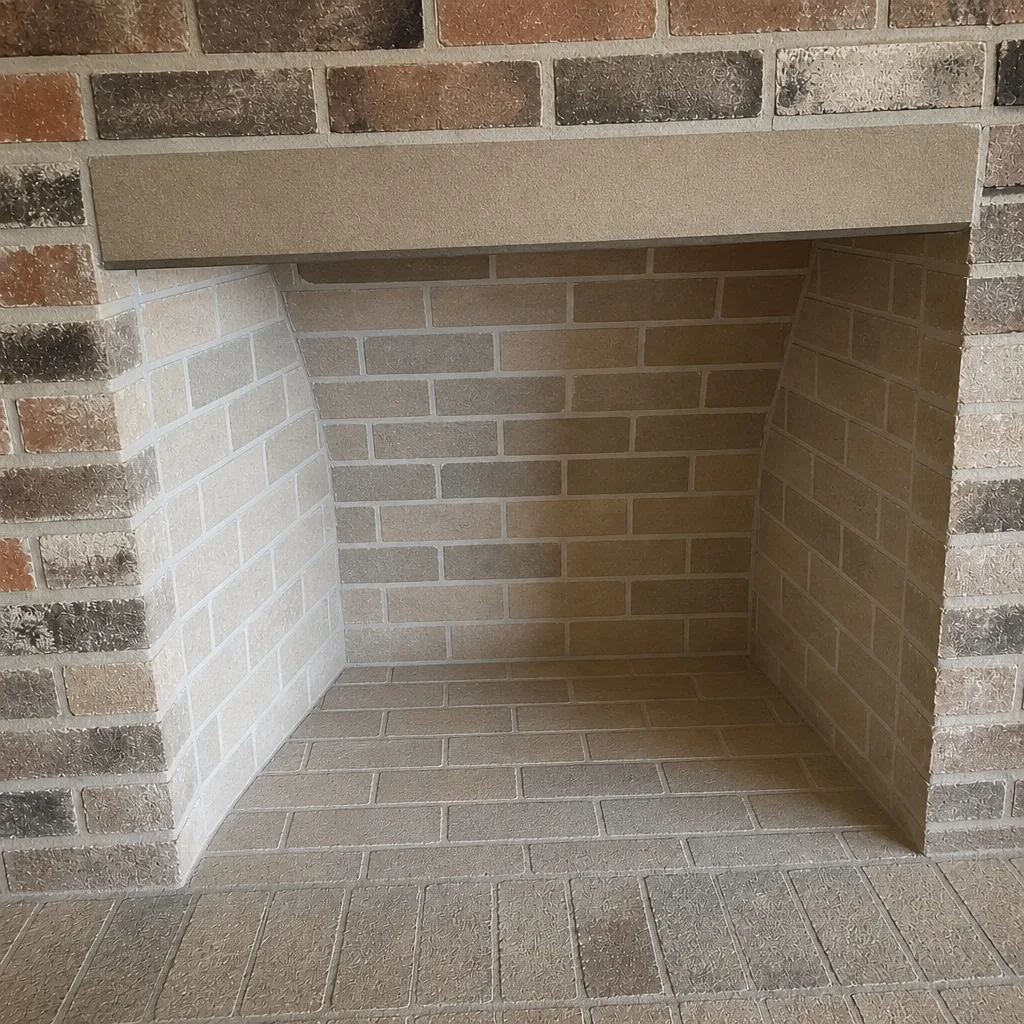
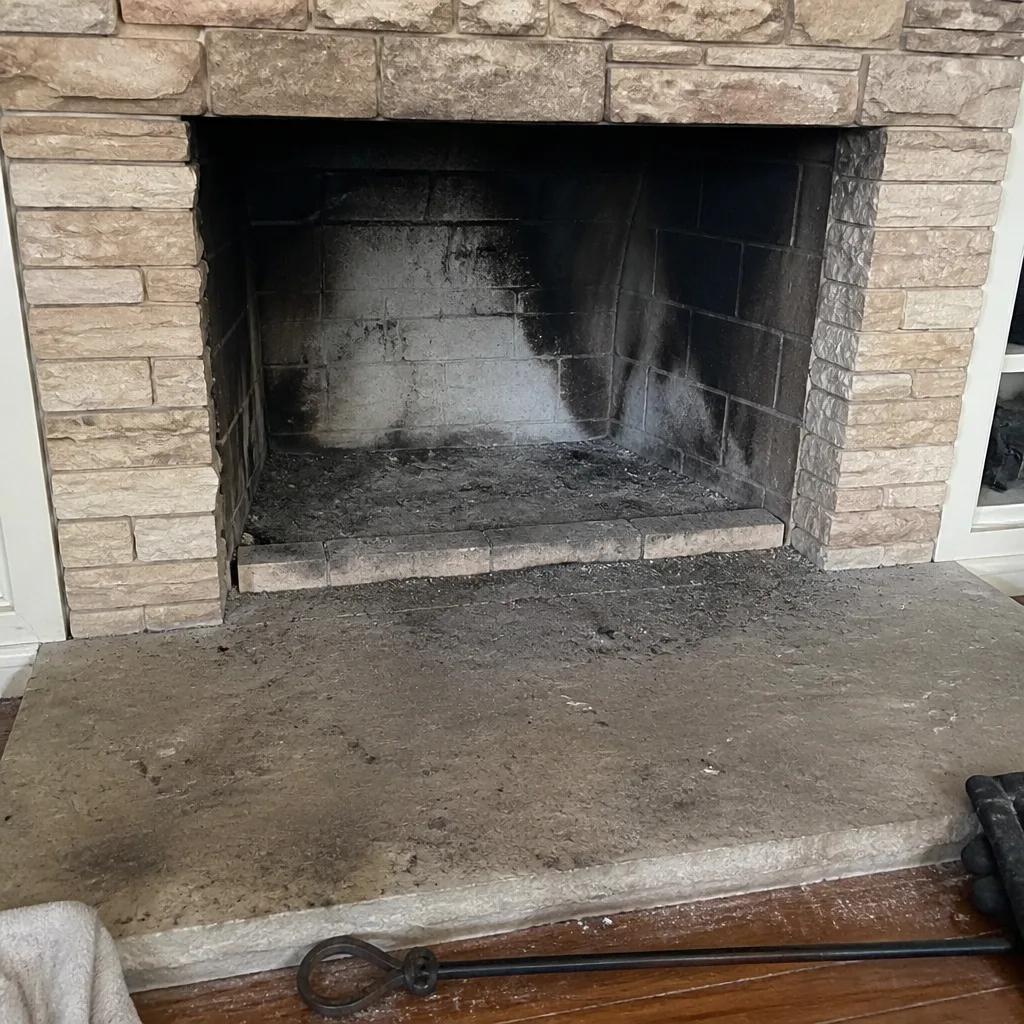
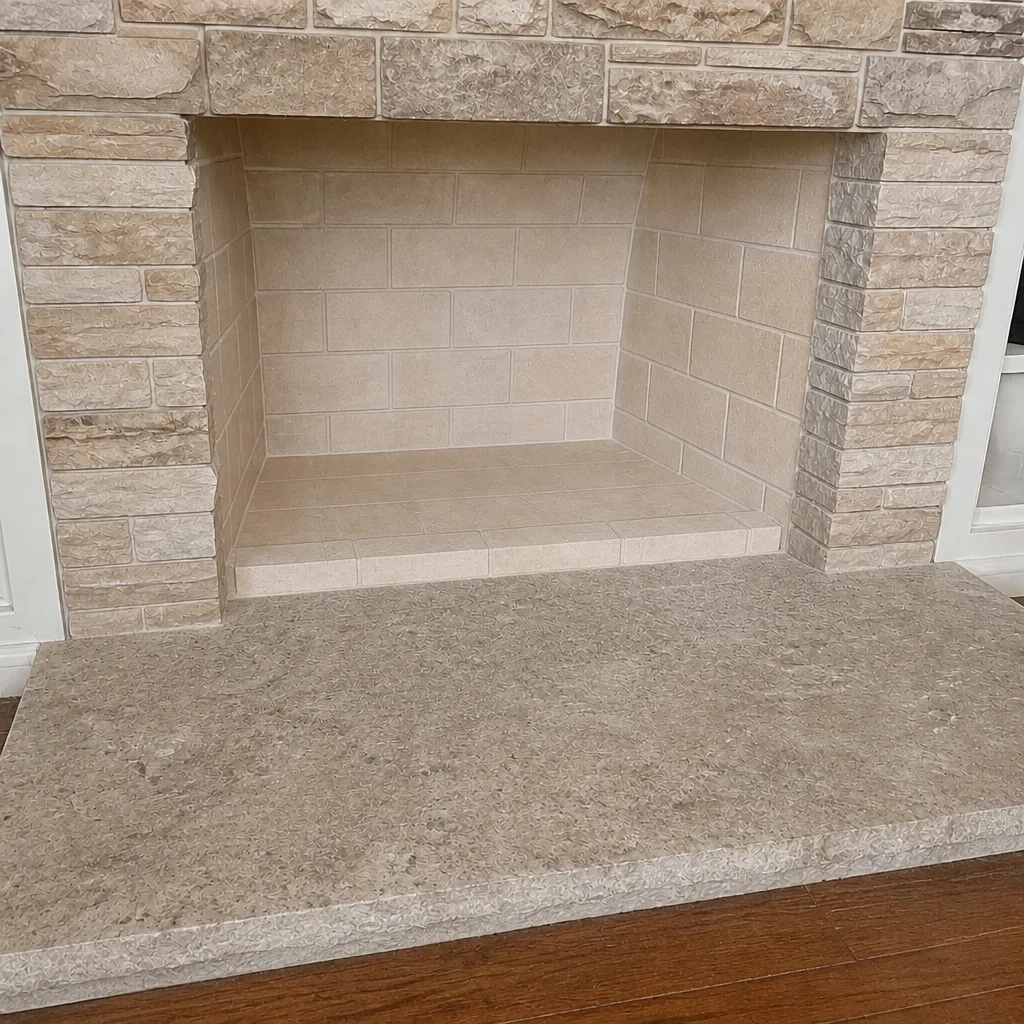
See the difference
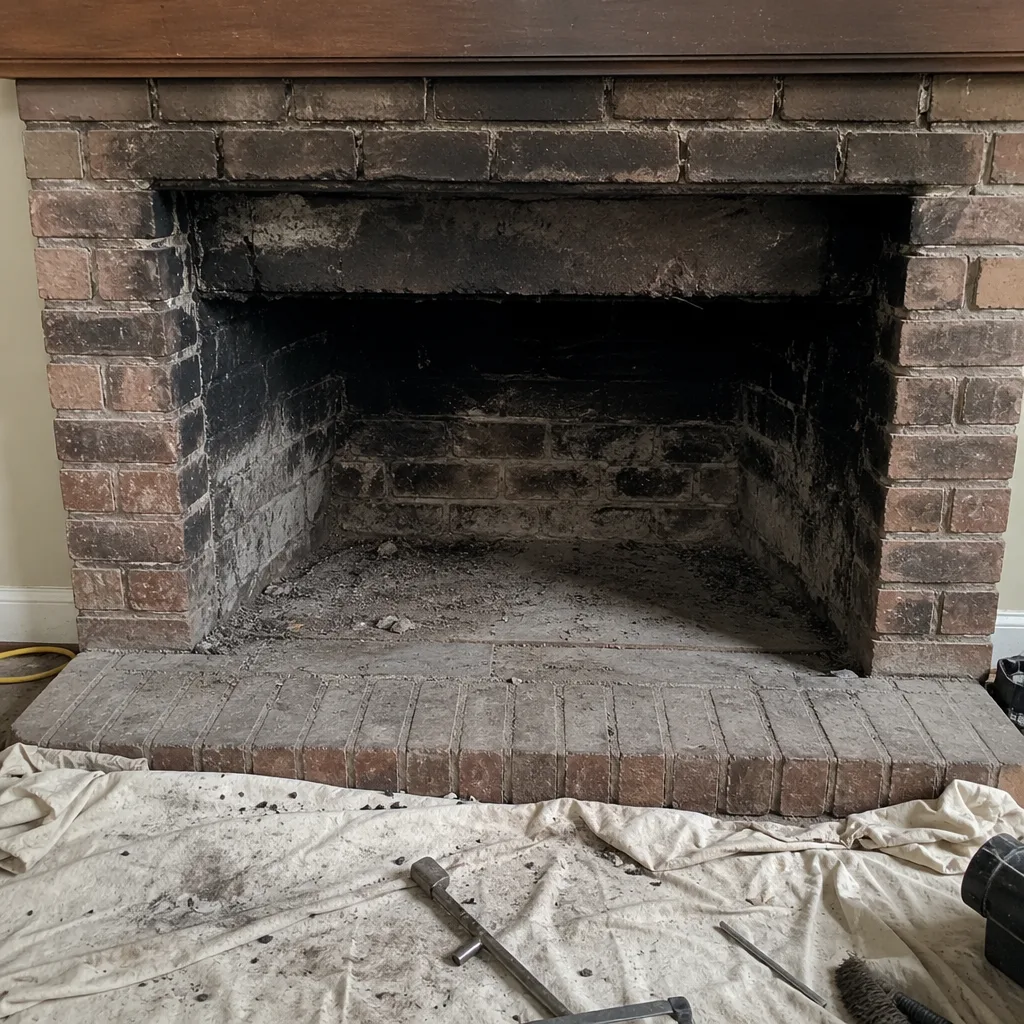 Before
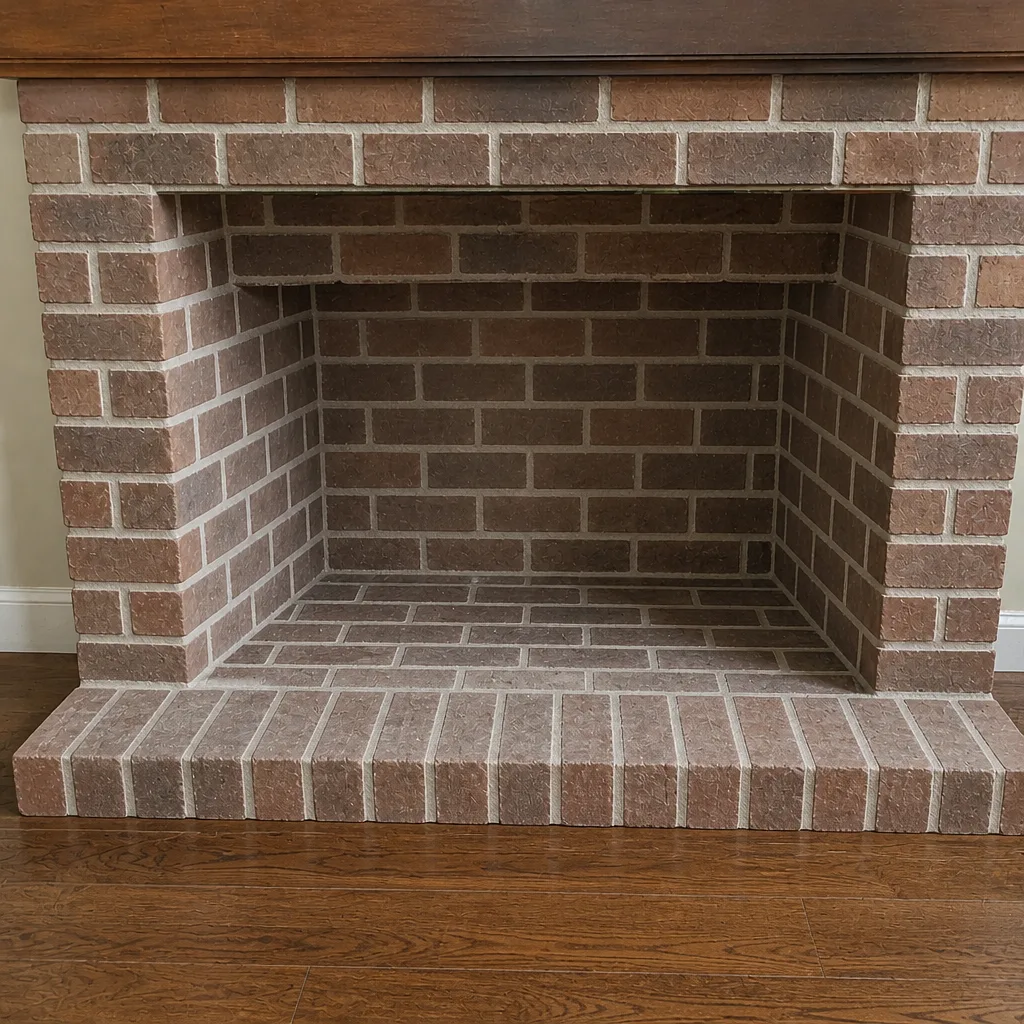 After
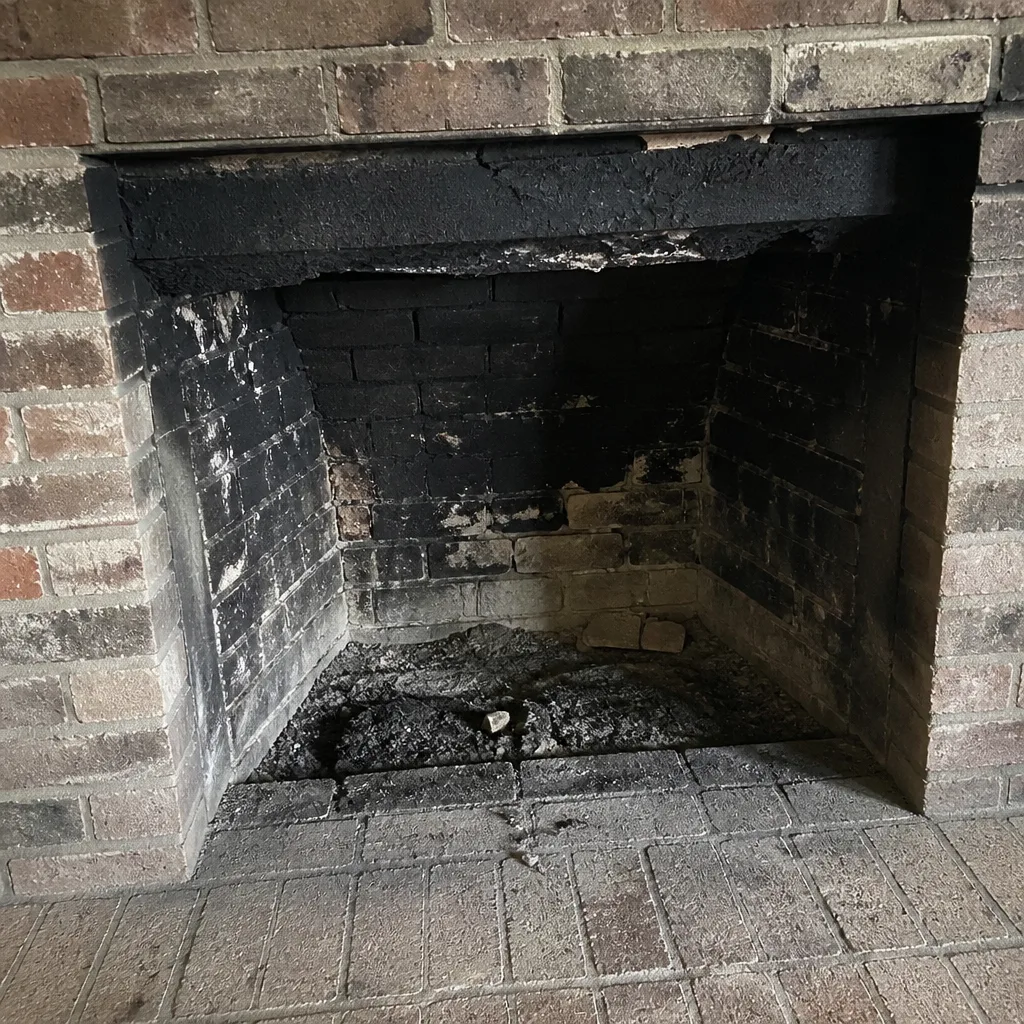 Before
 After
 Before
 After
When to Call a Professional
Call a professional in any of these situations: you’ve noticed a cracked crown or missing cap; you’ve seen new cracks in the masonry or water staining near the chimney; it’s been more than a year since your last sweep; you’re about to use the fireplace for the first time in a season; you smell smoke in the room when the fire is lit; you’ve had a chimney fire; your gas fireplace hasn’t been inspected recently; or you’re buying or selling a home in Antioch and want to know the chimney’s real condition. If it’s been more than a couple of years since the last professional look, that alone is reason enough. Antioch Chimney Sweep offers free estimates in Antioch – call (844) 625-6985. We answer 24/7. Fast dispatch from 7am to 7pm, Sunday through Friday.
Frequently Asked Questions
For most Antioch households, once a year is the baseline, plus a mid-season check if you burn several times a week through the winter. Heavy users and anyone burning unseasoned wood usually need the flue looked at more often. If you’ve burned through a whole winter without a sweep, book one now. Call (844) 625-6985 for an exact quote – estimates are free.
Skipping maintenance means creosote builds up inside the flue, and creosote is the fuel for chimney fires. It also means water finds its way in through a cracked crown or a bad cap and damages the masonry from the inside, which is where the expensive repairs come from. The carbon monoxide risk also grows if the flue or vent is blocked. None of this is dramatic until it is, which is why the checklist exists. Call (844) 625-6985 if you’ve skipped a season.
Yes – ground-level visual checks, interior firebox checks, damper tests, carbon monoxide detector checks, and recordkeeping are all homeowner tasks. Anything on the roof, anything inside the flue, and any repair to the firebox, liner, crown, or masonry needs a professional. The line isn’t about how handy you are; it’s about roof fall hazards, confined space, and fire safety.
A liner replacement is only needed when there’s documented damage – cracks, gaps, or a liner that’s deteriorated past safe service. It isn’t needed because a chimney is old or because a company thinks you should have one. We don’t recommend a liner without camera evidence you can look at. If you’ve been told you need one and weren’t shown footage, get a second opinion. Call (844) 625-6985 – estimates are free.
A gas fireplace doesn’t need a wood-burning sweep, but it does need an annual inspection of its venting and burner assembly. A blocked gas vent is a carbon monoxide risk, and it’s not something you can see from the room. Keep the gas fireplace on the same annual schedule – it’s part of what our fireplace repair service covers.
March or early fall – after the last fire or before the first. Spring is the quietest, most useful time because it takes leftover residue out before summer and gives you months to plan any repair. Early fall works if you didn’t get to it in spring, but book early to avoid the autumn rush.
The Bottom Line
A chimney checklist works when it’s timed to your home, not to a generic calendar. In Antioch that means a pre-season walk-around before the first fire, a post-storm check after wind and ice, a January look at creosote, and a March sweep and close-out after the last fire. Homeowners handle the ground-level and interior visual checks; the roof, the flue, and every repair belong to a professional. Done in this rhythm, the checklist catches the cracked crown, the failing cap, and the glazed flue while they’re still small problems. That’s the whole point – pay attention once a season, and the expensive repairs don’t happen.
When it’s time for the sweep, the inspection, or the repair, one call covers it: inspection, cleaning, cap and crown, and repair. We use professional-grade materials – Olympia Chimney, Famco, and DuraFlex among them – that chimney specialists rely on, and we tell you what we find and what actually needs fixing. Call (844) 625-6985 for a free estimate – a flat price agreed before we book. We answer 24/7. Fast dispatch from 7am to 7pm, Sunday through Friday.
Written by the team at Antioch Chimney Sweep.