
Last updated November 24, 2026
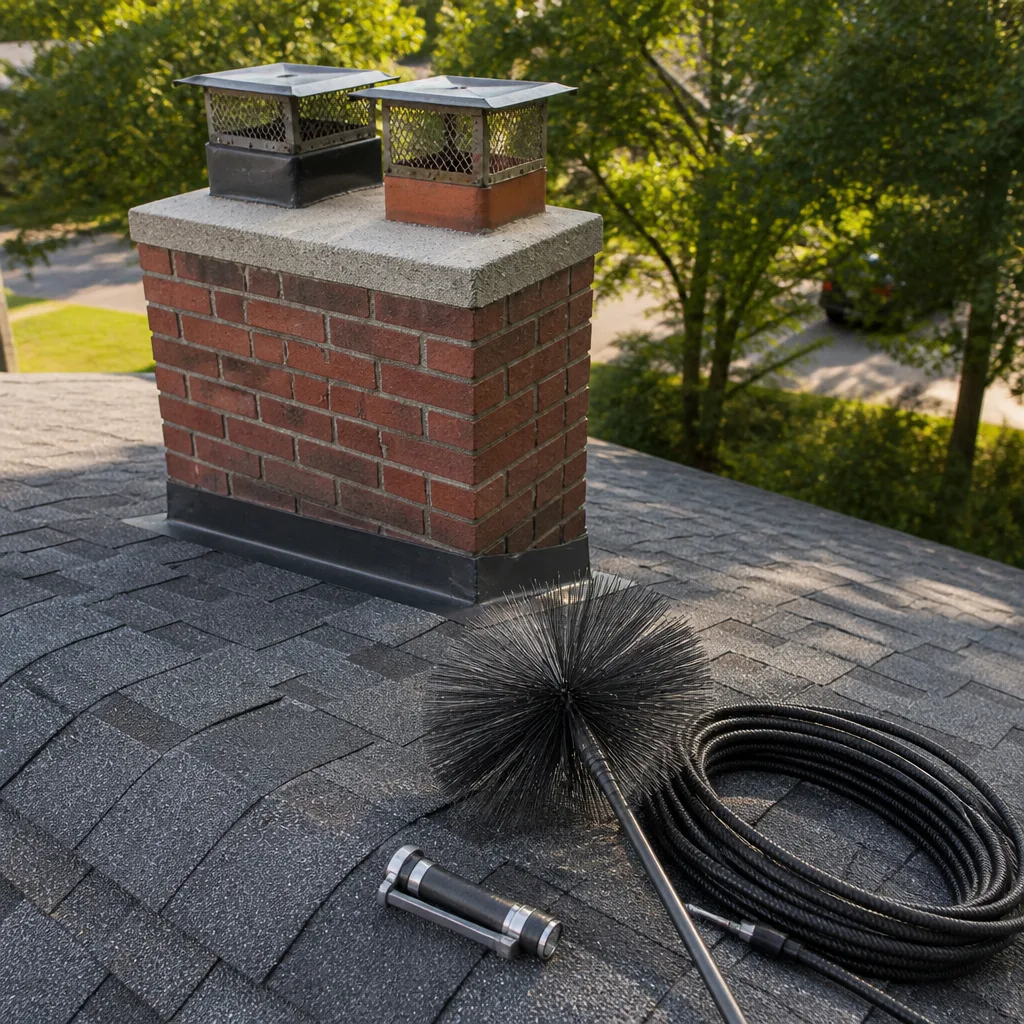 Sweep & inspection
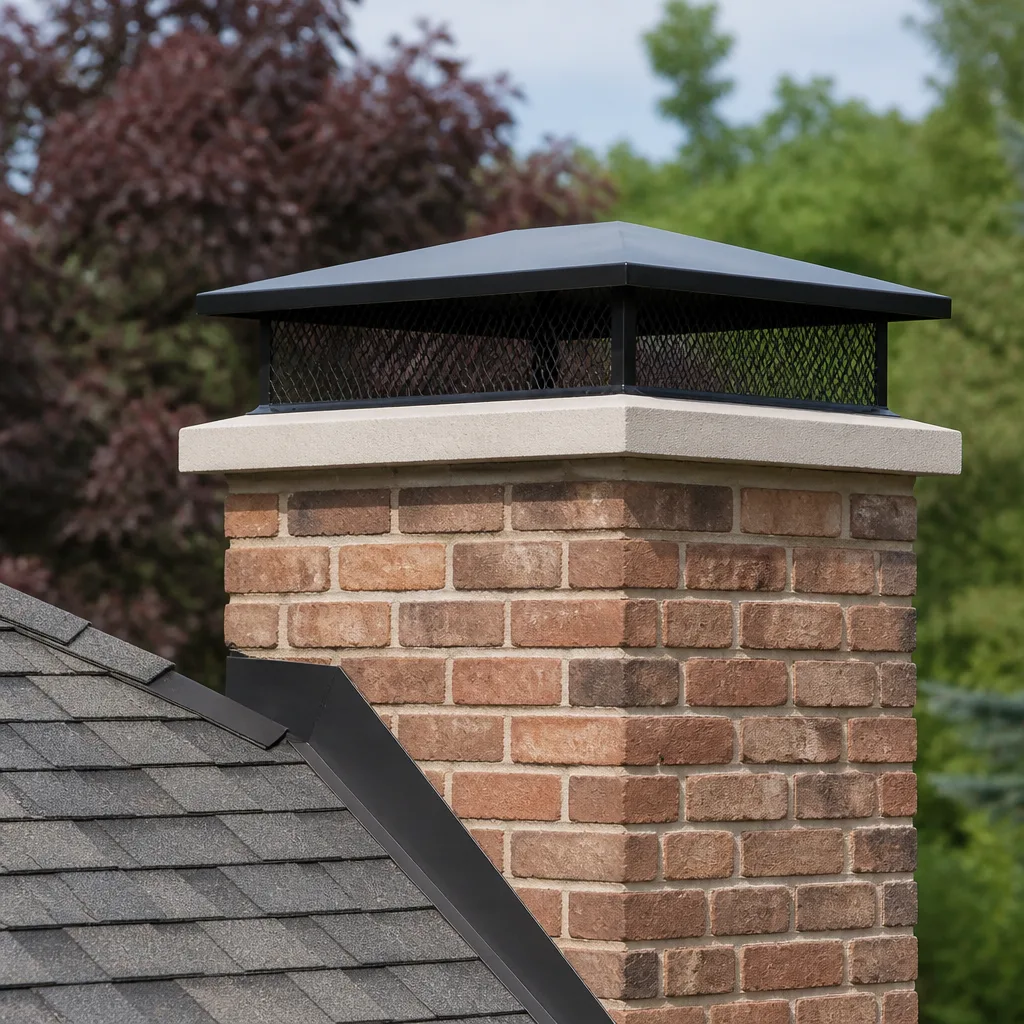 Caps & crowns
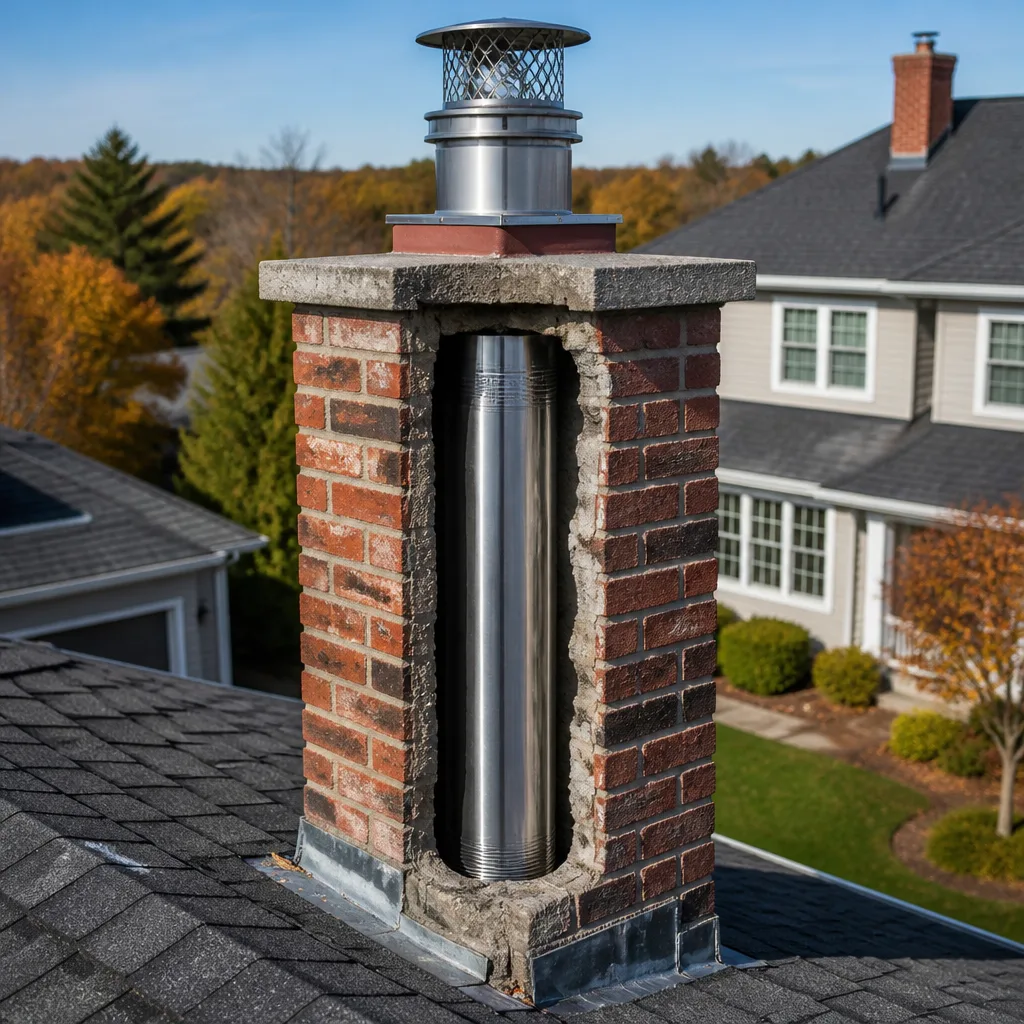 Flue relining
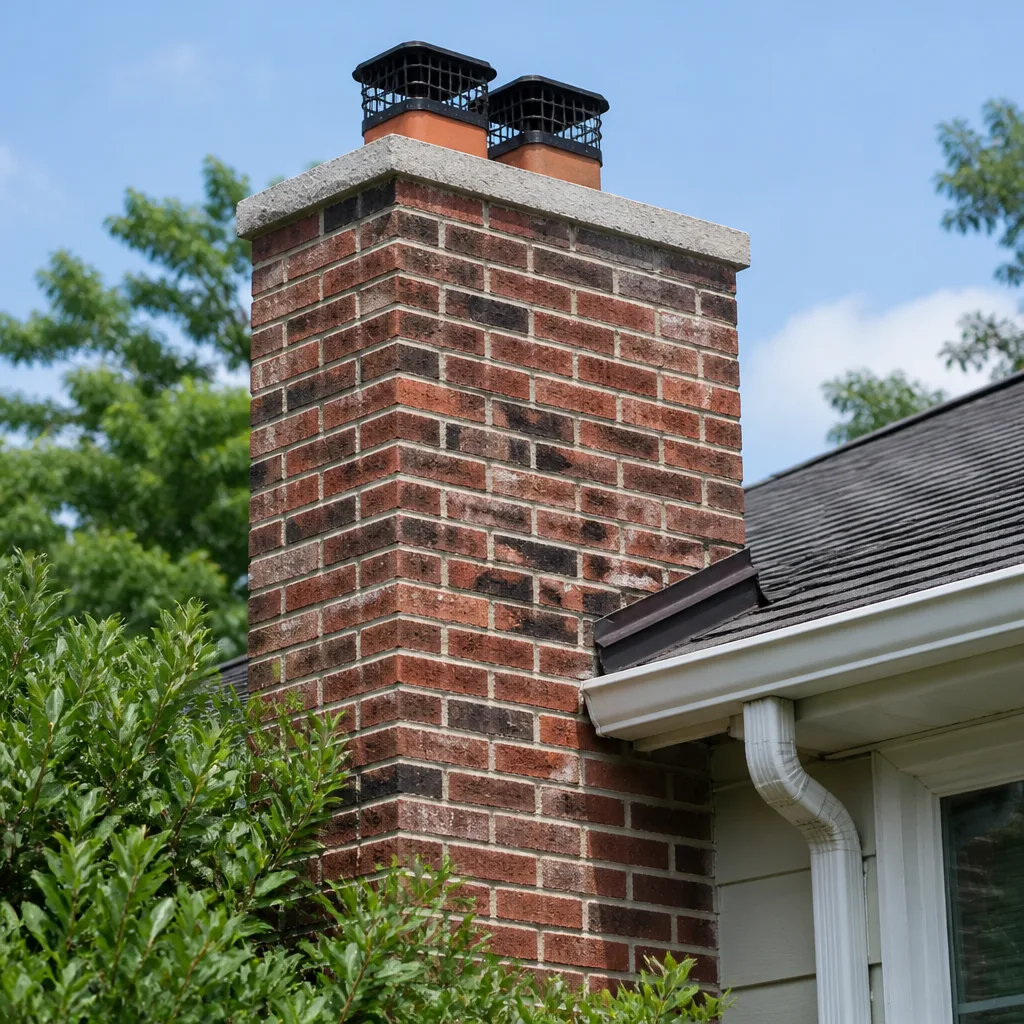 Masonry repair
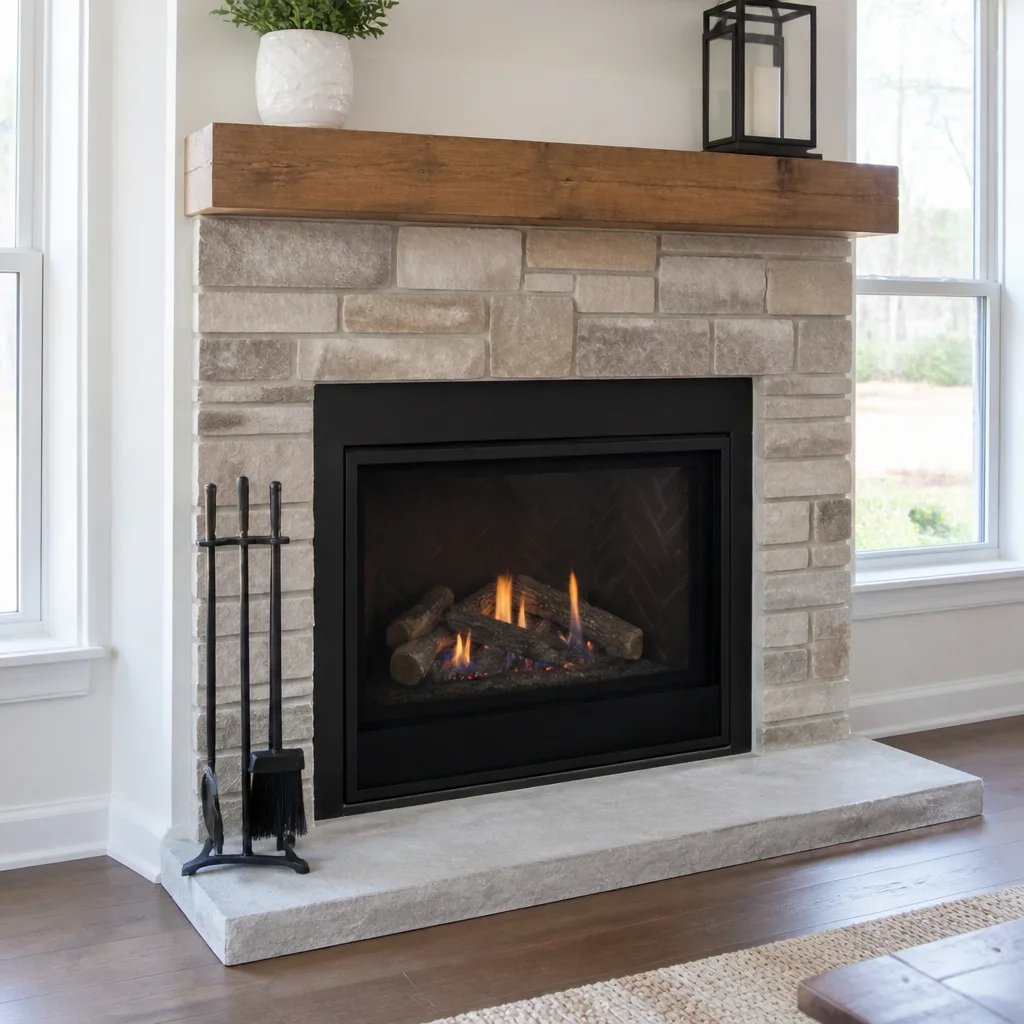 Gas fireplace service
Level 1 sweep and inspection to the NFPA 211 annual standard - flue, crown, cap, and flashing checked and photographed
Chimney sweep logs do not sweep chimneys. They loosen some creosote - which then falls where a brush and vacuum still have to collect it.
Choosing the Right Chimney Cleaning Brand: A Buyer’s Guide for Antioch
If a contractor is relining your chimney and can’t tell you the brand name of the liner system they’re installing, that’s the answer to whether you should hire them. Most homeowners never think to ask. They get a quote, hear “professional-grade materials,” and sign. But in chimney work, the product name is the one question that separates a specialist from a generalist with a ladder. This guide explains which industry brands credentialed Antioch specialists actually use, what each product category does, and how to use brand specificity as a vetting tool before anyone touches your flue.
Quick Answer
Reputable chimney professionals in Antioch use recognized industry brands – DuraFlex for stainless liner systems, HeatShield for flue resurfacing, and Olympia Chimney, Famco, or Copperfield for caps, venting, and fireplace components. When a contractor can name the specific product going into your chimney, you’re dealing with a specialist. When they can’t, you’re likely paying professional rates for generic materials. The brand names are your verification tool, not a marketing slogan.
Styles & brands we work with
- Sweep & inspection
- Caps & crowns
- Flue relining
- Masonry repair
- Gas fireplace service
Table of Contents
- The Brand Landscape: What Professional Chimney Products Actually Are
- The Four Product Categories and What Each One Does
- How to Use Brand Specificity as a Vetting Question
- Professional-Grade Sealants vs. Hardware Store Masonry Products
- Why Liner Brand Matters for Warranty and Future Repairs
- What “Professional-Grade Materials” Should Mean in a Quote
- Antioch Context: Climate, Housing, and What Fails Here
- Common Mistakes to Avoid
The Brand Landscape: What Professional Chimney Products Actually Are
The chimney industry runs on a surprisingly small set of manufacturers. Unlike the general construction world, where materials come from dozens of competing suppliers, chimney work concentrates around a handful of names that credentialed specialists recognize and specify. DuraFlex makes stainless steel liner systems. HeatShield makes a resurfacing product for deteriorating flue liners. Olympia Chimney, Famco, and Copperfield supply caps, venting components, and fireplace accessories. These aren’t consumer brands you’ll find on a shelf at a home improvement store. They’re specified products sold through professional channels.
That concentration is useful to you as a homeowner in Antioch. It means there’s a short, verifiable list of names a legitimate chimney specialist should recognize and be able to discuss. If someone quotes you a liner replacement and can only say “a stainless liner” without a manufacturer, they’re either using a commodity product they don’t want to name, or they don’t know what’s going in your chimney. Neither is a good sign.
We use professional-grade materials because that’s what chimney work requires – the same brands chimney specialists rely on nationwide. DuraFlex for relining. HeatShield for flue resurfacing. Olympia Chimney and Famco for caps and venting. These aren’t upsells. They’re the baseline for work that has to hold up for decades inside a masonry structure exposed to heat, moisture, and creosote.
Our technicians have up to 12 years of experience, and in that time the pattern is consistent: the jobs that fail early are the ones where someone substituted a generic product for a specified brand.
The Four Product Categories and What Each One Does
Chimney materials break into four categories, and each has its own brand landscape. Understanding them separately helps you ask better questions and read a quote more accurately.
1. Liner Systems
The liner is the flue’s inner pipe – the surface that contains combustion gases and creosote. When a clay tile liner cracks or spalls, a stainless liner system goes inside it. DuraFlex is the best-known name here. A liner system includes the pipe, the insulation wrap, the top plate, and the cap connection. The brand matters because the alloy, wall thickness, and joint design determine how long it lasts and whether it carries a manufacturer warranty.
2. Flue Resurfacing
When the liner is deteriorating but not yet ready for replacement, resurfacing can extend its life. HeatShield is the industry standard for this – a manufacturer-backed system applied to the interior flue surface to seal cracks and restore a smooth channel. Not every chimney is a candidate; it depends on the extent of the damage, which is where a proper inspection comes in.
3. Caps and Crowns
The cap sits on top and keeps water, animals, and debris out. The crown is the concrete or masonry surface at the top of the chimney that sheds water away from the flue. Gelco and Famco are the names specialists use for caps and venting components. These are specified products, not retail brands – they’re sized and rated for particular flue configurations.
4. Sealants and Crown Coatings
Masonry sealants and crown coatings protect the exterior from water intrusion. This is where the difference between professional-grade and hardware-store product is most dramatic – and most often exploited.
One call covers it: inspection, cleaning, cap and crown, and repair. You can see our full range of services on the Antioch Chimney Sweep page.
How to Use Brand Specificity as a Vetting Question
The single most useful question you can ask any chimney contractor is this: “What brand of liner system are you installing, and why that one?” Here’s how to interpret the answers.
- A specialist names the product and explains the choice. You’ll hear something like “DuraFlex, because your flue dimensions call for that configuration” or “HeatShield resurfacing first, since the damage doesn’t warrant a full reline.” The answer connects product to your chimney’s specifics.
- A competent generalist names the category but not the brand. You’ll hear “a stainless liner, six-inch, insulated.” That’s not necessarily dishonest, but it means they’re either using commodity product or they’re not specifying. Ask again, more directly.
- A weak contractor deflects. You’ll hear “we use the best materials” or “whatever the job needs.” That’s the answer to whether you should hire them.
- Nobody should be offended by the question. A specialist expects it. If asking for a product name creates friction, that friction is information.
We tell you what we find and what actually needs fixing – and that includes naming the product going into your chimney. A quote without a brand name is a quote with a hole in it.
If you’re at the stage of comparing quotes, our chimney sweep service includes the inspection that tells you whether resurfacing, relining, or nothing at all is the right call.
Professional-Grade Sealants vs. Hardware Store Masonry Products
Walk into any hardware store and you’ll find masonry sealers that claim to waterproof brick and concrete. Some of them are decent products for the right application. The problem is that a chimney isn’t a foundation wall or a patio. It’s a structure that moves with heat, cycles through wet and dry, and holds a flue that reaches high temperatures. Sealants formulated for a chimney’s movement and temperature range behave differently from general-purpose masonry sealers.
Here’s what separates the two in practice:
- Vapor permeability. A chimney has to let moisture escape from inside the masonry. Sealants that trap vapor can cause spalling and freeze-thaw damage over time.
- Flexibility under thermal cycling. A chimney expands and contracts with every fire. Products that cure rigid crack at the bond line.
- Adhesion to the specific substrate. Chimney crowns, brick, and mortar joints each need a different product profile. A single “masonry sealer” isn’t formulated for all three.
- Documented service life. Professional-grade products carry manufacturer data on how long they hold up. Hardware-store products typically don’t, because the answer varies too much.
The reason this matters in Antioch is the same reason it matters anywhere: an exterior coating that fails after a couple of seasons costs more to remove and redo than a professional-grade product costs the first time. Crown and cap work is part of our chimney cap & crown service specifically because the exterior is where water gets in and where cheap products fail fastest.
Why Liner Brand Matters for Warranty and Future Repairs
A liner isn’t just a pipe. It’s a system with a manufacturer behind it, and that manufacturer makes decisions about warranty coverage, installation requirements, and compatible components. When the brand matters:
- Warranty registration. Manufacturers require installation by a qualified installer for warranty coverage to attach. An unbranded liner often means no registration and no recourse if it fails.
- Insurance documentation. If you ever file a claim related to a chimney fire or carbon monoxide event, documented professional installation with a specified product is a cleaner record than “a guy put in a liner.”
- Future repair compatibility. If the liner fails at a joint or the cap needs replacing, matching the original brand means the component fits and the warranty applies. A no-name liner can leave you re-doing the whole thing.
- Inspection readability. A camera inspection inside a branded, smooth liner shows clear evidence of condition. A rough or unknown liner is harder to assess, which makes future decisions harder.
This is that liner system brand question connecting directly to what’s actually inside your chimney, and it’s why we ask which brand is going in before we quote a reline. DuraFlex isn’t the only name in liners, but it’s one we specify because the system documentation is complete and the warranty is real.
What “Professional-Grade Materials” Should Mean in a Quote
“Professional-grade materials” shows up on nearly every chimney quote in Antioch. In some quotes it’s a genuine statement about specified products. In others it’s a phrase covering unspecified choices. How to tell the difference:
- Named products with manufacturer information. The quote names the brand of liner, the brand of cap, the brand of sealant, or the resurfacing system. This is what a specialist’s quote looks like.
- Specified sizes and ratings. The quote includes liner diameter, insulation, and any rating relevant to your appliance. Generalists skip these details.
- A clear distinction between “cleaning only” and “repair.” A quote that mixes sweeping and repair without separating them is harder to evaluate. A good one tells you what the sweep covers and what the repair costs.
- Camera evidence tied to the recommendation. If the quote recommends a repair, it should reference what the inspection camera showed. A recommendation without evidence is guesswork.
- Explicit exclusions. What’s not included matters as much as what is. A quote that’s clear about exclusions is a quote from someone who’s done the work.
We use the phrase “professional-grade materials” on our own quotes, and we back it with specific product names. That’s the standard to hold any chimney contractor to in Antioch.
When a recommendation includes fireplace repair, the same rules apply – the product and the reason should both be named.
Antioch Context: Climate, Housing, and What Fails Here
Antioch’s climate is a factor in which chimney products matter most here. The area sees warm, humid summers and cold winters with enough freezing nights to make freeze-thaw cycling a real concern for masonry crowns and exterior chimney surfaces. That cycling is why crown coatings and masonry sealants deserve the same brand scrutiny as liner systems – they’re the products taking the most seasonal punishment.
Housing stock in Antioch runs across a wide range, from older homes with original masonry fireplaces to newer construction with prefabricated systems. Those two categories don’t need the same products:
- Older masonry chimneys often have clay tile liners that show cracking and spalling with age. Resurfacing with a system like HeatShield can extend the liner’s life when the damage doesn’t warrant full replacement, and stainless relining with a specified brand is the answer when it does.
- Newer prefabricated chimneys use their own manufactured components, and matching the original system is part of proper service. A generalist may not know the difference.
Humidity matters too. A chimney that sits unused through the warm months accumulates moisture in the masonry, and a cap that isn’t sized and installed correctly lets more in. We see crowns in Antioch that have cracked along their bond line because water got in and froze. That’s a product and installation question, not a luck question. If your chimney hasn’t been serviced recently, the same inspection that tells you the liner’s condition also tells you the crown’s.
Protect your home before heating season, not after a problem shows up. A camera inspection and photo report included in our sweep shows you exactly what’s happening inside and outside the flue.
Common Mistakes to Avoid
- Accepting a quote that names products only as “professional-grade.” If no brand, size, or specification appears anywhere on the quote, you have no way to verify what’s being installed. Ask for the brand name and expect it in writing before you book.
- Comparing sweep prices without comparing what’s included. A sweep that includes a camera inspection and photo report is a different service from one that just runs a brush. In Antioch, ask what the inspection covers before you decide the cheaper quote is cheaper.
- Letting a generalist handle liner or crown work. Chimney work is all some companies do, and that’s what you want on a reline or crown rebuild. A handyman with a ladder is the wrong person for a job that involves the flue.
- Assuming a hardware-store masonry sealer is equivalent to professional-grade crown coating. They look similar and behave very differently under thermal cycling. The cheap one often fails first and costs more to redo.
- Booking a liner replacement without asking whether resurfacing would do. Not every deteriorated liner needs replacement. A camera inspection should show you the extent of the damage before the scope gets decided.
- Skipping the cap because the flue “seems fine.” A missing or damaged cap is one of the most common causes of water intrusion and animal entry in Antioch chimneys. It’s also one of the cheapest problems to prevent.
- Scheduling the first sweep of the season after you smell smoke. A chimney that backs up or smells in October usually had a condition in May. Book the inspection before heating season starts, not after it’s already a problem.
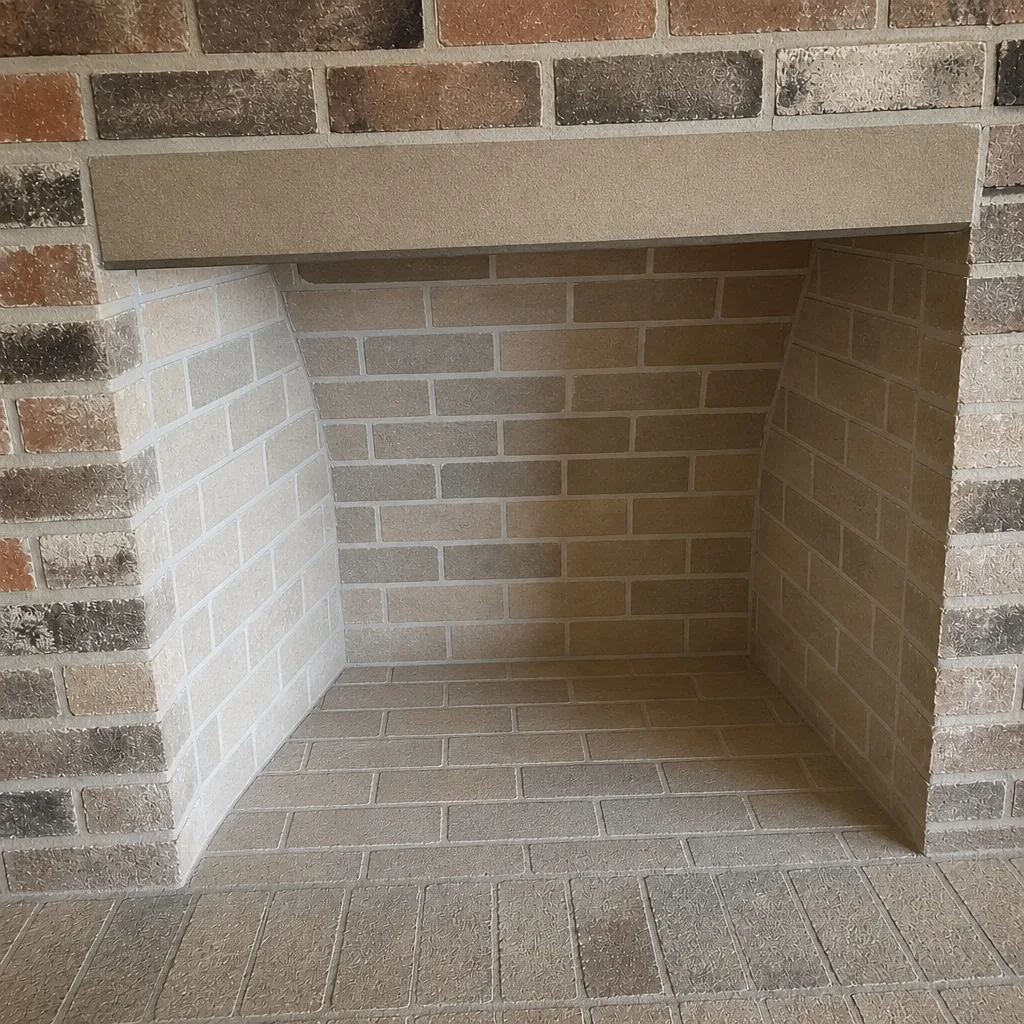
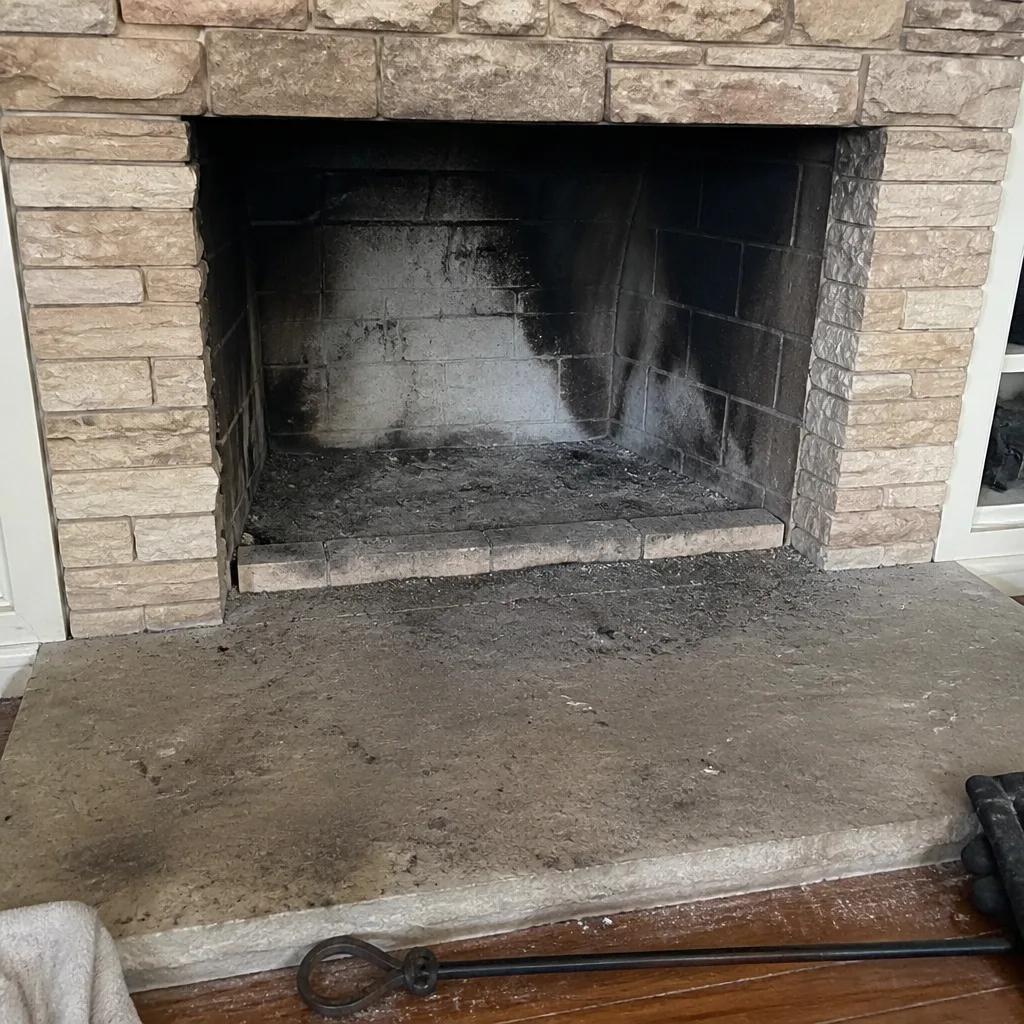
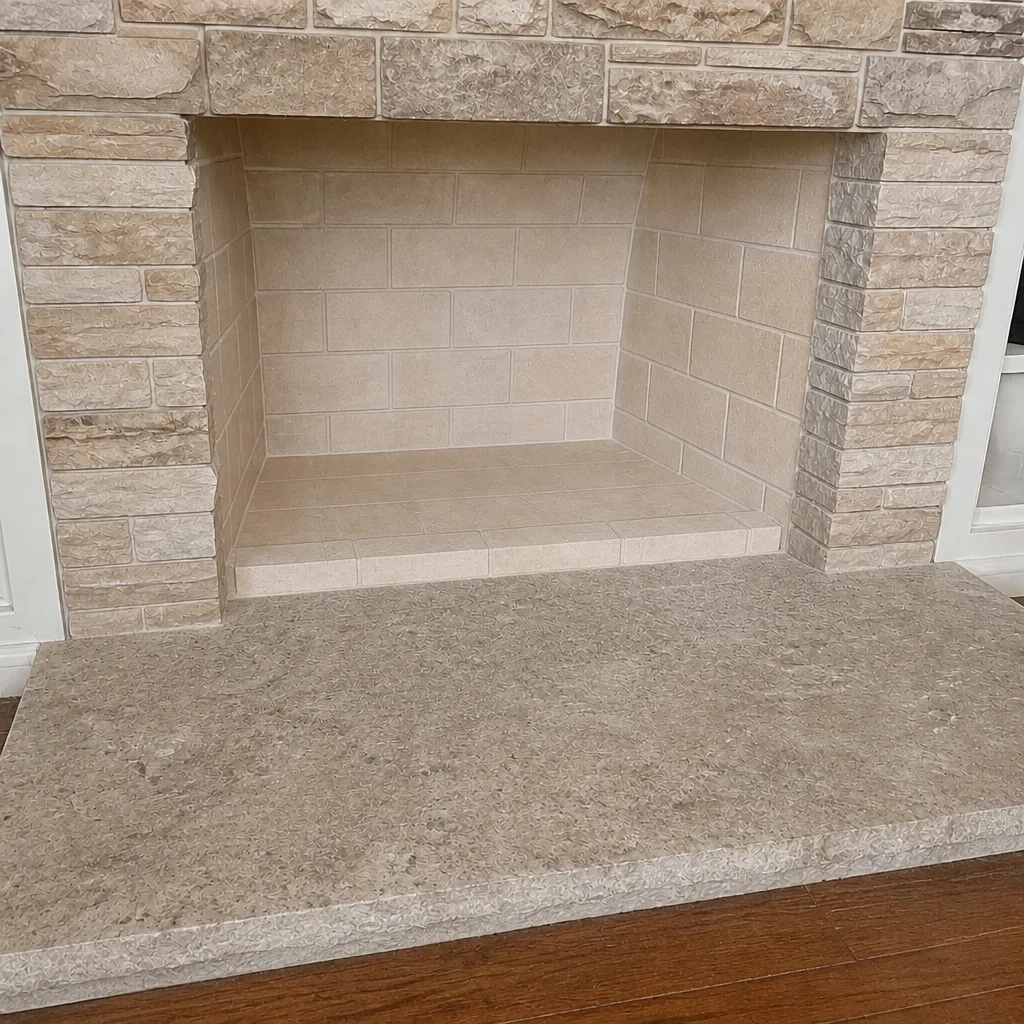
See the difference
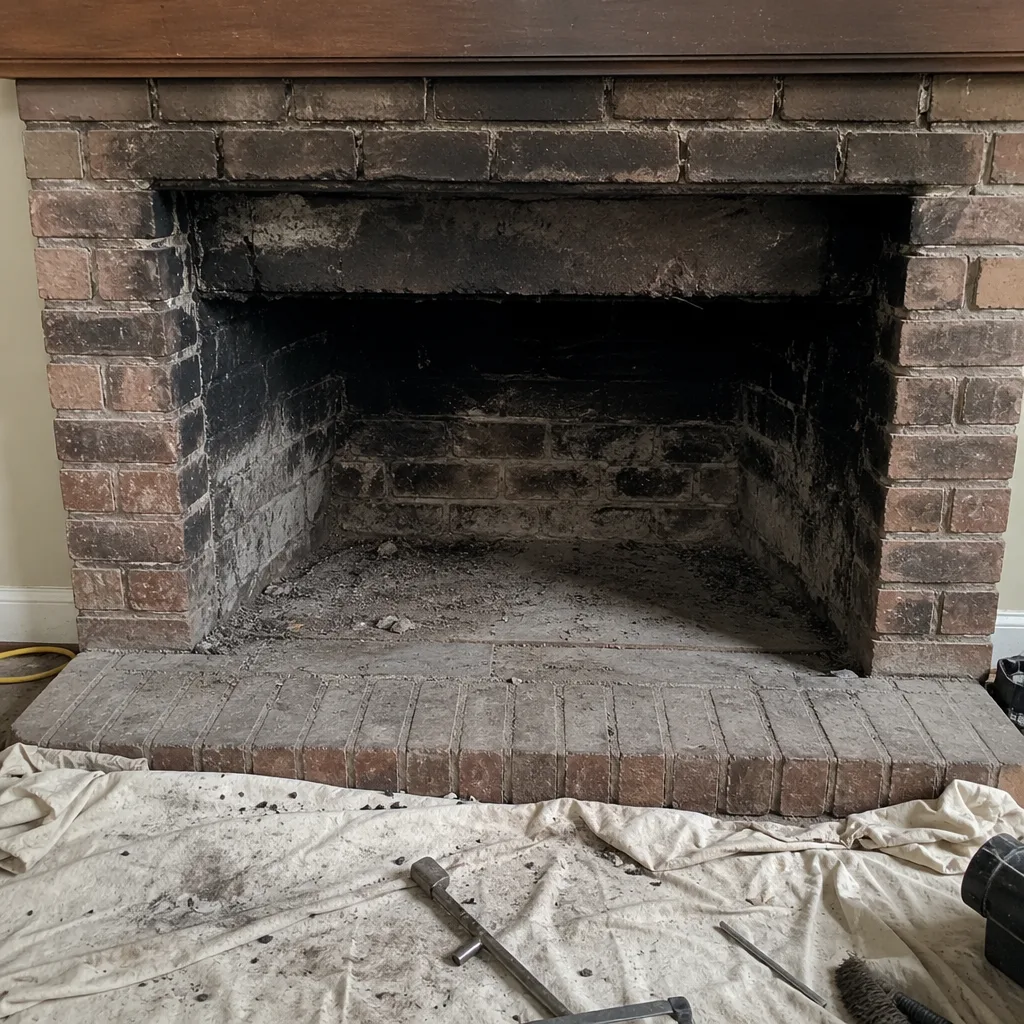 Before
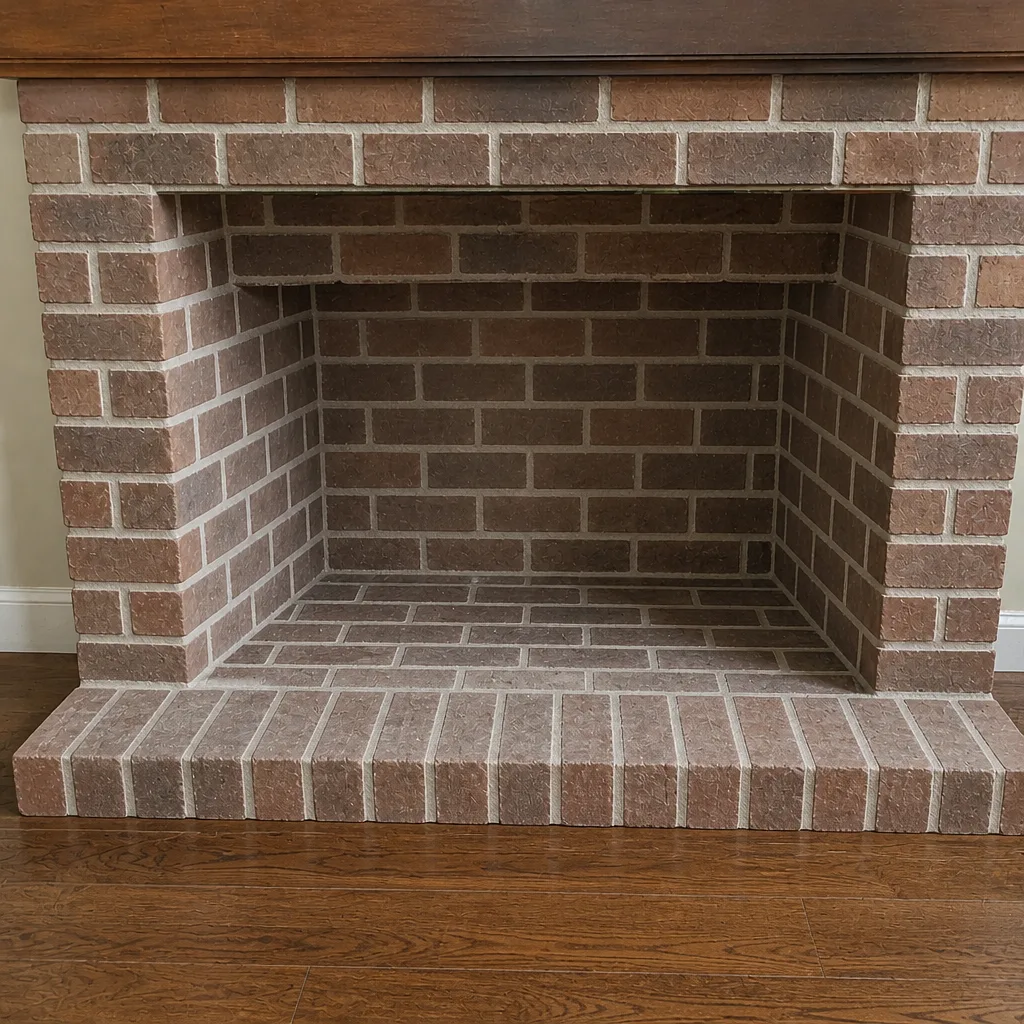 After
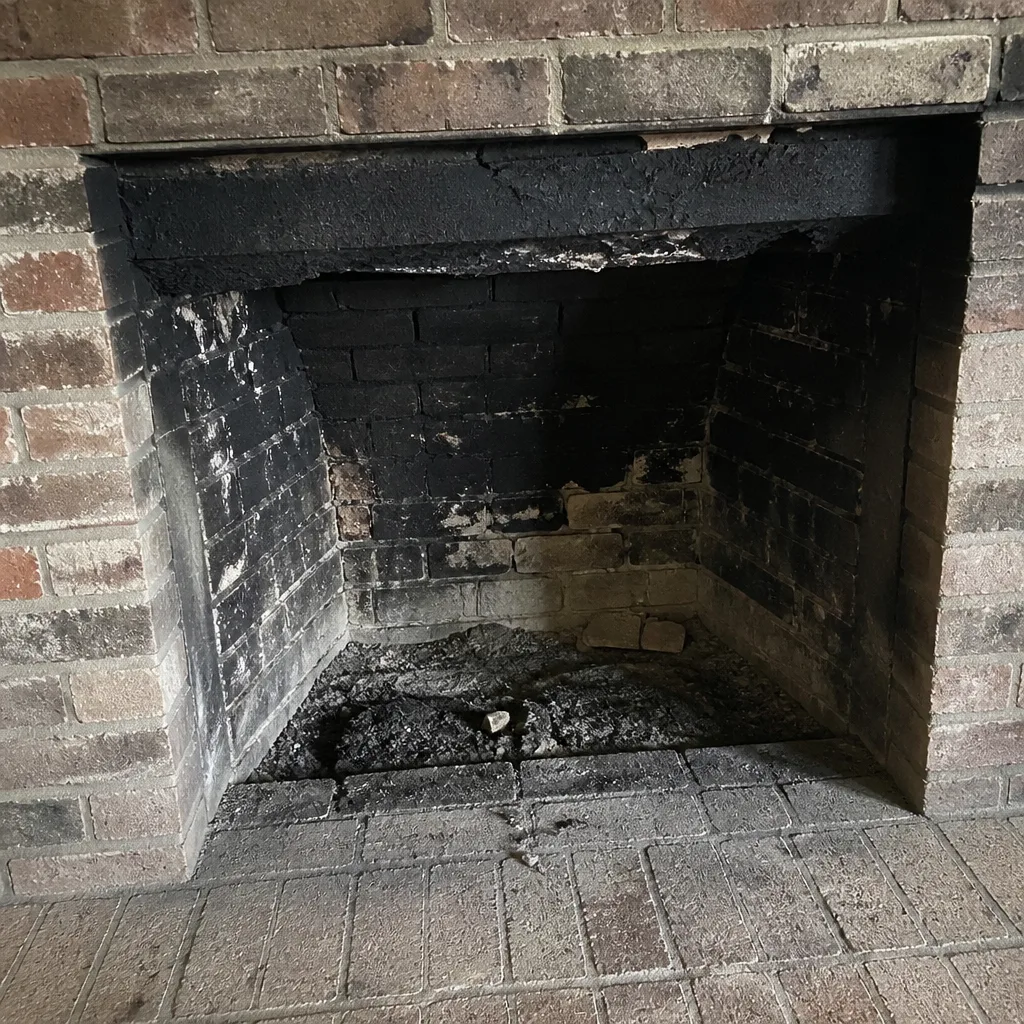 Before
 After
 Before
 After
When to Call a Professional
Some chimney conditions need eyes and a camera, not a guess. Call a professional if you see crumbling mortar or a cracked crown at the top of the chimney, if smoke backs into the room when you light a fire, if you smell a strong creosote odor on warm days, or if it’s been more than a heating season since the last sweep. Call before you buy or sell a home, too – an inspection with a photo report gives you documentation. And call if anyone has offered to reline your chimney without showing you the camera footage that justifies it.
Chimney safety isn’t a scare tactic. Creosote buildup is the fuel for chimney fires, and a blocked or damaged flue can let carbon monoxide back into the house. Those are real risks, and they’re why a professional inspection is worth more than a brush and a flashlight. Anything involving the flue interior, the crown, or the liner is a trained-professional job – we don’t recommend anyone handle those components themselves.
Antioch Chimney Sweep offers free estimates in Antioch – call (844) 625-6985. We answer 24/7. Fast dispatch from 7am to 7pm, Sunday through Friday.
Frequently Asked Questions
The names you’ll see on a specialist’s quote include DuraFlex for stainless liner systems, HeatShield for flue resurfacing, and Olympia Chimney, Famco, or Copperfield for caps, venting, and fireplace components. What matters isn’t the specific brand so much as whether the contractor can name it and explain why it fits your chimney. A quote without a product name is a quote you can’t verify. Call (844) 625-6985 for an exact quote – estimates are free.
It depends on the extent of the damage, and the only way to know is a camera inspection of the flue interior. Resurfacing with a system like HeatShield can extend the life of a deteriorating liner when the damage is limited. A liner with significant cracking or spalling typically warrants replacement with a stainless system. We don’t recommend either without showing you the footage. Call (844) 625-6985 and we’ll book an inspection.
Usually not. Chimney crowns expand and contract with heat and need a coating formulated for that movement and for vapor permeability. General-purpose masonry sealers often cure too rigid or trap moisture, which can lead to spalling. Professional-grade crown coatings cost more up front and last longer. It’s a product question worth asking about before any crown work is done.
It should mean specified products with a manufacturer behind them – a named liner system, a named cap, a named resurfacing product. When the phrase appears without any brand names, it’s often covering unspecified choices. Ask which products will be installed, in writing, before you book.
Yes, in the sense that documented professional installation with a specified product gives you a cleaner record if a chimney-related claim ever comes up. An unbranded liner with no installation documentation is harder to substantiate. The brand itself isn’t the insurance requirement – the documentation is, and specified products are how you get it.
Not always. Some chimneys that look bad from the outside only need cleaning and a cap. Others have liner damage that resurfacing can address. Some do need a full reline – and that’s a decision that should be based on camera evidence you can see for yourself, not a salesperson’s recommendation. If the footage doesn’t support the recommendation, the work can safely wait. Call (844) 625-6985 for an inspection before you commit to anything.
The Bottom Line
Brand names in chimney work aren’t a loyalty exercise – they’re a verification tool. When a contractor in Antioch can name the liner system, the resurfacing product, and the cap they’re installing, you have something to check and someone accountable. When they can’t, you don’t. The four product categories (liners, resurfacing, caps and crowns, sealants) are where the difference between professional-grade and hardware-store shows up, and they’re the right questions to ask on every quote. Our technicians have up to 12 years of experience with these systems, and we name what goes into your chimney. Chimney work is all we do, so we do it right.
Ready to verify your chimney? Call Antioch Chimney Sweep at (844) 625-6985 for a free estimate. We answer 24/7. Fast dispatch from 7am to 7pm, Sunday through Friday. We’re closed Saturday. A call outside dispatch hours is booked into the next opening, Sunday through Friday, 7am to 7pm.
Written by the team at Antioch Chimney Sweep.