
Last updated November 24, 2026
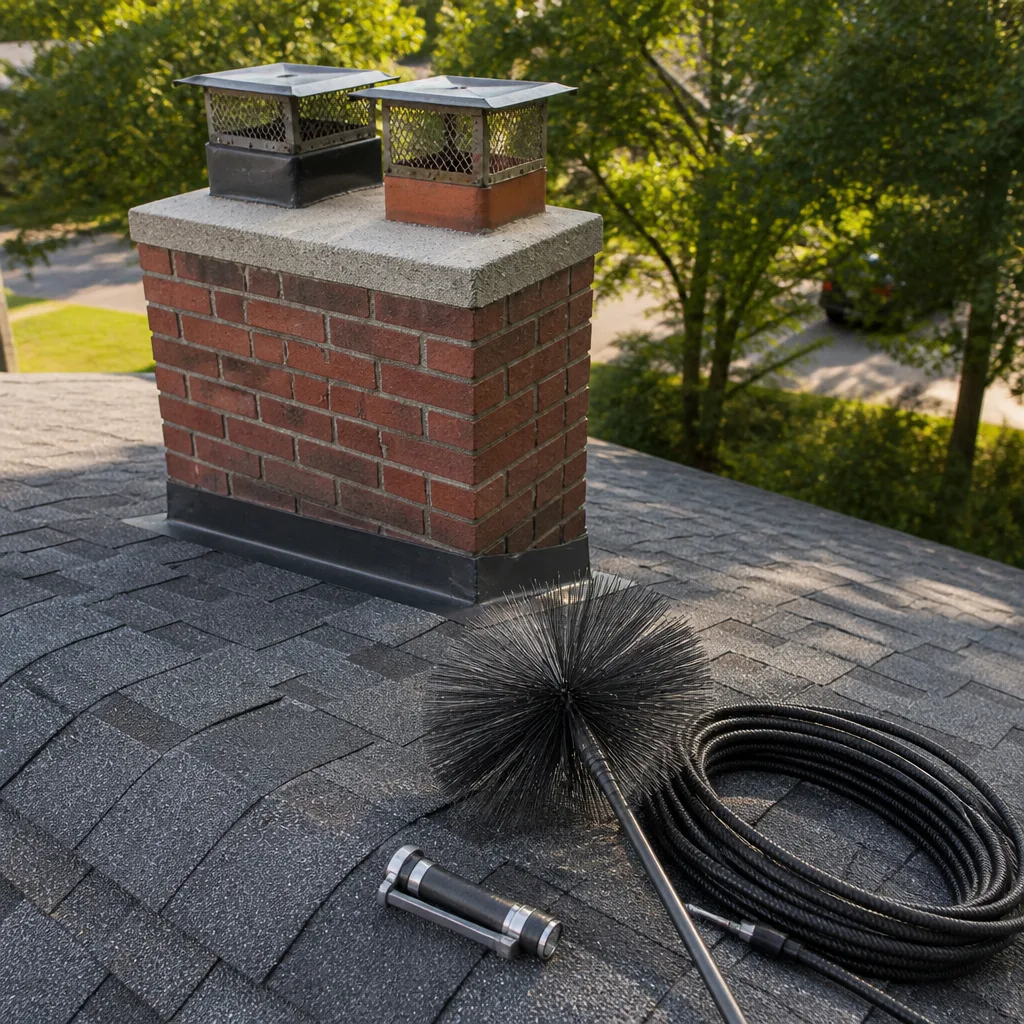 Sweep & inspection
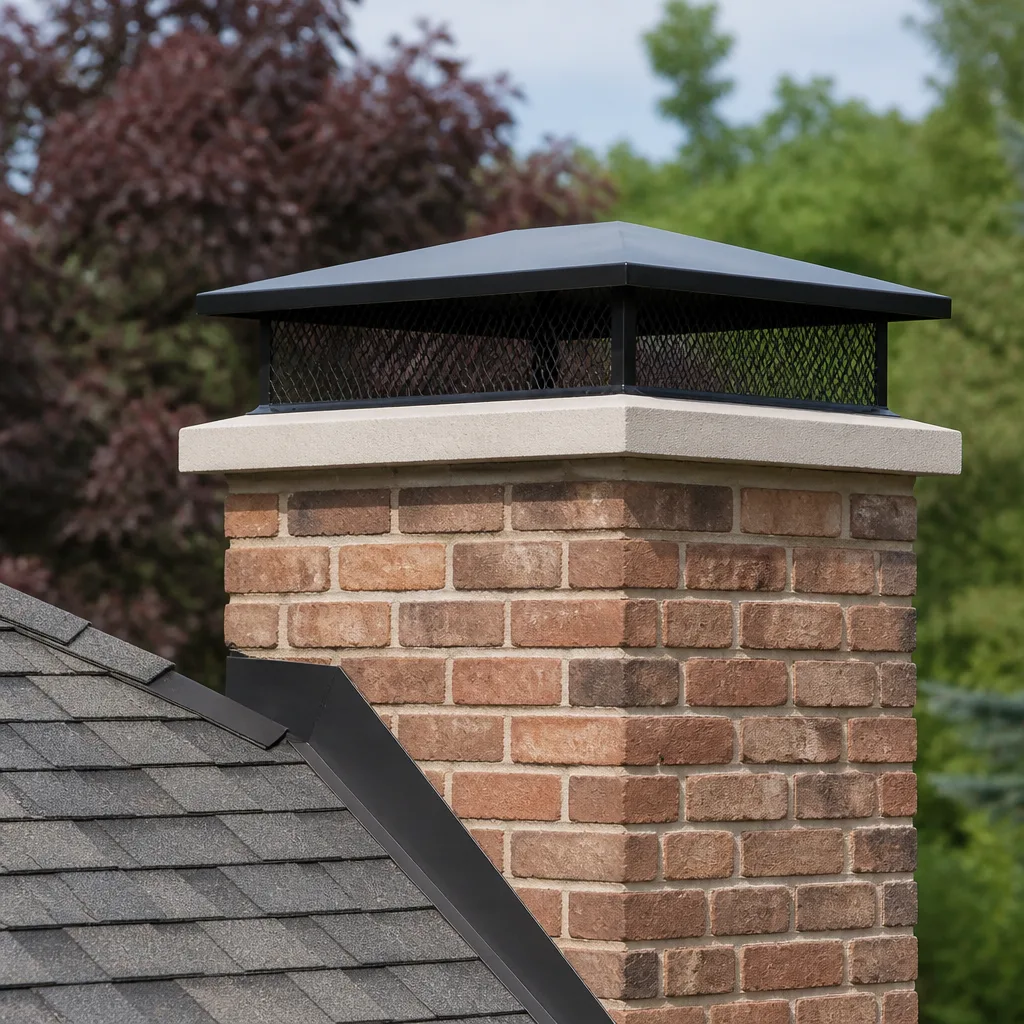 Caps & crowns
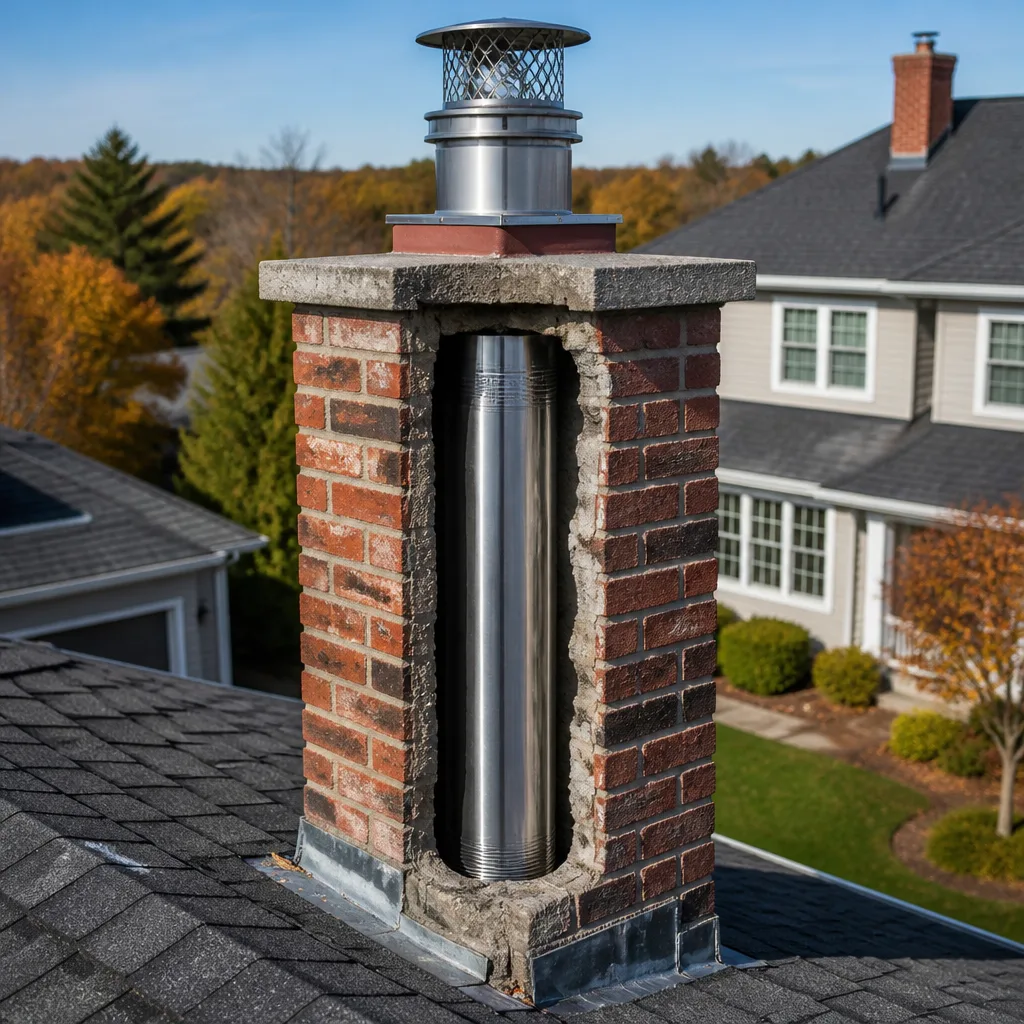 Flue relining
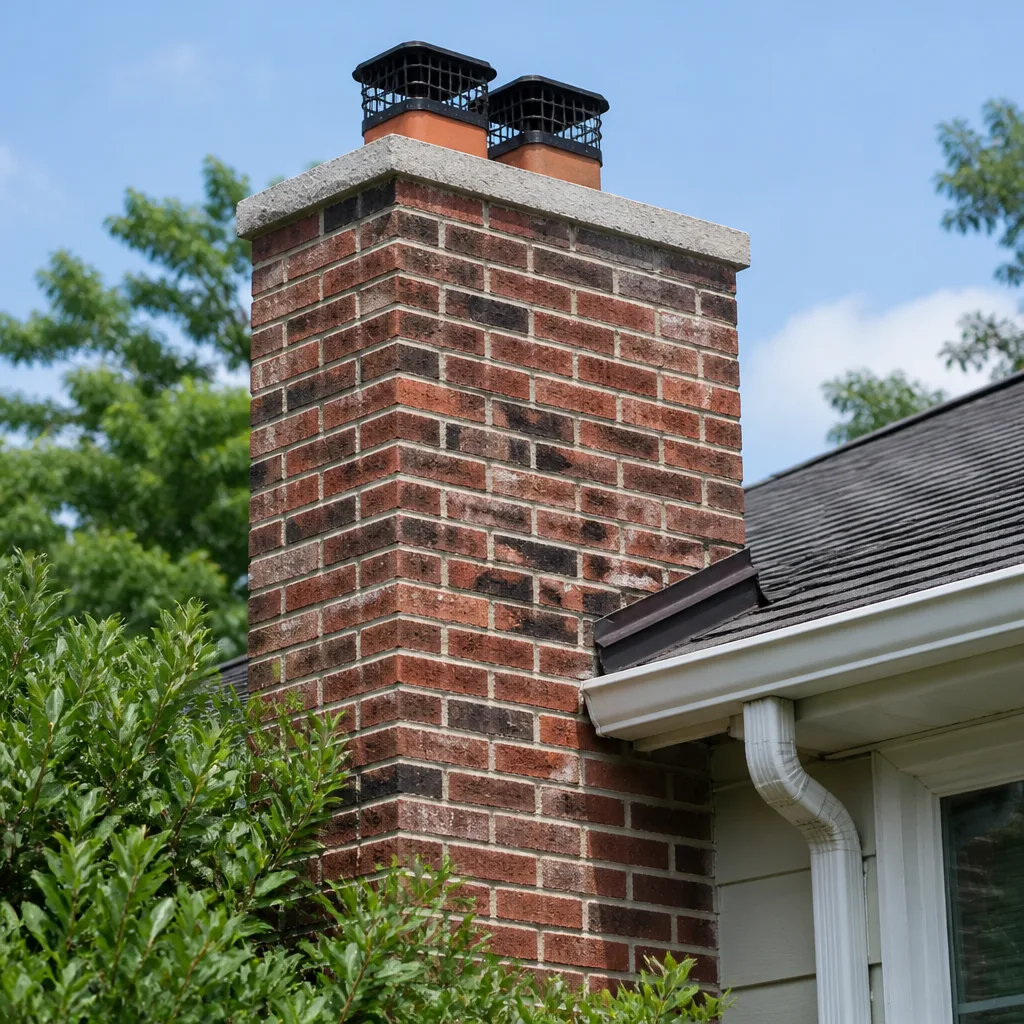 Masonry repair
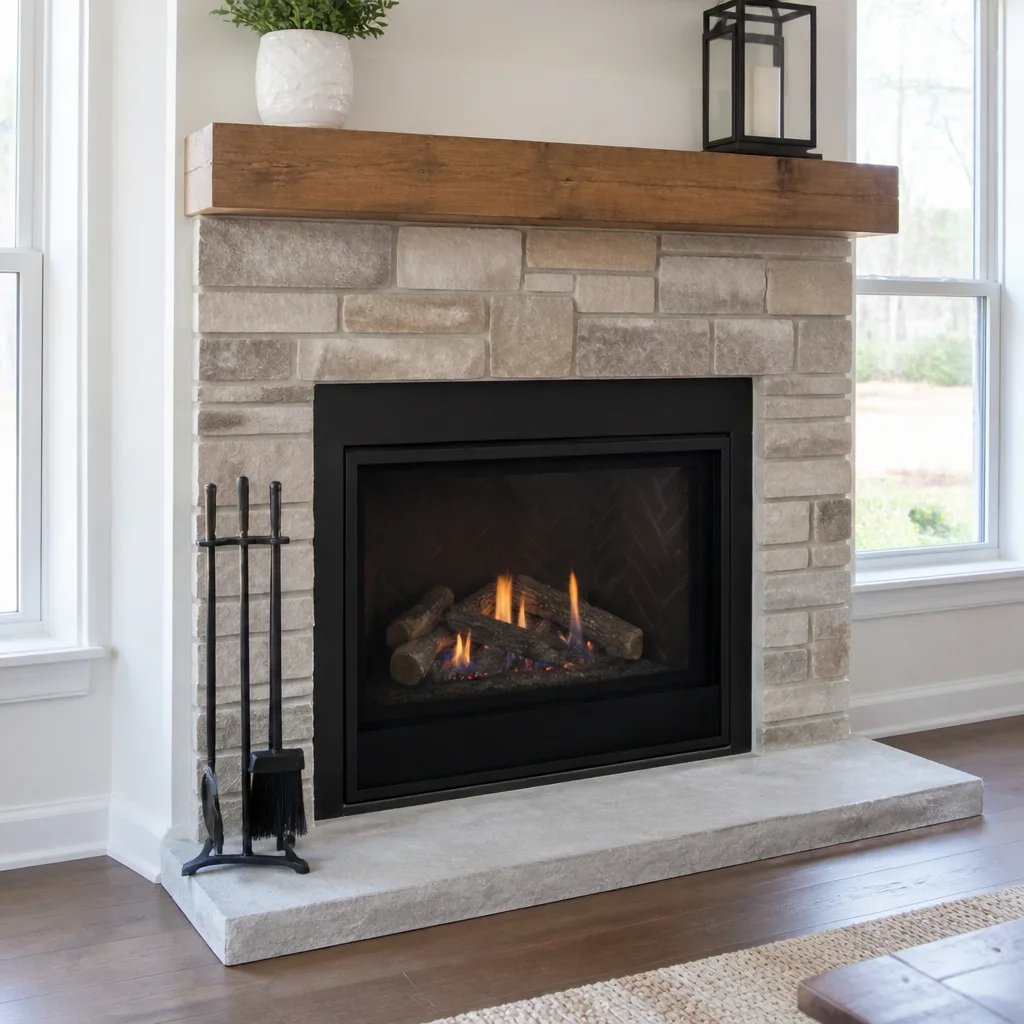 Gas fireplace service
Level 1 sweep and inspection to the NFPA 211 annual standard - flue, crown, cap, and flashing checked and photographed
Chimney sweep logs do not sweep chimneys. They loosen some creosote - which then falls where a brush and vacuum still have to collect it.
The Complete Guide to Chimney Cleaning in Antioch
Most chimney fires don’t start during a roaring December blaze. They ignite in October, the first time a neglected flue hits high heat after sitting humid and dirty all summer. Here in Antioch, that pattern is common. Middle Tennessee’s long, sticky summers give creosote time to harden and moisture time to work on older masonry, so by the time you light the first fire of the season, the flue is in worse shape than it was last spring. This guide explains what a proper cleaning actually involves, how Antioch’s climate and housing shape the work, and what to look for before you book. By the end you’ll know exactly what you’re paying for and why.
Quick Answer
A proper chimney cleaning in Antioch is more than a flue brushing. It’s a full inspection and cleaning that runs from the cap and crown down through the firebox, and it should include a documented look at creosote condition, moisture damage, and any gaps or cracks in the liner and masonry. Most wood-burning chimneys in Antioch need cleaning roughly once a year or whenever creosote builds to about an eighth of an inch, whichever comes first.
Styles & brands we work with
- Sweep & inspection
- Caps & crowns
- Flue relining
- Masonry repair
- Gas fireplace service
Table of Contents
- Why Chimney Cleaning Matters More in Antioch’s Climate
- The Three Levels of Chimney Inspection
- Creosote and Mixed Hardwood: What Middle Tennessee Burning Does to Your Flue
- What a Professional Cleaning Visit Actually Looks Like
- Full-Service Specialist vs. a Basic Sweep Truck
- How Often Should You Schedule Cleaning?
- What Homeowners Can Check (and What to Leave Alone)
- What Chimney Cleaning Costs in Antioch
Why Chimney Cleaning Matters More in Antioch’s Climate
Antioch sits in a part of Tennessee where summers are hot and humid and the air holds moisture well into the fall. That matters for a chimney because a flue that stays damp for months is a flue where creosote cures differently. Instead of staying soft and relatively easy to remove, the deposits glaze and harden. By October, a chimney that “wasn’t that bad last spring” can have a stubborn layer of glazed creosote that a quick brush pass won’t touch.
Moisture does other damage too. Brick and mortar are porous. When a chimney cap is missing or a crown is cracked, rain and summer humidity get into the masonry, and the freeze-thaw cycles of a Middle Tennessee winter can open those cracks further. We’ve seen plenty of Antioch chimneys where the real problem wasn’t the soot at all. It was water getting in from above and slowly working its way down through the smoke chamber and flue.
Older housing stock across Antioch matters here as well. Many homes were built with masonry chimneys that have gone decades without a documented inspection. Some of those flues were lined to standards that have since tightened. A cleaning visit is the only reliable way to find out what condition the liner is really in before you rely on it for another heating season.
This is why our Antioch Chimney Sweep approach starts with looking, not brushing. Cleaning without diagnosing means you fix the soot and miss the water.
The Three Levels of Chimney Inspection
Not every inspection is the same. The chimney industry recognizes three levels, and knowing which one applies to your situation tells you what’s actually being checked. Most Antioch homeowners need a Level 2 after a typical off-season, but let’s break down all three.
- Level 1 – Basic visual inspection. This covers readily accessible parts of the chimney with no tools that require dismantling anything. It’s appropriate when conditions haven’t changed and you just need a routine check alongside cleaning. It’s the fastest and least invasive.
- Level 2 – Expanded inspection. This includes everything in Level 1 plus accessible areas of the attic, crawlspace, and any parts of the chimney that can be reached without destructive measures. Video scanning may be used to see inside the flue. A Level 2 is what you want after a chimney fire, after a major storm, when you change fuel types, when buying or selling a home, or when there’s been a long gap since the last inspection.
- Level 3 – Diagnostic inspection. This is reserved for when a serious hazard is suspected and access requires removing parts of the chimney or adjacent structure. It’s the most involved and typically follows a known event or a Level 2 that flagged a serious concern.
After a typical Antioch off-season, most homeowners are best served by a Level 2, especially if the chimney sat unused through humid months, the home changed hands, or no one can remember the last documented inspection. If you’re preparing for heating season, start with a chimney sweep that includes a proper inspection so you know what you’re working with.
Creosote and Mixed Hardwood: What Middle Tennessee Burning Does to Your Flue
Creosote is the byproduct of incomplete combustion. It forms in three general grades, and the grade that builds up in your flue depends heavily on what you burn and how you burn it. Here in Middle Tennessee, a lot of homeowners burn mixed hardwood because it’s what’s readily available: oak, hickory, ash, maple, sometimes softer woods mixed in. That mix produces a different creosote profile than burning pure oak or pure pine would.
Pure hardwoods burned hot and dry produce drier, flakier deposits that respond well to brushing. Softer woods and higher-moisture wood produce wetter, stickier creosote that cures harder. When a homeowner burns whatever’s in the woodpile and the moisture content varies, the flue ends up with a layered mix of both. That layered creosote is exactly where a simple brush-and-vacuum pass runs into trouble.
The three grades, for reference:
- First-degree creosote: soft, flaky, dusty, and easy to brush away.
- Second-degree creosote: harder, crusty, often tar-like; it can be removed with the right tools but resists casual brushing.
- Third-degree creosote: glazed, hardened, and baked onto the flue; a fire hazard that may require chemical treatment or, in severe cases, relining.
During Antioch’s humid summers, even first-degree creosote can settle and harden into something closer to second-degree before the season starts. That’s why “we didn’t burn much last year” doesn’t always mean the flue is clean. If your flue has glazed deposits that brushing won’t remove, resurfacing with HeatShield can restore a deteriorating liner. Our technicians have up to 12 years of experience reading exactly these conditions.
What a Professional Cleaning Visit Actually Looks Like
Knowing the sequence of a cleaning visit turns a mysterious appointment into a predictable one. Here’s the order a proper cleaning should follow, from the top of the chimney down to the firebox.
- Cap and crown inspection. Before anyone touches a brush, the technician checks the chimney cap and crown. Rusted caps, cracked crowns, or missing spark screens are common finds in Antioch, and they explain a lot of the moisture problems inside the flue.
- Flue scan and creosote assessment. The technician looks down the flue, often with a camera, and notes the creosote grade, any cracks, gaps, or missing mortar, and whether the liner is intact.
- Damper and smoke chamber check. The damper needs to open fully and close cleanly. The smoke chamber above it is often where heavy soot collects and where a rushed sweep leaves a mess.
- Firebox inspection. The technician looks for cracked firebrick, eroded mortar joints, and failed refractory panels.
- Controlled cleaning with drop cloths and vacuum. Sheets go down, a high-efficiency vacuum runs, and the flue gets cleaned with the right brushes for the creosote grade. No soot drifting through the living room.
- Documentation and photos. A full-service specialist photographs what they find. You should be able to see the cap, the crown, the flue condition, and the firebox yourself before anyone recommends work.
- Cap and crown service if needed. If the cap is rusted or missing, or the crown is cracked, replacing them is what stops the moisture cycle that caused the problems in the first place.
If the visit ends with any recommendation, you should get a clear explanation of why and what happens if you wait. When repairs are worth doing, our chimney cap & crown work uses components from brands like Gelco and Famco, the kind of materials chimney professionals specify rather than consumer retail parts.
Full-Service Specialist vs. a Basic Sweep Truck
The difference between a full-service chimney specialist and a basic sweep truck usually shows up in what gets found. A truck that only sweeps the flue and leaves does exactly that. It may do it well, but it can’t diagnose structural problems, replace a failing cap, or evaluate a liner. And if something does turn up, you’re left to find another company to handle it.
Here’s what a full-service specialist documents that a basic sweep typically doesn’t:
- Cap condition and fit: rust, missing screens, improper size, animal entry points.
- Crown integrity: cracks, spalling, and separation from the flue tile.
- Liner condition: gaps, cracks, deteriorated joints, and whether the liner matches the appliance.
- Smoke chamber and damper operation: back-drafting causes and soot accumulation in hard-to-reach areas.
- Firebox condition: firebrick, mortar joints, and refractory panel integrity.
- Overall structural soundness: masonry cracks, staining, and efflorescence patterns that point to water intrusion.
Those last two are where the Antioch conditions bite hardest. A cracked crown and a rusted cap let water in during summer storms. A sweep truck might brush the flue and never look closely at either. We work with Olympia Chimney components and other professional-grade brands so that if the visit does turn up something, it’s handled in one visit rather than handed off to a subcontractor. Fireplace repair is another example: many sweeps can’t touch the firebox, which is where a lot of the real wear-and-tear hides.
How Often Should You Schedule Cleaning?
The short answer: roughly once a year if you burn regularly, or whenever creosote builds to about an eighth of an inch, whichever comes first. The longer answer depends on use, wood quality, and how much of the year the chimney sits idle. Here’s a practical way to think about it in an Antioch context.
- Weekly fires through heating season: annual cleaning is the baseline. Don’t skip it.
- Weekend fires and occasional use: still annually, because creosote accumulates even with light use and the humid off-season will settle it.
- Gas fireplaces: venting and appliance inspection annually, even though there’s no creosote in the traditional sense. Venting problems show up on gas setups too.
- After any chimney fire: immediate Level 2 inspection regardless of how recently the chimney was cleaned.
- Homes you just bought: schedule a Level 2 before you burn the first fire. You have no reliable history from the previous owner.
- Any odd behavior: smoky backup, draft issues, or smells when the fireplace isn’t in use are all reasons to call before the season starts.
In practice, the best time to schedule around Antioch is late summer or early fall, before heating season begins. Nearly every chimney fire we hear about happens early in the season on a flue that wasn’t checked. Booking before the first cold snap means you’re not competing with everyone else who waited.
What Homeowners Can Check (and What to Leave Alone)
There’s useful checking a homeowner can do between professional visits, and there’s work that belongs to a trained professional. Knowing the line keeps you safe. Chimney work involves height, fire risk, and combustion byproducts, including carbon monoxide. Some of this is genuinely dangerous.
What you can reasonably check:
- That the chimney cap is present, secure, and not rusted through.
- That the crown (the concrete top) has no visible cracks from the ground with binoculars.
- That the firebox has no obvious damaged firebrick or loose mortar.
- That the damper opens and closes freely.
- That there’s no smoke backing into the room when a fire is lit.
- That you have working carbon monoxide alarms on every level of the home.
What to leave to a professional: getting on the roof, brushing the flue, inspecting or repairing the liner, working on the smoke chamber or damper assembly, replacing a cap or crown, and any repair to masonry or firebox materials. A fall from a roof, a flue obstruction dislodged without control, or a poorly fitted liner are all serious hazards. Please don’t try to handle these yourself. A trained technician has the equipment, the height safety gear, and the experience to do it correctly.
What Chimney Cleaning Costs in Antioch
Chimney cleaning is priced per job by written estimate. The written estimate sets the final price, and the estimate itself is free. That said, homeowners want to know the shape of typical costs before they call, so here’s how to think about what drives the number.
- Routine cleaning and Level 1 inspection: baseline service. The price reflects the size of the chimney, the creosote grade, and any access complications.
- Level 2 inspection with video scan: higher than a basic sweep because of the time and equipment involved.
- Cap and crown repair or replacement: priced separately, and often the highest-priority add-on if either is compromised.
- Liner repair or resurfacing: priced per foot and per condition, following inspection. HeatShield resurfacing is a manufacturer-backed system designed to extend the life of a deteriorating flue, and the estimate reflects the actual scope.
- Fireplace repair: firebox masonry, panels, and damper work are quoted after diagnosis, not before.
We tell you what we find and what actually needs fixing. When something can safely wait, we’ll say so. Nothing gets recommended without camera evidence you can see for yourself. That’s the standard for every visit.
Common Mistakes to Avoid
- Skipping cleaning because you “barely burned last year.” Antioch’s humid summers harden creosote whether you burned heavily or not. The off-season does half the damage on its own.
- Burning unseasoned wood to save on cost. Wet wood produces more creosote and more of the sticky second-degree variety. Seasoned hardwood saves you a bigger problem later.
- Putting off a cap repair until “next year.” A missing or rusted cap is often the entry point for the water damage that causes real structural costs. Fixing it early is far cheaper than fixing the crown and flue it waterlogged.
- Assuming a sweep is a full inspection. A flue brushing doesn’t check the crown, cap, smoke chamber, or firebox. Ask what’s actually included before you book.
- Burning trash, wrapping paper, or scrap lumber. All of these leave unusual deposits and increase creosote buildup. Stick to seasoned firewood.
- Ignoring a smoky fireplace. Smoke backing into the room often signals a drafting or damper problem. It’s not a “wait and see” symptom.
- Never having a Level 2 done after a chimney fire. A crack can be invisible from the flue opening but obvious on camera. Burning again without that inspection is a real risk.
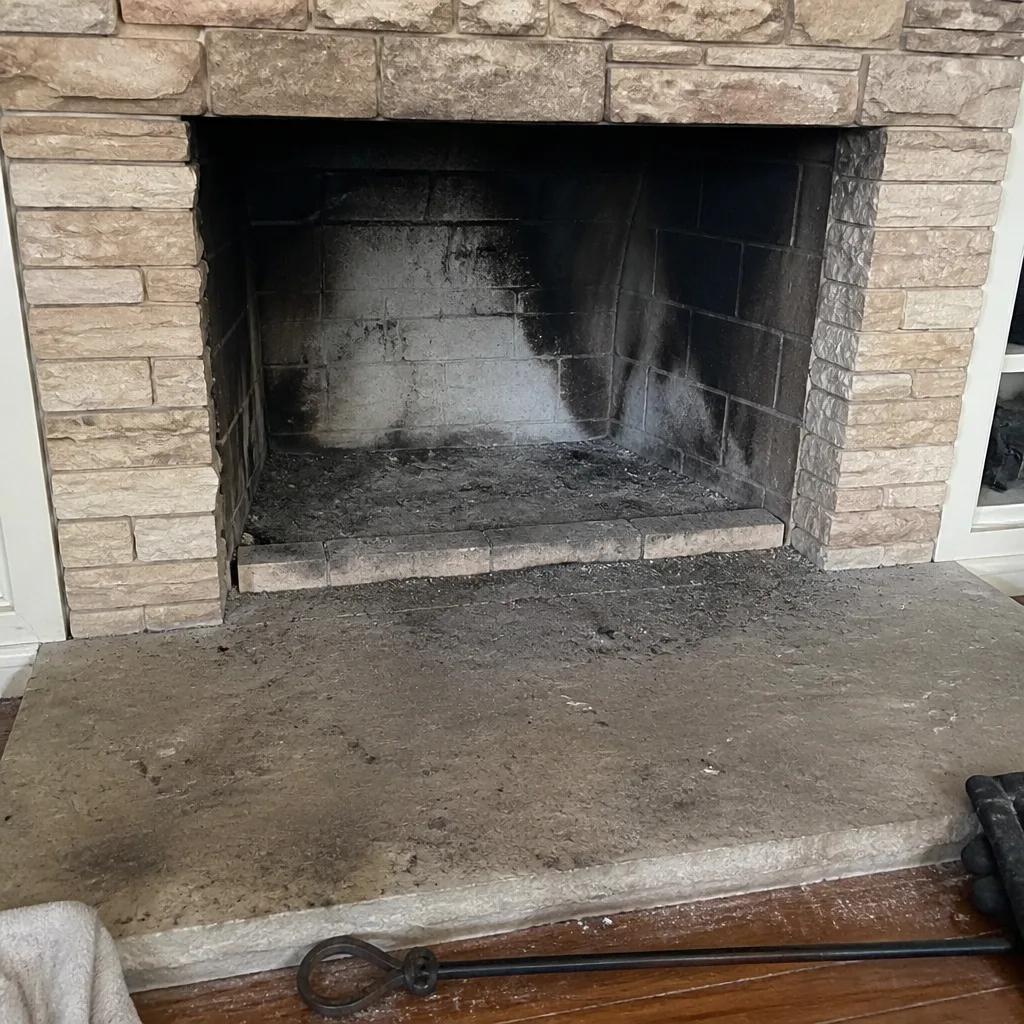
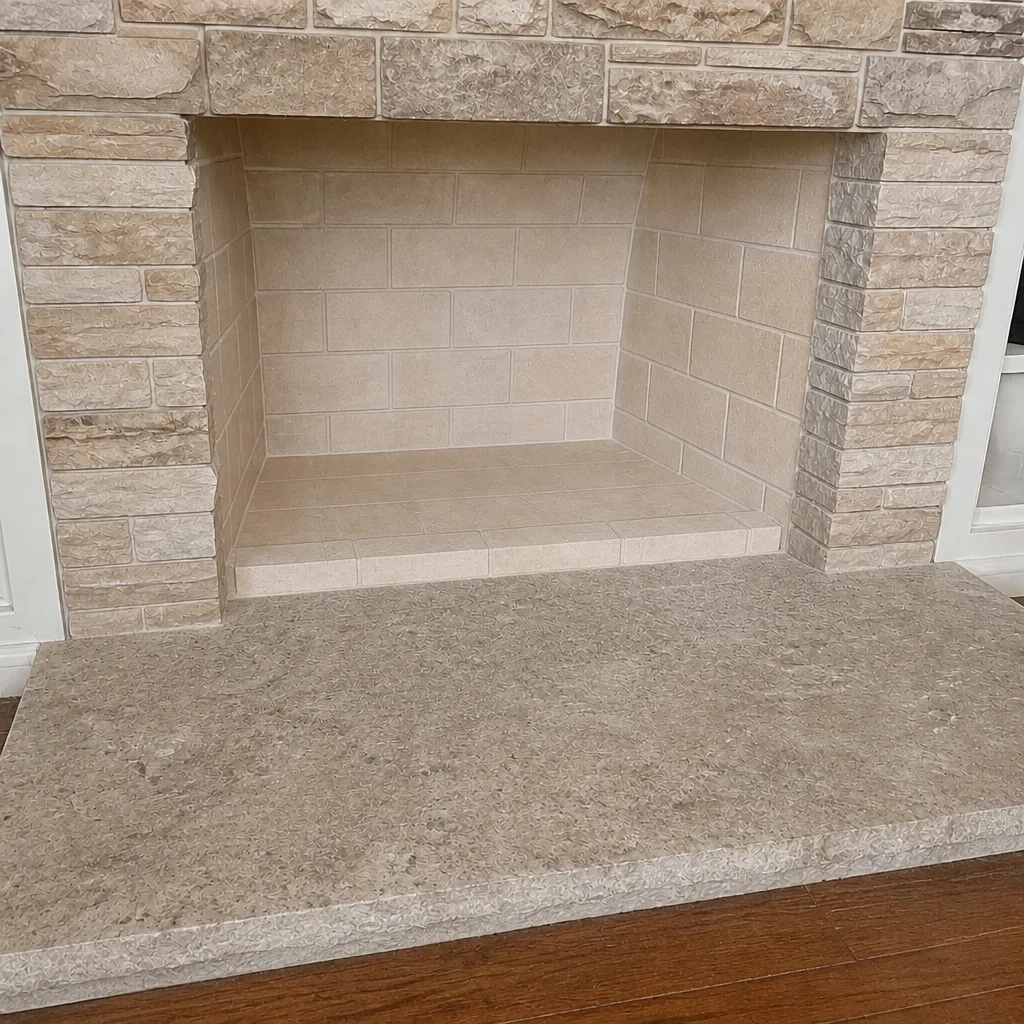
See the difference
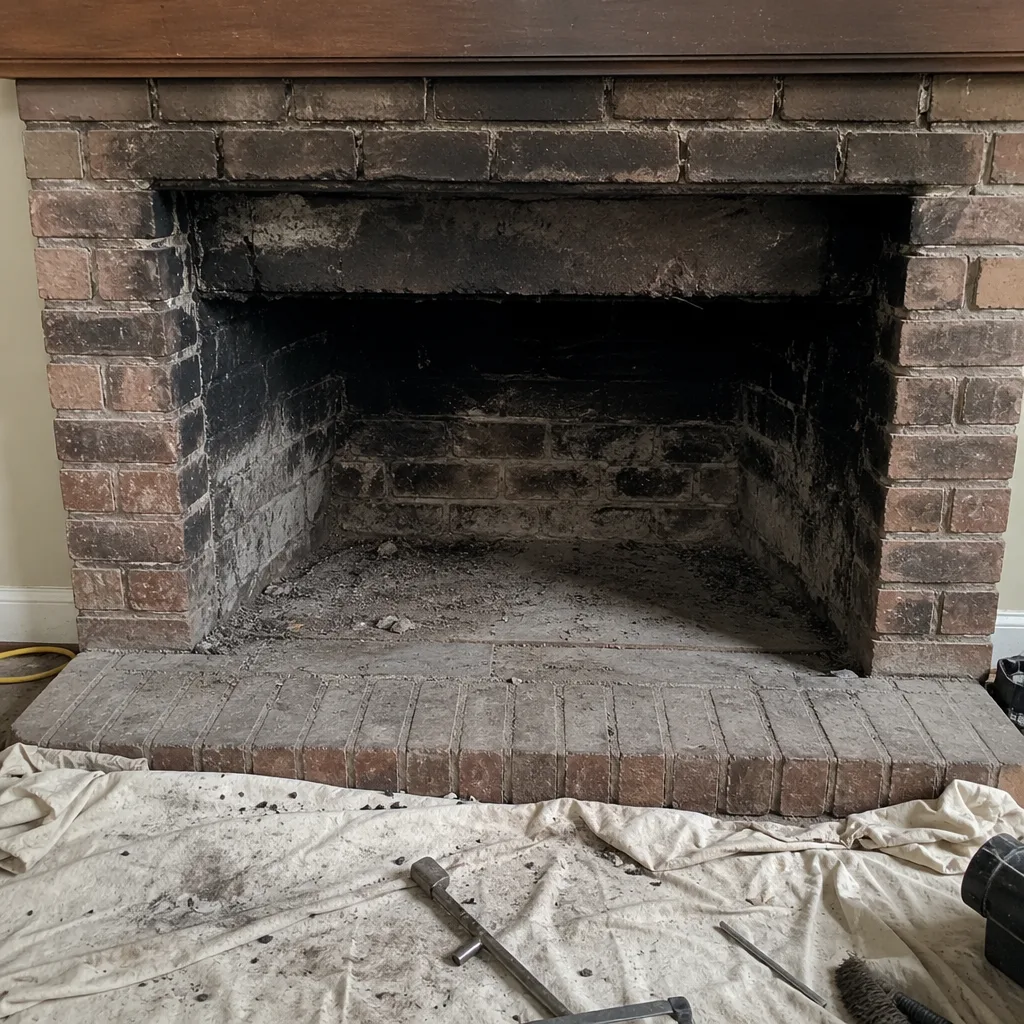 Before
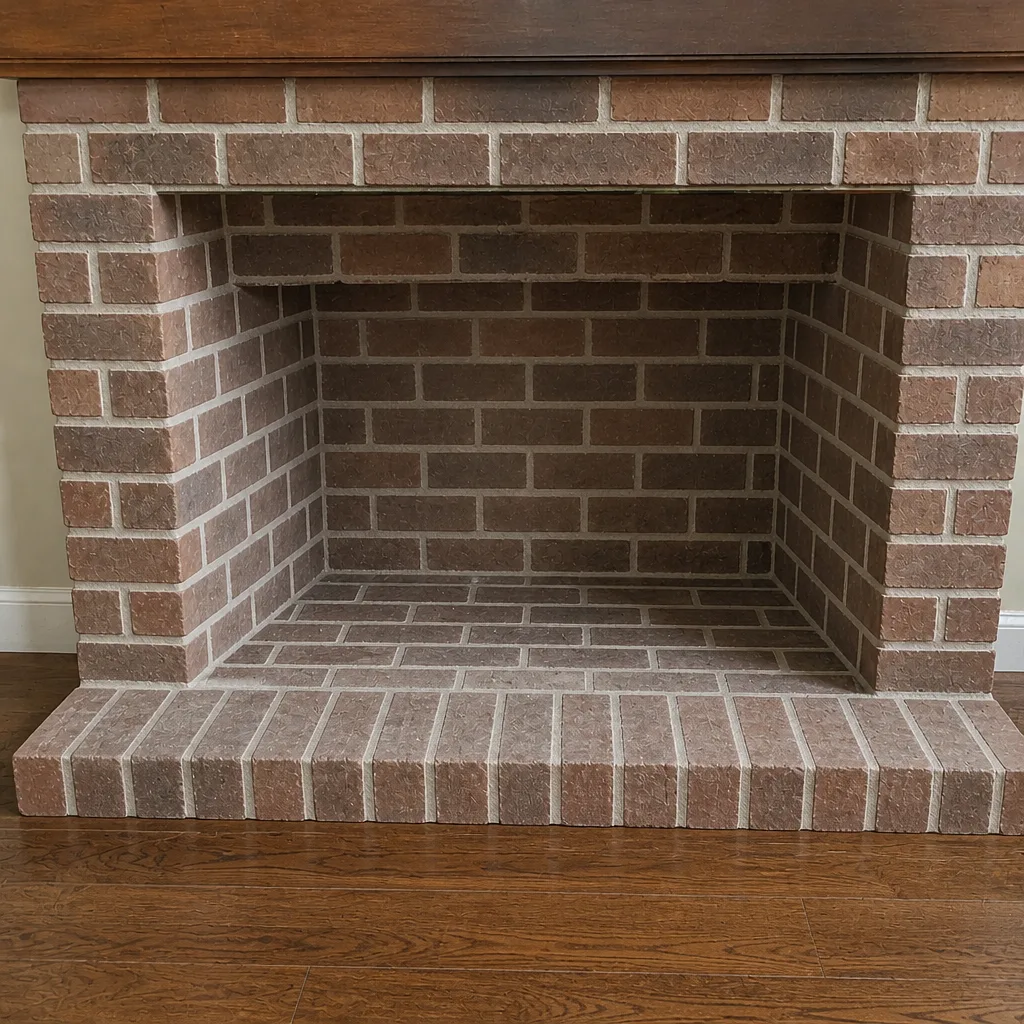 After
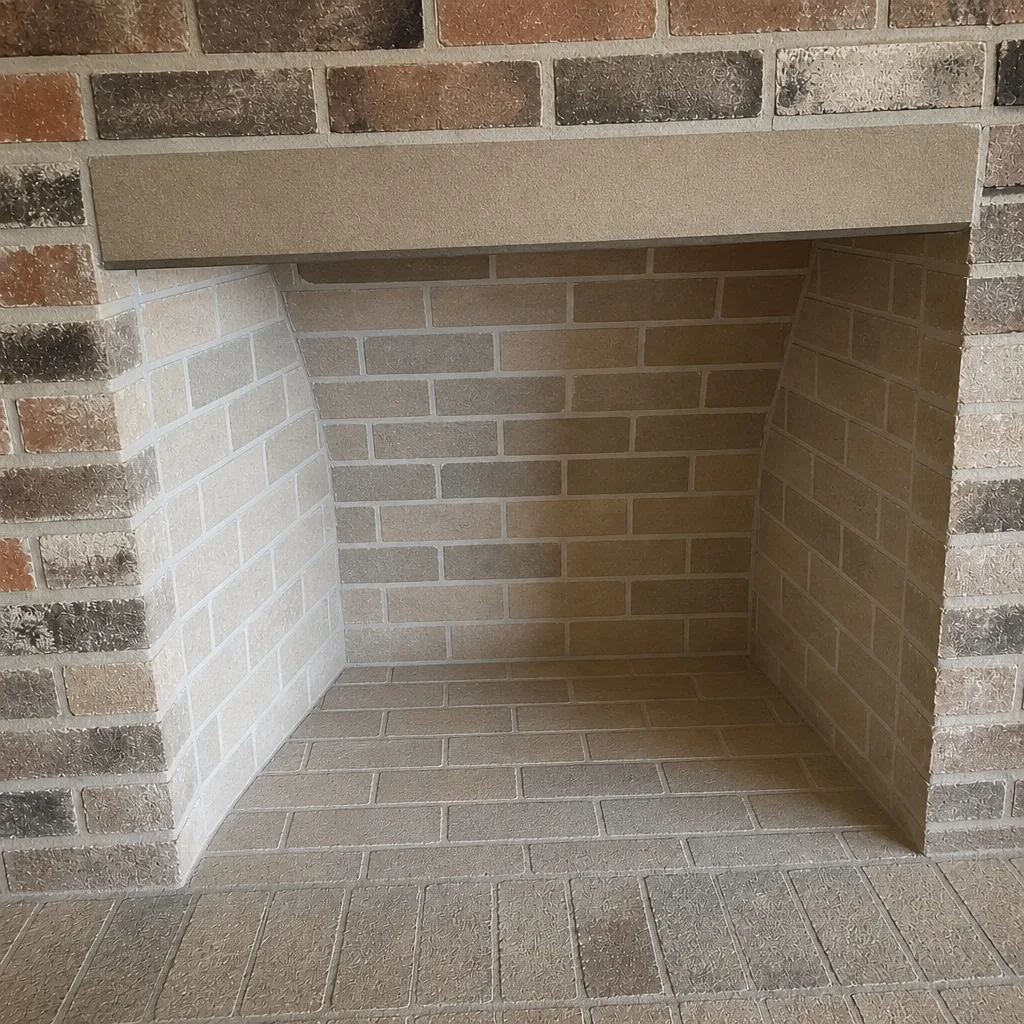
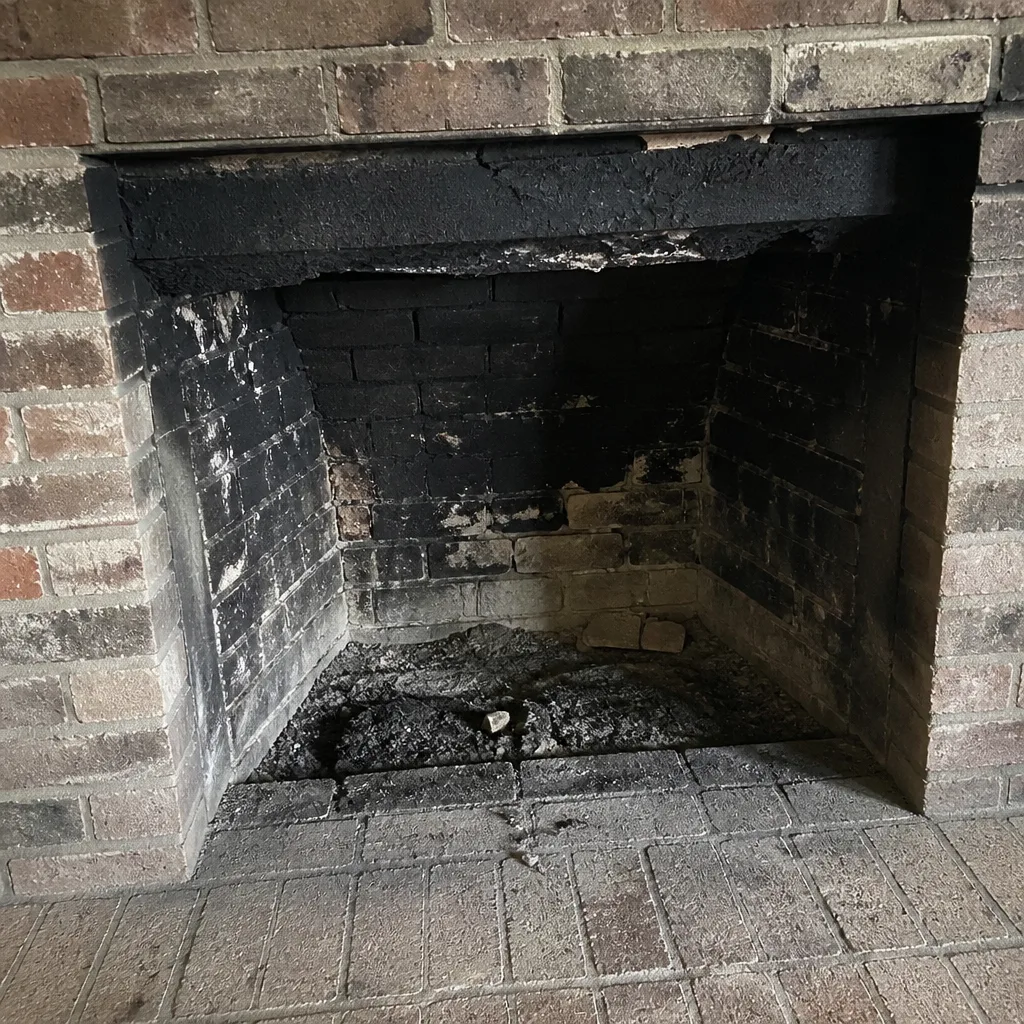 Before
 After
 Before
 After
When to Call a Professional
Call a professional when any of these apply: you can’t remember the last time the chimney was inspected, you just bought the home, you’ve had a chimney fire even a small one, the cap is missing or rusted, the crown is cracked, smoke backs into the room, you smell smoke when no fire is burning, or you’re ready to start a new heating season and want a documented baseline. Each of these is a reason to book a visit before you light the first fire, not after. And if you’re ready to schedule, our team handles inspection, cleaning, cap and crown work, fireplace repair, and chimney repair in one visit rather than handing you off. Antioch Chimney Sweep offers free estimates in Antioch. Call (844) 625-6985 to book. We answer 24/7. Fast dispatch from 7am to 7pm, Sunday through Friday.
Frequently Asked Questions
Chimney cleaning in Antioch is priced per job by a free written estimate, and the estimate sets the final price. The cost depends on the chimney size, creosote grade, and whether a Level 2 inspection with video scan is needed, which is often the case after a typical off-season. Call (844) 625-6985 for an exact quote; estimates are free.
Once a year if you burn regularly, or whenever creosote reaches about an eighth of an inch, whichever comes first. Antioch’s humid summers mean creosote that looked fine last spring may have hardened into something more stubborn by fall, so an annual visit is the safe baseline. Schedule before heating season, not after the first cold snap.
Usually yes, if you can’t remember the last inspection, you just bought the home, there’s been a chimney fire, or the chimney sat unused through a humid summer. A Level 2 covers areas a basic visual walk-around misses, including the attic, crawlspace, and a video scan of the flue. If you’re unsure which level applies to you, call (844) 625-6985 and we’ll help you figure it out.
Creosote builds up, hardens, and eventually creates a fire hazard because it can ignite and burn hot enough to crack the flue. Skip enough seasons and you also risk moisture damage to the crown, cap, and masonry from a flue that never gets inspected. A cleaning and inspection catches both problems early, which is far cheaper than a structural repair. Call (844) 625-6985 to get on the schedule before heating season.
Sometimes, but not always. A smoky fireplace usually signals a draft, damper, or obstruction problem, and locating the actual cause is what an inspection is for. Cleaning may resolve a blockage, but a damaged damper or a firebox issue needs repair, which is why we document what we find before recommending anything. Call (844) 625-6985 for a free estimate.
Yes. One visit covers inspection, cleaning, cap and crown inspection, and any repair work that turns up, so you’re not scheduling a second company for the structural side. We install caps and crowns from brands like Gelco and Famco, the kind of components specified by chimney professionals rather than consumer retail parts. Call (844) 625-6985 to book.
The Bottom Line
Chimney cleaning in Antioch is a diagnostic service as much as a cleaning one. The humid summers, mixed hardwood burning habits, and older housing stock here all create conditions that generic national guides don’t account for, and the deposits sitting in your flue over the off-season are usually worse than they look. A proper visit runs from cap and crown down through the firebox, documents what it finds, and tells you honestly when something can safely wait. Book before heating season starts, not after the first problem shows up. For a free estimate and a documented look at what your chimney really needs, call (844) 625-6985. We answer 24/7. Fast dispatch from 7am to 7pm, Sunday through Friday.
Written by the team at Antioch Chimney Sweep.