
Last updated November 24, 2026
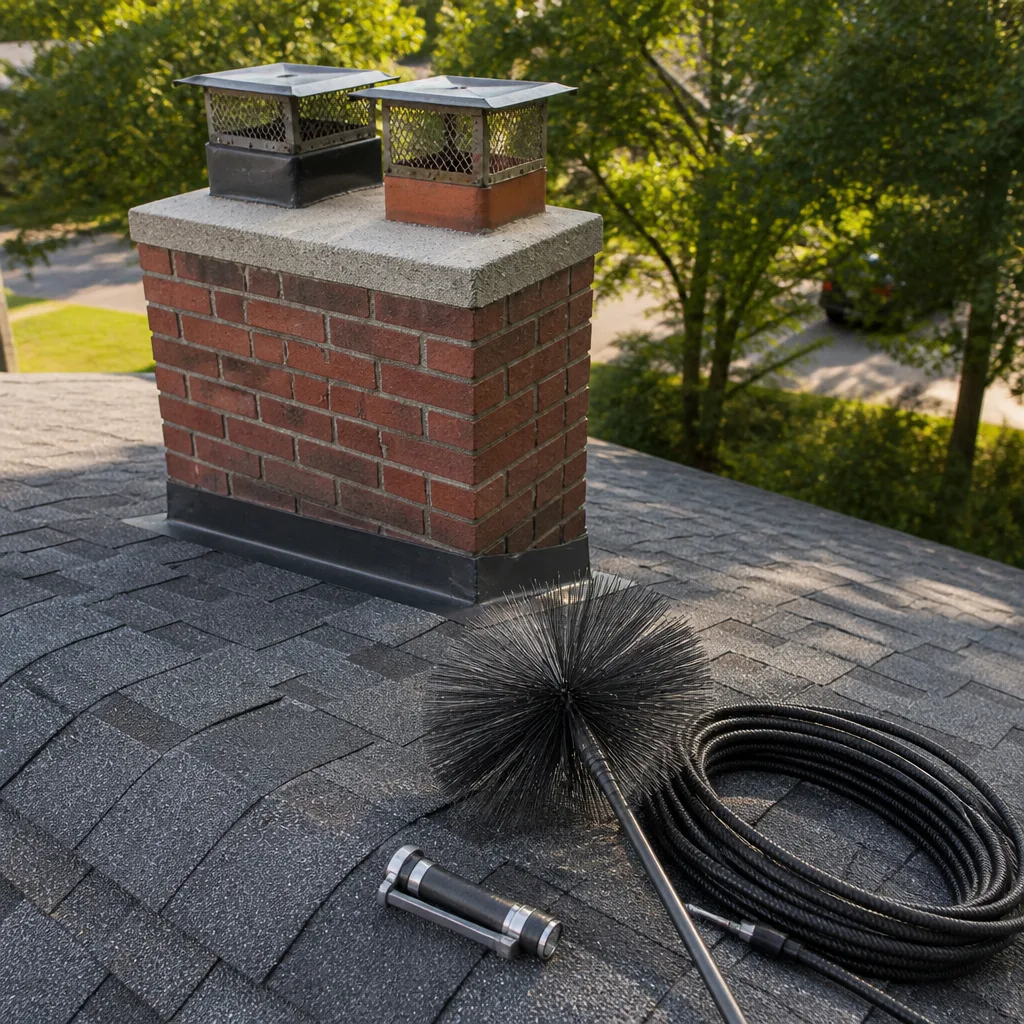 Sweep & inspection
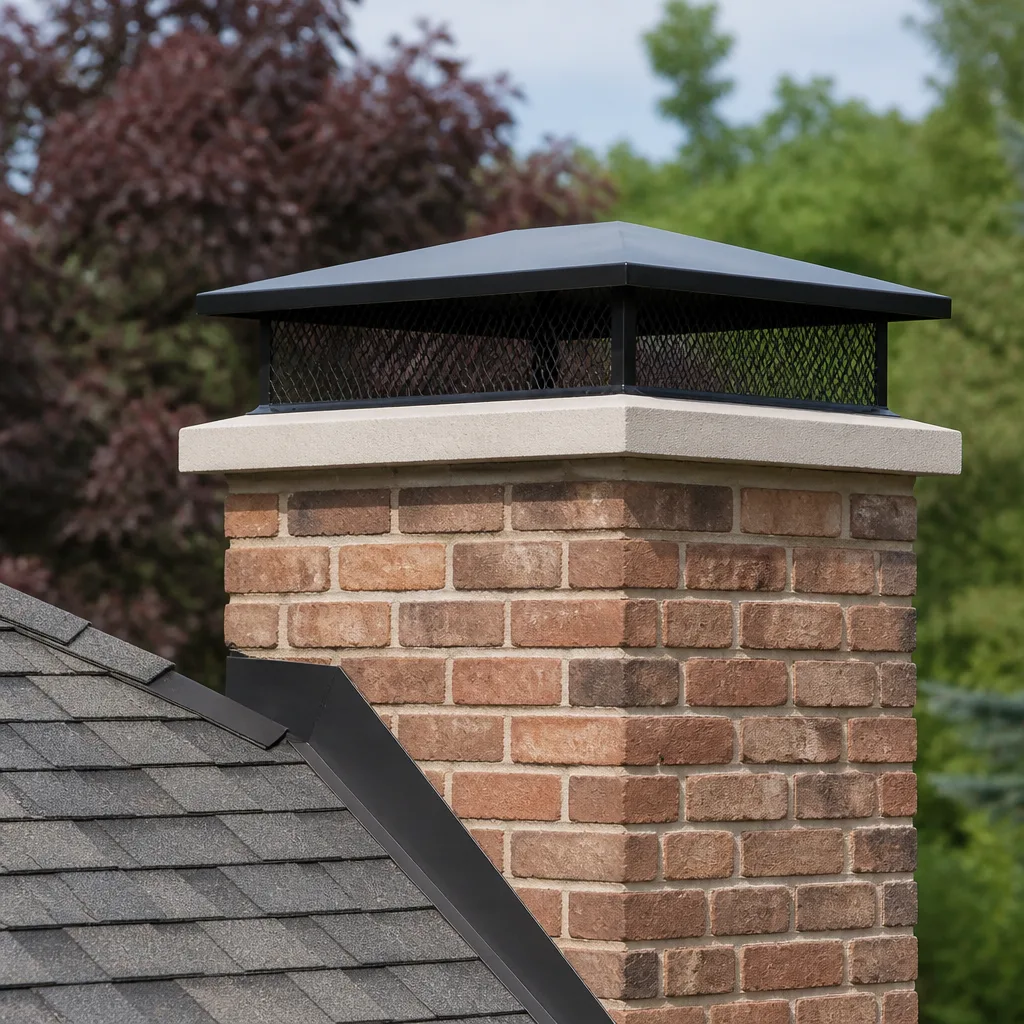 Caps & crowns
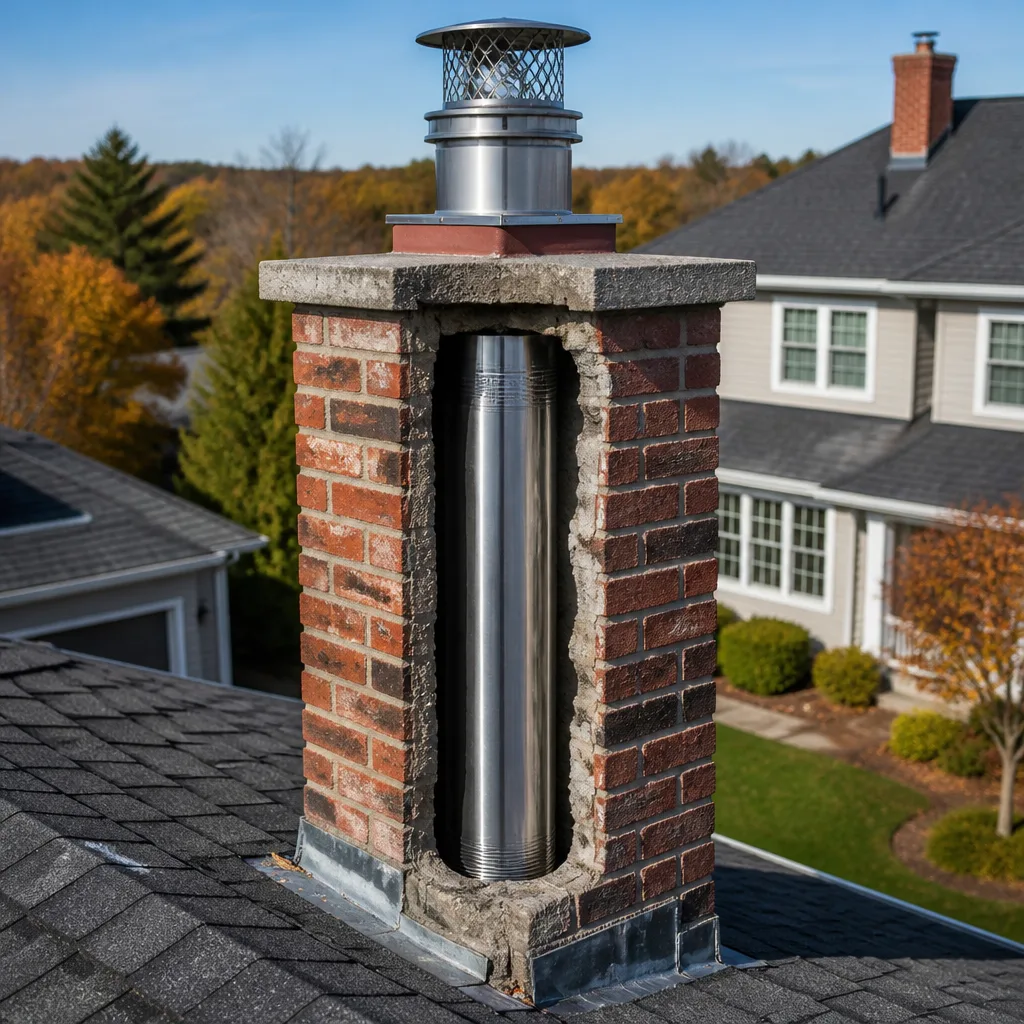 Flue relining
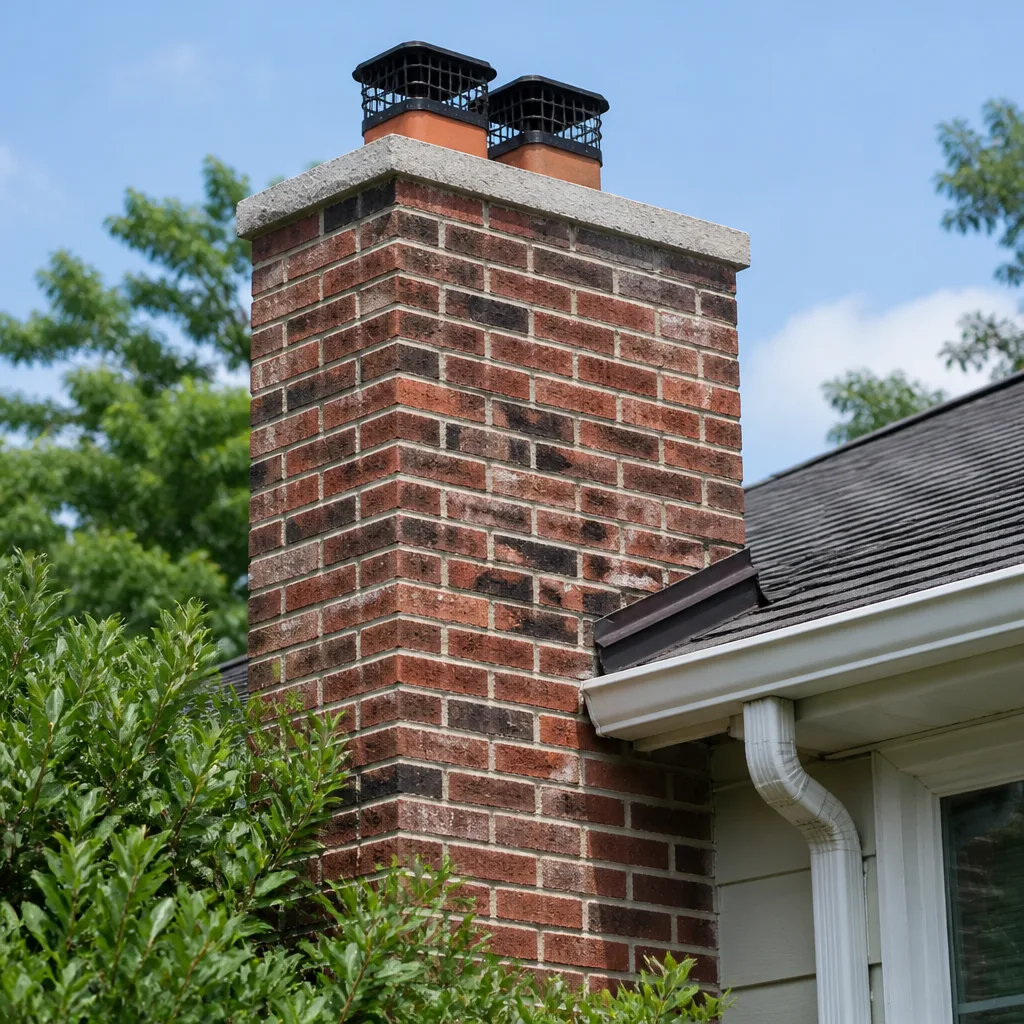 Masonry repair
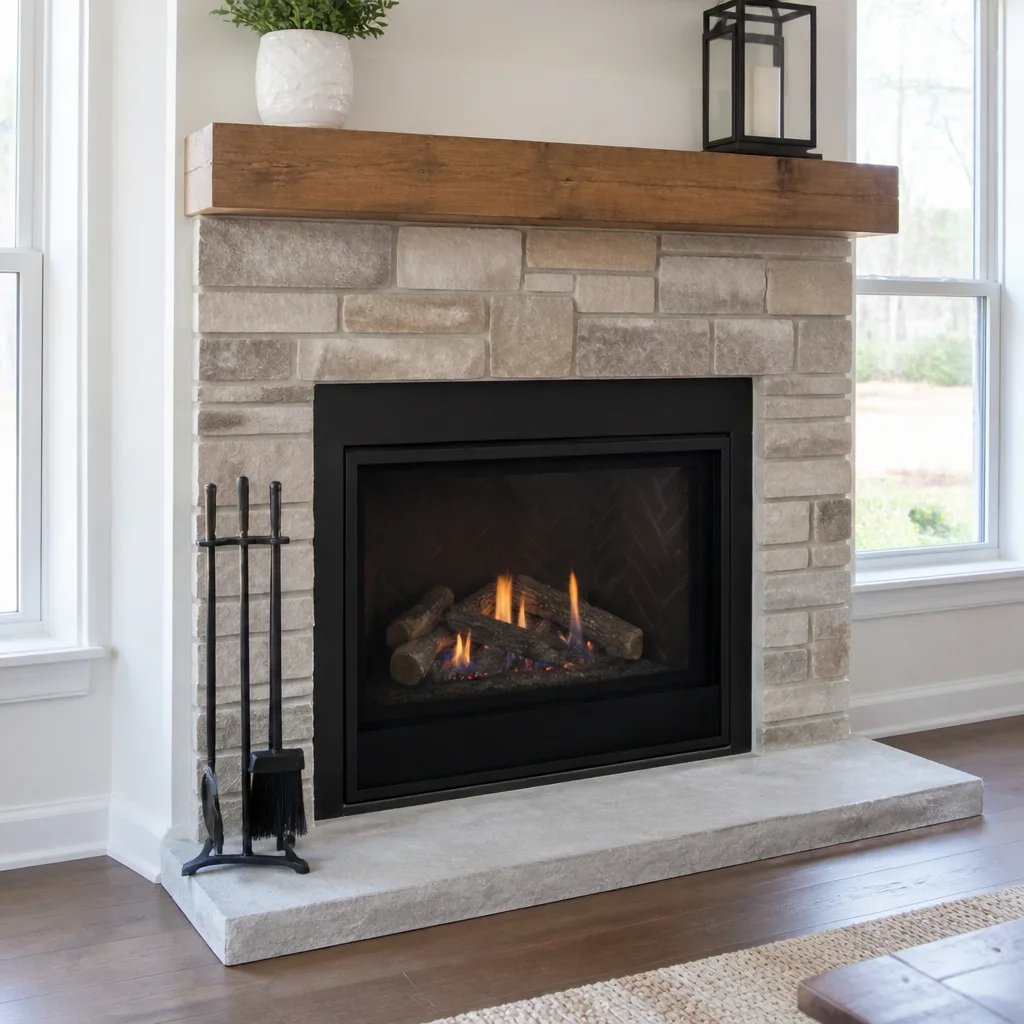 Gas fireplace service
Level 1 sweep and inspection to the NFPA 211 annual standard - flue, crown, cap, and flashing checked and photographed
Chimney sweep logs do not sweep chimneys. They loosen some creosote - which then falls where a brush and vacuum still have to collect it.
Seasonal Chimney Cleaning Care for Antioch: Year-Round Homeowner’s Guide
Summer is the season most Antioch homeowners never think about their chimney, and it’s the season that sets up the most expensive fall repairs. Heat and humidity work on mortar, crowns, and liner seals for months while the fireplace sits cold and forgotten. By the time the first cool evening arrives, small cracks have had a whole season to grow. Most of us treat chimney care as one appointment squeezed in before heating season, which means three seasons worth of quiet damage go unchecked. This guide maps the actual care tasks to each season so you know what Antioch weather is doing to your chimney right now, and what to look at before it becomes a repair.
Quick Answer
Chimney care in Antioch is four seasons of watching, not one annual cleaning. Summer heat and humidity attack mortar and crowns, fall’s first fires reveal how the system is really running, winter burning builds creosote based on your wood and habits, and spring’s freeze-thaw cycles expose cracks that opened over the cold months. A professional sweep and inspection once a year anchors the cycle, but the homeowner checks belong in every season.
Styles & brands we work with
- Sweep & inspection
- Caps & crowns
- Flue relining
- Masonry repair
- Gas fireplace service
Table of Contents
- Why chimney care in Antioch is a year-round job
- Summer: the season that sets up fall repairs
- Fall: the first two fires as diagnostic fires
- Winter: reading your burning habits mid-season
- Spring: the post-season damage checklist
- How to stagger a cleaning and inspection schedule
- Common mistakes to avoid
- When to call a professional
Why Chimney Care in Antioch Is a Year-Round Job
Antioch sits in Middle Tennessee, and that geography gives us a chimney climate that swings hard. Summers run hot and humid, winters bring repeated freeze-thaw cycles rather than a single long freeze, and spring rains soak the masonry before the heat returns. That combination is harder on a chimney than a cold, dry climate where the temperature stays put for months.
A chimney is masonry, metal, and sealant all working together, and each one reacts to the weather differently. Masonry absorbs moisture. Metal expands and contracts. Sealants age faster when they’re baked on one side and cooled on the other. When the fireplace runs in cold months and sits idle in warm ones, those materials are doing two different jobs across the year, and problems tend to start during the idle season when nobody’s looking.
That’s the case for treating care as a cycle rather than an event. A homeowner who checks the crown after summer rain, listens to the flue on the first fires, watches creosote through winter, and walks the exterior in spring catches most issues while they’re small. The alternative, waiting until something smells wrong or smoke backs up, usually means the problem has been building for months.
At Antioch Chimney Sweep, chimney work is all we do, so the seasonal patterns we see in this part of Tennessee are the same ones we plan around. Our technicians have up to 12 years of experience reading what a flue has been through since the last visit.
Summer: The Season That Sets Up Fall Repairs
Summer is when your chimney is most vulnerable and least watched. The fireplace is cold, the damper is closed, and the whole system sits through weeks of heat and humidity without anyone looking up at it. That’s exactly the stretch when the crown and mortar joints take on water and start to fail.
Here’s what the season actually does to the system:
- Heat and humidity on the crown. The concrete crown caps the top of the chimney and sheds water away from the masonry below. Sun bakes it by day; humid air and summer storms work at the edges. Hairline cracks open, and once water gets under the crown, it has a path into the brick.
- Mortar joints soften. Marble-sized mortar joints between bricks take up moisture in the humid months. Repeated wetting and drying erodes them slowly, and receded joints are the first sign the chimney is losing its weather skin.
- Liner seals dry out. The sealant and connections around a flue liner sit through the hot season without any flue gases moving past them. Heat ages those seals faster than active use does, and a small gap at a joint is easy to miss until smoke or carbon monoxide has somewhere to go in fall.
- Wildlife and debris. An uncapped or poorly capped flue is shelter in summer. Nests, leaves, and twigs collect at the top of the flue, and the first fire of fall is when people find out.
None of this is dramatic on a given day. That’s the point. Summer damage is cumulative and quiet, and it surfaces as a repair in October. A quick look at the crown and the cap from the ground after a storm, and a note of anything crumbling or missing, is the whole homeowner task for the season. If you see a cracked crown or a cap that’s loose, that’s the moment to book a chimney cap & crown evaluation rather than waiting for fall.
What Summer Means for an Idle Fireplace
A gas fireplace that sits unused all summer deserves the same attention. The venting still needs to be clear, and the seals and connections around the vent don’t stop aging because the flame is off. When you turn it back on in fall, that’s when a seal that dried out over summer shows itself.
Fall: The First Two Fires Are Diagnostic Fires
Those first fires of the season aren’t normal fires. They’re a test, and what you smell, hear, and see during them tells you more about the chimney’s condition than anything else you’ll do all year. Treat the first two burns as a read on the whole system before you settle into regular use.
Here’s how to run a diagnostic fire:
- Start small. Build a modest fire rather than a full load. You want controlled heat that lets you listen and watch, not a roaring fire that hides the symptoms.
- Watch the first smoke. Open the damper fully and watch the smoke rise. It should move up and out steadily. If it rolls back into the room or drifts slowly, the flue is restricted or not drafting.
- Listen to the flue. A steady low whoosh is normal. Rumbling, sputtering, or a popping sound that gets louder is creosote igniting, and that fire needs to come down or be put out.
- Smell the room. A faint smoky smell may just be a cold flue. A sharp, acrid creosote smell that lingers after the fire dies is a sign of heavy buildup that the sweep should see.
- Check the firebox and the top afterward. Once everything is cool, look for smoke stains on the firebox, soot streaking above the damper, and spalling or missing mortar at the crown.
- Note it down. Write down what you noticed. Patterns across the season help a chimney professional know what to look for at inspection.
If the first fire drones, smokes into the room, or smells wrong, don’t push through to the second one. That’s the chimney telling you it needs a real look before regular burning. A proper chimney sweep in early fall is the best insurance you have against finding out the hard way in December.
Winter: Reading Your Burning Habits Mid-Season
Creosote doesn’t build at the same rate for everyone, and the mid-winter clues tell you whether your habits or your wood are speeding it up. Creosote comes from unburned wood gases condensing on the cooler upper part of the flue, so anything that cools the flue or burns the wood poorly makes more of it.
Watch for these signs during the burning season:
- A glassy, hard buildup. If you can see glazed creosote near the top of the firebox, that’s the stage that’s hardest to remove and the most flammable.
- Faster smoke roll. A chimney that drafted well in fall but smokes into the room more often by mid-winter is narrowing. Buildup has reduced the flue opening.
- Strong smell after the fire dies. As the system cools, residual creosote gives off that sharp smell. If it’s stronger than it was in fall, buildup is growing.
- Thick, black smoke from the top. Smoke that’s dense and dark means incomplete combustion, usually wet wood or a smoldering fire.
- Damp wood in the rack. Wood that hasn’t dried long enough (it should season for months before burning) creates more smoke and more creosote per hour of burning.
If you’re seeing more of any of these by mid-winter, your wood or your burning routine is off. Fixing the wood, burning hotter and smaller loads, and letting the fire die down cleanly all help. But if creosote is already glazed and visible, the chimney needs a professional cleaning before it goes back into regular use. Our team installs and works with professional-grade liner systems, including DuraFlex, so if the buildup has strained the liner, we can evaluate it against what’s actually specified for the system.
The Damper and the Screen
Mid-winter is a good time to check that the damper opens and closes cleanly and the spark screen is intact. A screen with holes lets embers through and lets mice in when the season ends. It’s a small fix that saves a real problem later.
Spring: The Post-Season Damage Checklist
Spring is the season to walk the chimney and look for what a Middle Tennessee winter did to it. Our winters don’t stay frozen, which is the harder climate for masonry. Water gets into cracks, freezes overnight, expands, and thaws by midday, and every cycle widens those cracks a little. Spring is when you can see the results.
Run this checklist on a dry day:
- Look at the crown from the ground. Cracks, crumbling edges, or a crown separating from the brick say water is getting into the chimney.
- Check the cap. Is it still anchored, or has wind worked it loose? Is the screen intact?
- Walk the exterior masonry. Look for spalling bricks (faces peeling off), white chalky stains (efflorescence, a sign of moisture moving through masonry), and crumbling mortar joints.
- Look for rust on any metal. A rusted cap, flashing, or vent tells you where water has been sitting.
- Check the firebox for cracks. Hairline cracks in the firebox brick or mortar can allow heat and gases past the firebox into the structure.
- Look at the attic and ceiling near the chimney. Staining or dampness on the inside of the chimney chase or nearby ceiling is a sign of water finding a path inside.
Anything on this list that comes up is worth a professional look while the weather is still mild. Spring is also the quiet season for chimney work, so scheduling an inspection now means the whole season’s damage gets caught before summer makes it worse. Where the flue liner has deteriorated, we use HeatShield, a manufacturer-backed resurfacing system designed to extend the life of aging liners, rather than tearing into a system that can be rehabilitated.
How to Stagger a Cleaning and Inspection Schedule
The right time to get the chimney professionally evaluated isn’t whenever it’s convenient. It’s the point in the year when an inspector can see the most and a sweep can fix the least expensive problems first. Two visits a year, one in spring and one in early fall, cover the cycle better than one.
Here’s how to stagger it:
- Book the spring inspection. This is the damage-finding visit. The winter is over, the system is cold, and an inspector can see winter’s cracks and water paths clearly. This is when you want the camera inspection and photo report, so you can see the condition of the flue with your own eyes.
- Handle repair and cap and crown work in early summer. Once you know what’s wrong, fix it while the weather lets the repair materials cure properly. Crown repairs and cap installs are best done in dry, warm months.
- Book the fall sweep before the first fire. This is the cleaning visit. The flue gets swept so the fall’s first fires get a clear run and a clean diagnostic. This is where you want the sweep, the inspection, and any loose ends knocked out before October.
- Skip the mid-winter visit unless the signs say otherwise. If your mid-season signs are raising red flags, book an extra cleaning. Otherwise, hold to the two-visit cycle and let your diagnostic fires tell you if anything changed.
- Note the date of every visit. Keep the inspection reports. Patterns (same crack widening, same flue condition worsening) show up when you have the history in front of you.
We tell you what we find, and what actually needs fixing. If a repair can safely wait another season, we’ll say so. If it can’t, we’ll say that too, and you’ll have the photos to judge for yourself. Our team works with Olympia Chimney and Famco components, which are specified by chimney professionals rather than sold as general hardware store parts.
Common Mistakes to Avoid
- Treating chimney care as a once-a-year cleaning. A single sweep checks one thing: buildup. The crown, cap, mortar joints, and liner are all still vulnerable the other eleven months, and in Antioch’s climate that’s most of the season.
- Burning unseasoned wood because it’s what’s on hand. Green wood burns cooler and smokes more, which lays down more creosote per fire. Dry season your wood for months ahead and check it before the first fire.
- Ignoring the crown until water is in the house. A cracked crown is a cheap repair done early and an expensive one done after a stained ceiling shows up. It’s the single most-overlooked part of the chimney in summer.
- Skipping the cap because it “looked fine.” Caps loosen with wind and age, and a missing cap is an open chimney to rain and wildlife. If you can’t remember the last time you looked at it, look at it.
- Doing the first fire of the season as a full load. A full fire hides the diagnostic signals. Start small, watch, and listen. Your chimney will tell you more in that one fire than in a whole season of regular use.
- Using a general handyman for chimney work. Chimney repair needs chimney-specific materials and know-how. A patch that doesn’t bond properly to masonry or a liner that doesn’t match the flue is a problem waiting to open up.
- Waiting for smoke to back up before you call. Smoke backing up means the flue is already restricted or blocked. The point to call is when the first signs show, not when the fire won’t run.
When to Call a Professional
Some tasks are for the homeowner. Others belong to a trained chimney professional. Call us when you see a cracked or crumbling crown, a loose or missing cap, spalling brick, white chalky stains on the exterior, or smoke backing up on the first fire. Call when you smell strong creosote after the fire dies, see glazed buildup, or notice water stains anywhere near the chimney. Call when the firebox has cracks, when the damper won’t move freely, or when the spring checklist comes up with damage you don’t recognize.
Antioch Chimney Sweep offers free estimates in Antioch. We handle chimney sweeps, inspections, fireplace and chimney repair, and cap and crown installation or replacement in one visit, with no handoffs to subcontractors. Call (844) 625-6985. We answer 24/7. Fast dispatch from 7am to 7pm, Sunday through Friday. The written estimate sets the final price, and nothing gets recommended without camera evidence you can see.
See the difference
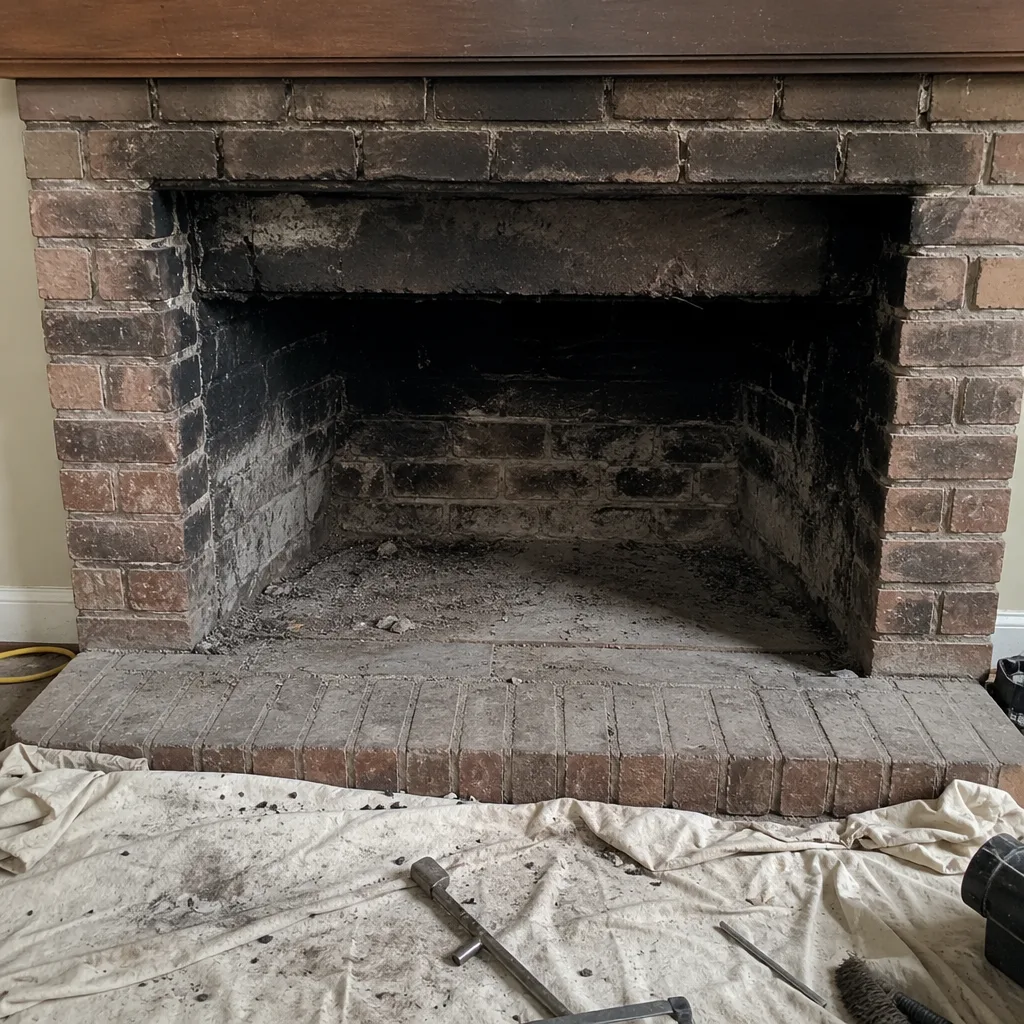 Before
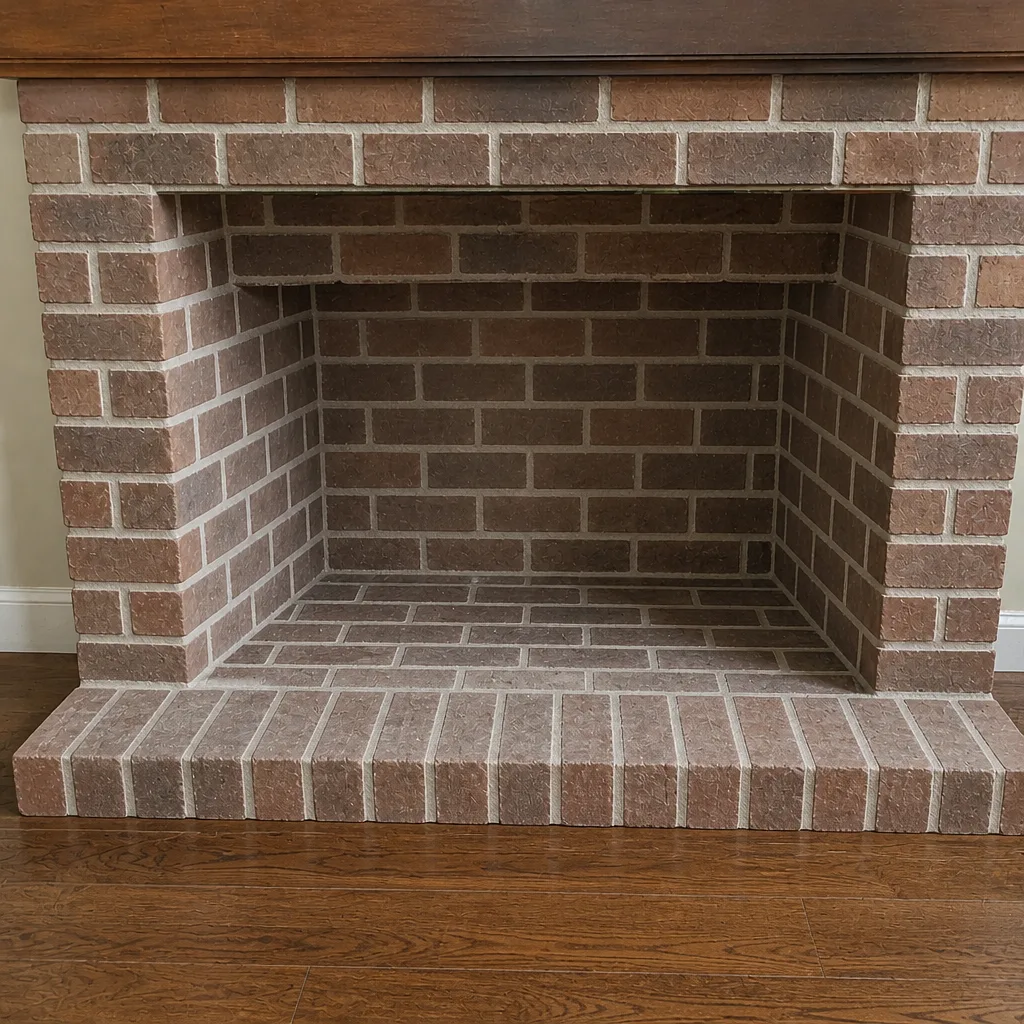 After
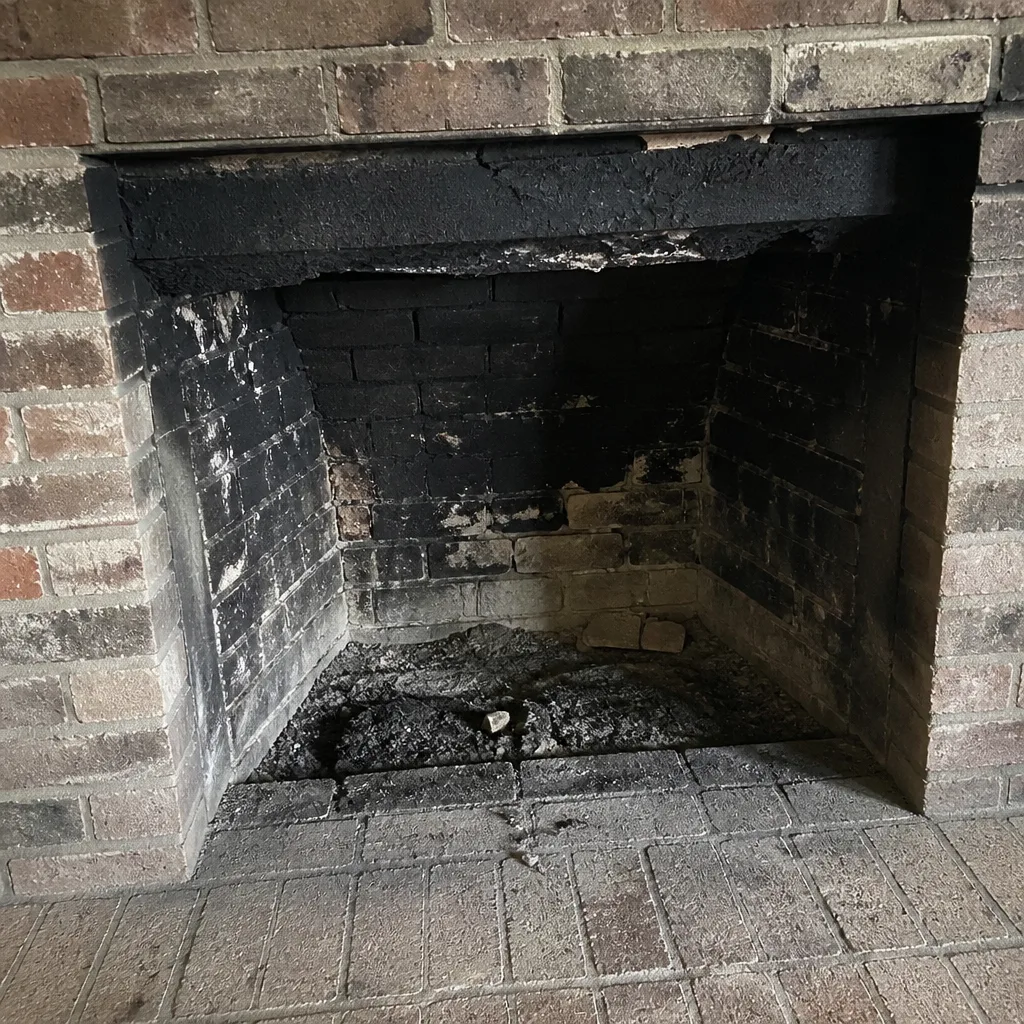 Before
 After
 Before
 After
Frequently Asked Questions
Most Antioch chimneys should be swept once a year, with a professional inspection either at the same time or in a separate season. Homes burning hardwood regularly and using the fireplace most of the winter may need a mid-season check. Gas fireplaces still need an annual inspection even though they don’t produce creosote the way wood does. If you’re unsure, a single visit’s inspection will tell you the right schedule for your system. Call (844) 625-6985 for an exact quote, and estimates are free.
Summer damages the exterior of the chimney while it’s not in use, because heat and humidity work on mortar, crowns, and liner seals for months without anyone looking. Cracks open, moisture gets in, and the first cool evening of fall reveals what’s been growing since June. The homeowner’s summer task is small: look at the crown and cap from the ground after a storm and note anything cracked, loose, or crumbling. If you see damage, book an evaluation now rather than waiting for heating season. Call (844) 625-6985 to schedule it.
The first two fires are diagnostic fires, and the signals to watch are what you smell, hear, and see. Smoke that rolls back into the room, rumbling or popping from the flue, a sharp creosote smell that lingers after the fire dies, or soot streaking above the damper all say the system needs a look before regular use. Build a small, controlled fire rather than a full load so the signals aren’t hidden. If any of them show up, schedule a sweep before you burn again. Call (844) 625-6985.
Yes, and it’s harder on masonry than a steady cold winter. Water gets into hairline cracks, freezes overnight, expands, and thaws by midday. Each freeze-thaw cycle widens the crack a little, and the cumulative effect over the winter shows up in spring as spalling brick, crumbling mortar, and a cracked crown. Middle Tennessee’s back-and-forth winter temperatures make those cycles common. A spring inspection catches the results while the weather is still mild for repair. Call (844) 625-6985 for a free estimate.
We don’t recommend it. A crown repair done with general hardware-store materials doesn’t bond the same way to masonry, and a cap that isn’t properly anchored will work loose again in wind. Chimney work needs chimney-specific products, which is why we install cap and crown systems from professional-grade brands like Copperfield, Olympia Chimney, and Famco. Repairing it wrong the first time usually costs more than getting it done right. Call (844) 625-6985 and we’ll take a look.
Creosote accumulates faster than most people realize, and beyond a certain thickness it becomes the fuel for a chimney fire. The liner also takes damage from heat, moisture, and creosote contact, and small cracks in the crown become bigger ones over the seasons. The point of a seasonal routine is to catch each of these while the repair is small. Skipping it doesn’t make the problem go away; it lets the problem mature. Call (844) 625-6985 to book an inspection and see what your chimney actually looks like from the inside.
The Bottom Line
Antioch’s four seasons each put a different kind of pressure on the chimney, and one annual cleaning covers only part of it. Summer works on the crown, mortar, and seals. Fall’s diagnostic fires tell you how the system is running. Winter’s burning habits either build creosote slowly or quickly. Spring’s freeze-thaw cycles expose what the winter opened. Anchor the year with a spring inspection and a fall sweep, and use the small homeowner checks in between to catch problems while they’re still cheap to fix. We use professional-grade materials, we tell you what we find, and we say plainly when a repair can wait. That’s what year-round care looks like in Antioch.
To get your chimney on a proper seasonal schedule, call Antioch Chimney Sweep at (844) 625-6985. We answer 24/7, dispatch runs 7am to 7pm Sunday through Friday, and the estimate is free.
Written by the team at Antioch Chimney Sweep.