
Last updated November 24, 2026
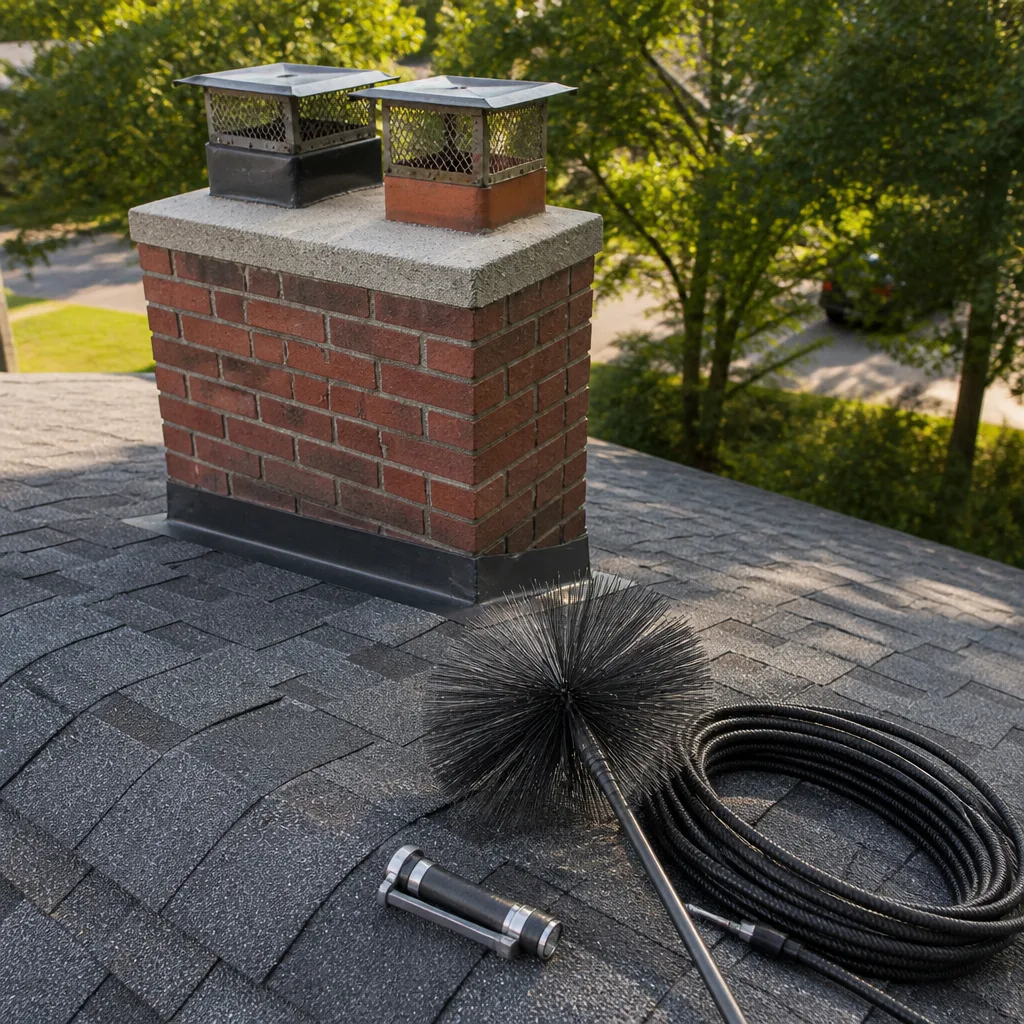 Sweep & inspection
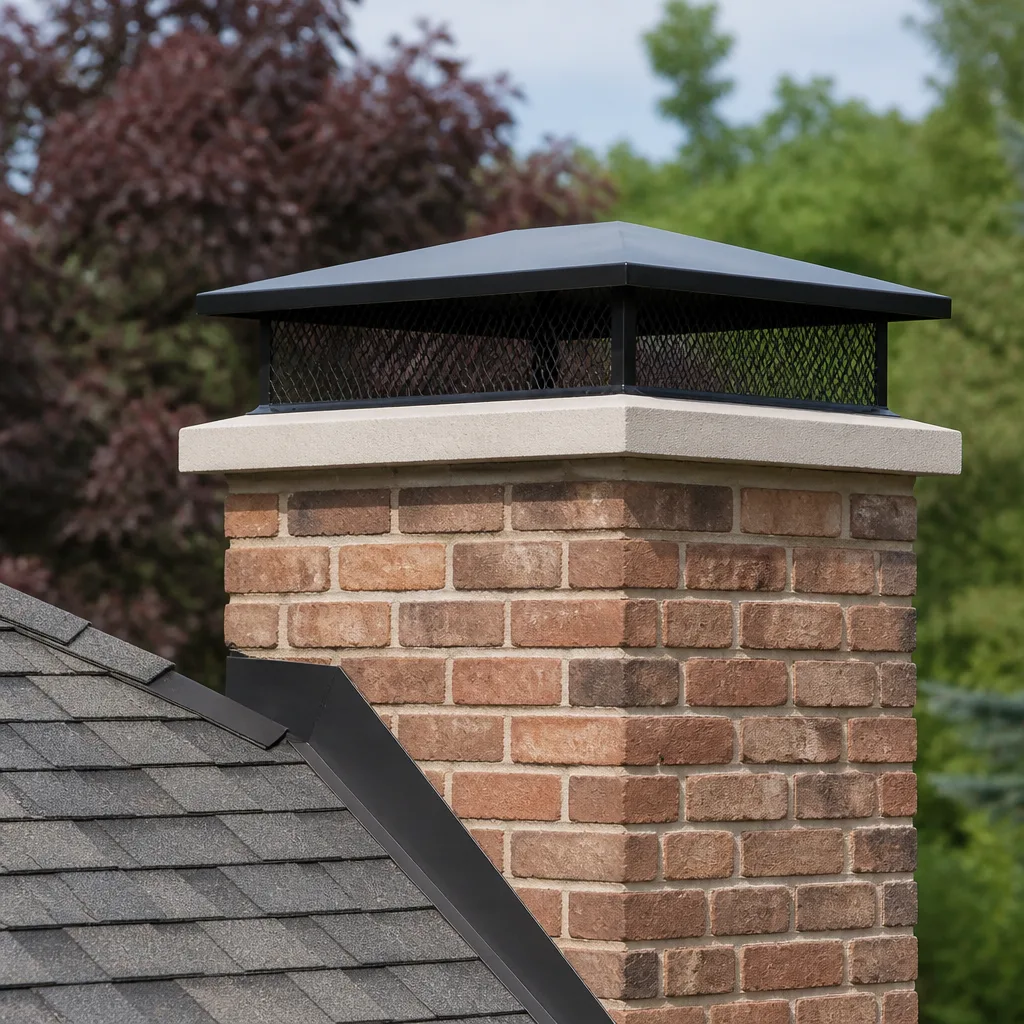 Caps & crowns
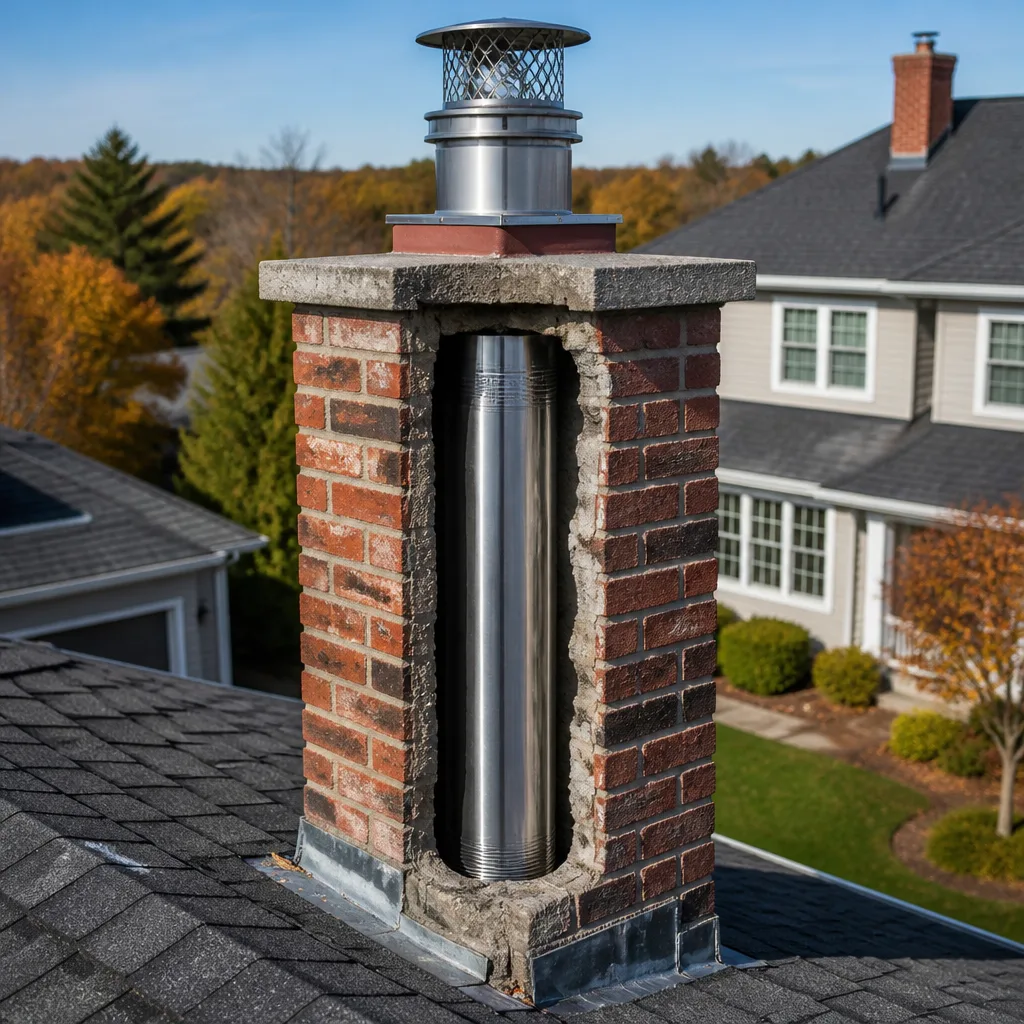 Flue relining
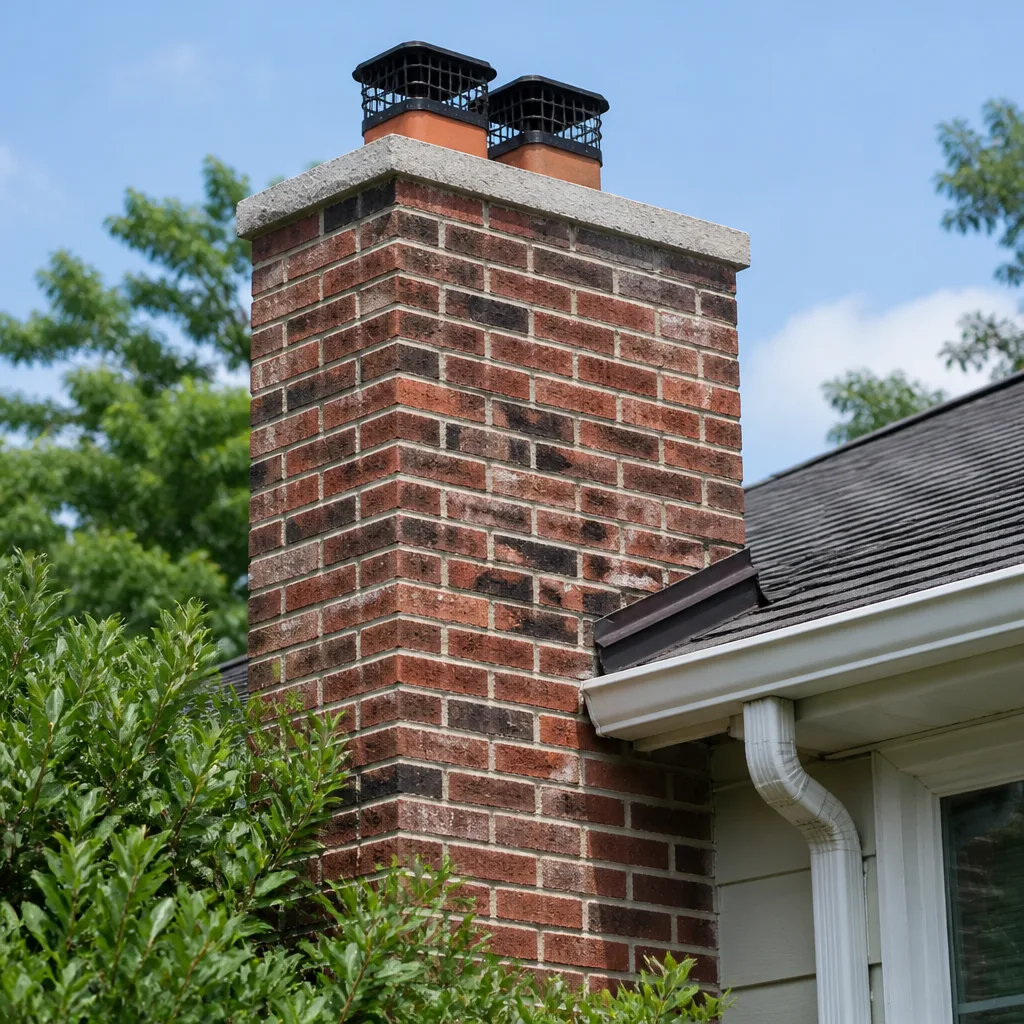 Masonry repair
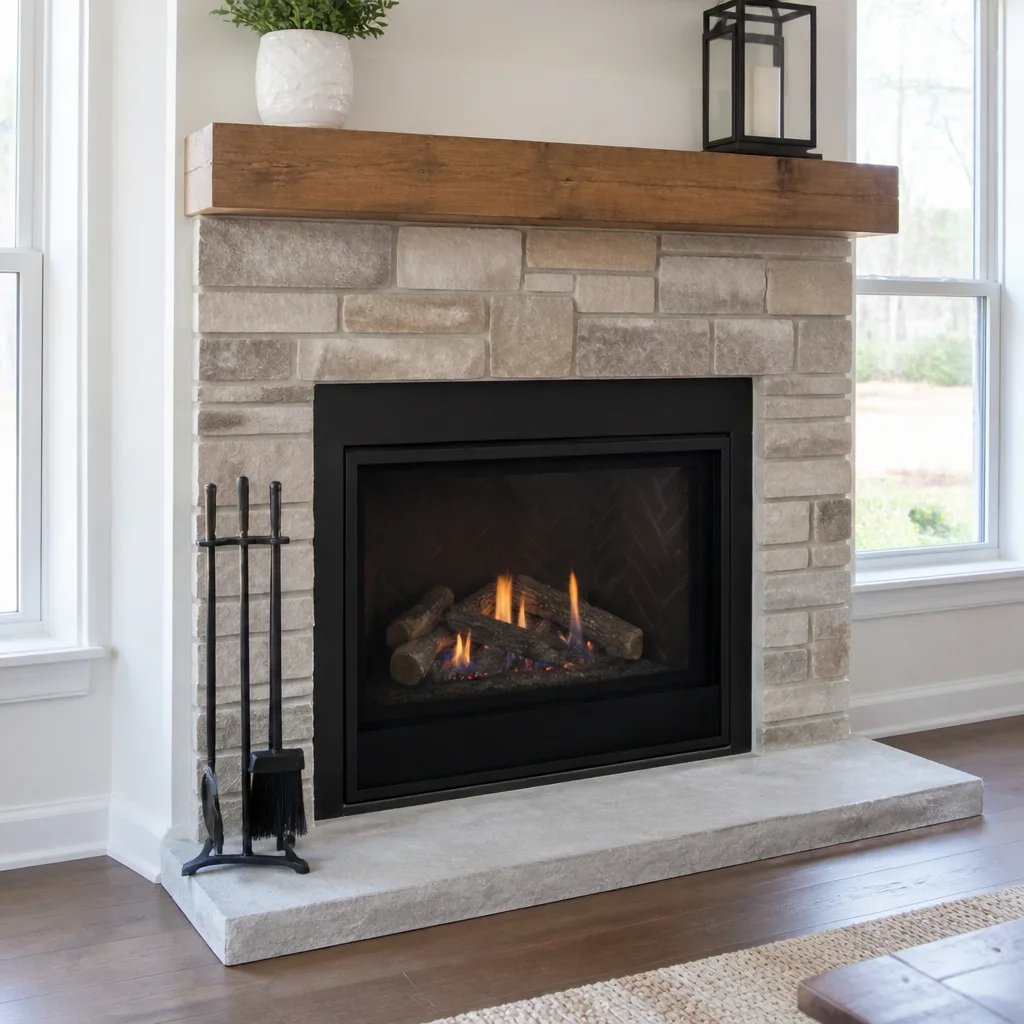 Gas fireplace service
Level 1 sweep and inspection to the NFPA 211 annual standard - flue, crown, cap, and flashing checked and photographed
Chimney sweep logs do not sweep chimneys. They loosen some creosote - which then falls where a brush and vacuum still have to collect it.
Chimney Sweep Troubleshooting in Antioch: Common Problems and How to Fix Them
Smoke rolling into the room when you light a fire is the complaint we hear most often, and most homeowners blame the wood before they blame the chimney. It’s a fair guess and almost always wrong. In our experience, smoke on startup usually traces back to one of three things: a flue that’s cold and refusing to reverse, a damper that isn’t open the way you think it is, or a house that’s pulling harder on the outside air than the chimney can pull on its own. This guide maps the symptoms you’re seeing to the actual problem underneath, explains what a trained inspection can and can’t tell you, and covers the point where troubleshooting stops being a weekend project and becomes work for someone with a camera and a ladder. If you live in Antioch, some of this is specific to how houses here are built and how the air behaves in Middle Tennessee’s swing seasons, and we’ll flag that as we go.
Quick Answer
Most chimney problems homeowners try to diagnose themselves come down to airflow, moisture, or a structural flaw that’s visible only from inside the flue. Smoke at startup usually means a cold flue, a closed or partly closed damper, or negative pressure in the house, while smoke mid-burn points to a blocked flue, undersized flue, or wind-related cap issue. Odors, crumbling mortar, and staining point to moisture and structural decay, which need a Level 2 inspection with a camera rather than a sweep alone.
Styles & brands we work with
- Sweep & inspection
- Caps & crowns
- Flue relining
- Masonry repair
- Gas fireplace service
Table of Contents
- Backdraft vs. Downdraft: Telling Them Apart by When Smoke Appears
- Why a Clean Chimney Can Still Draw Poorly
- House Depressurization and the Exhaust Fan Problem
- Reading the Smell: Musty, Sulfur, and Burning Plastic
- When Troubleshooting Is Safe and When You’ll Make It Worse
- What a Level 2 Inspection Sees That a Sweep Doesn’t
- What We See on Antioch Chimneys Specifically
- Caps, Crowns, and the Damage That Starts at the Top
Backdraft vs. Downdraft: Telling Them Apart by When Smoke Appears
The timing of the smoke is the diagnostic clue most people overlook. Backdraft happens at startup: you strike a match, light the kindling, and the smoke hesitates, curls, then spills over the firebox lip into the room before the flue has warmed. That’s cold-flue behavior. A chimney is a column of cold air in a warm house, and cold air is heavy. Until the flue heats up enough to reverse the pressure, it pushes air down instead of pulling it up. On a mild Antioch morning in the low 50s, the temperature difference between house and flue is small and the problem is worse. On a 25-degree January night, the fire gets going and the draft snaps into place faster.
Downdraft is different. It happens mid-burn, when the fire has been going well and then a gust of wind or a shift in the weather pushes air back down the flue. You’ll see the flames flatten, a puff of smoke come out around the damper, and then it recovers. Downdrafts are a wind problem, and wind problems are usually a cap problem: the wrong style, the wrong height, or no cap at all.
Here’s how to sort them out:
- Light a small fire and watch the smoke for the first two minutes. Smoke that spills then clears once the fire catches is backdraft.
- Let the fire burn well for twenty minutes, then open the firebox door briefly. If smoke puffs back when you open it, or the fire falters in windy weather, you have a downdraft problem.
- Check the damper position with a flashlight before you light. A damper that’s half-closed by a broken linkage looks open from arm’s length.
- Check your other exhaust appliances. A kitchen hood, a bathroom fan, or a dryer running in the same house will out-pull a cold chimney every time.
- Note the weather and time of day. Recurring at startup or in windy conditions suggests airflow; recurring regardless of conditions suggests a blockage.
Both conditions are worth having inspected, because both have fixes. A chimney sweep with a camera confirms what’s actually in the flue instead of guessing, and that’s the whole point of a diagnostic visit. If you have a serious smoke problem and live in Antioch, we’d rather see it before you spend another winter chasing it with different firewood.
Why a Clean Chimney Can Still Draw Poorly
A flue that’s been swept clean and still smokes is telling you the problem was never creosote. Three things go wrong on a perfectly clean chimney, and all three are architectural or mechanical rather than dirt-related.
Cap design. The wrong cap can choke a chimney. A cap with too little open area, or a single-wall cap on a flue that exhausts in gusts, restricts the rise of exhaust gases. The right cap is designed for the flue diameter and the local wind pattern. In parts of Antioch where houses sit on open lots with a long run of wind, we see a lot of cap replacements done on a guess and then a second call to fix the same problem. We work with chimney cap & crown products from Famco and Copperfield, both specified for the flue rather than sized off whatever’s on a shelf.
Flue sizing relative to the firebox opening. This is the one almost nobody checks. There’s a relationship between the size of the firebox opening and the cross-sectional area of the flue, and when a firebox has been enlarged, or a fireplace insert was removed and never replaced, or the original flue was lined to a smaller diameter than the firebox demands, the chimney simply cannot draft enough air for the fire. With DuraFlex lining we can size the flue to the appliance and restore the balance the fireplace was designed for.
House depressurization. Covered in detail below, but the short version: your house itself is competing with the chimney for air, and the chimney usually loses.
A chimney can fail any of these tests with zero visible soot. That’s why a clean sweep is a starting point, not an answer. We tell you what we find, and what actually needs fixing, so you can see the difference between a cleaning and a repair.
House Depressurization and the Exhaust Fan Problem
Every exhaust appliance in your house is competing with the chimney for indoor air. A range hood pulls several hundred cubic feet per minute out of the kitchen. A bathroom fan pulls 50 to 110. A dryer pulls more. A whole-house fan pulls far more. In a modern, tight house, the air those fans pull out has to come from somewhere, and it usually comes down the chimney because that’s the easiest open path. The chimney becomes the makeup air supply, and your fire has nowhere to send its smoke but back into the room.
You can test the idea in a minute. Light a small fire, let it establish, then turn on the kitchen hood and the bathroom fan. If the smoke reverses, moves toward the ceiling, or the fire flattens, you’re running negative pressure. Crack a window on the opposite side of the house from the chimney and see if the smoke corrects. It usually does.
What depressure tells you:
- The problem is in the house’s air balance, not just the chimney. Adding a taller cap doesn’t fix it.
- You may need a dedicated outside air supply for the firebox, which is a real structural change.
- Weather matters. In summer and the shoulder seasons, when windows are closed and the house is sealed, pressure problems get worse. Antioch’s long air-conditioning season means many houses run sealed for months, and this is when a fireplace that works in February won’t work in October.
- Carbon monoxide risk increases when a chimney can’t establish draft and exhaust can’t leave the house. If your fire is gas and you smell anything unusual or the burner flame looks lazy, leave the room and call. A gas fireplace has no smell warning and relies entirely on a functioning flue. Never troubleshoot gas by yourself, and never run it when draft is questionable. That’s a job for a qualified technician.
This is one of the few chimney problems a homeowner can confirm on their own, and confirming it saves a wasted service call. Tell the technician you’ve done the test and what you saw, and they can come prepared.
Reading the Smell: Musty, Sulfur, and Burning Plastic
A chimney is a smell amplifier because it’s a tall, open column that connects your living room to the outside. What comes back down that column tells you something specific. The smell types break into three camps, and each points to a different underlying condition.
Musty, wet-basement smell. Moisture in the structure. Usually a cracked crown at the top letting water in, deteriorated mortar joints, or condensation on a cold flue in the shoulder season. A little chimney smells musty in spring and fall because moisture migrates through the masonry and evaporates slowly. That’s a rebuild-the-crown problem, not a sweep problem. HeatShield resurfacing is one of the tools for restoring a flue that’s deteriorating from within, and it’s manufacturer-backed rather than a hand-mixed patching compound.
Sulfur or rotten egg smell. This is primarily a gas-appliance issue, or in some cases a sign of a decaying flue combined with a moisture problem. It’s not something to chase. Sulfur is unburned gas by definition, and a fireplace that may be leaking unburned gas is a call-a-professional-now condition, not a weekend project. Leave it, shut off the appliance if you can do so safely, and call us.
Burning plastic or chemical smell. This is thin, harsh, and often accompanies visible smoke. It means the flue is failing to draft and exhaust gases are entering the room. It can also come from a partially blocked flue that’s choking exhaust up the wrong side of the chimney. Either way, that’s the sign of a condition to deal with before the next fire, and it’s what a Level 2 inspection exists to find.
One more: wood smoke that smells fine going up and then comes back into the house as acrid smoke long after the fire is out. That’s not a draft problem, that’s a byproduct of a closed damper against a hot flue, and it usually clears on its own once the chimney cools. If it doesn’t clear, the damper is the suspect.
When Troubleshooting Is Safe and When You’ll Make It Worse
Some chimney checks are safe and useful for a homeowner. Others cross into the structural and will make the problem worse or create a hazard that didn’t exist before you started. The dividing line is the flue interior, the gas path, and anything above the roofline. Anything above the roof is a fall-risk job, and Middle Tennessee roofs carry a real slip risk in wet or freezing weather.
Safe to check yourself:
- Whether the damper opens and closes cleanly and fully with a flashlight and a mirror.
- Whether the cap is present, intact, and unobstructed from the ground with binoculars.
- Whether you see smoke spilling from the mantel in the first two minutes of a fire.
- Whether the smoke reverses when you turn on a kitchen or bath fan.
- Whatever is visibly wrong on the outside of the chimney base: crumbling mortar, a loose brick, water stains running down the side.
Not safe, and not useful to attempt alone:
- Climbing onto the roof to inspect the cap or crown. Slipping on a roof or into a skylight is the most common way this ends badly.
- Running a brush through the chimney by yourself. Creosote comes loose in chunks, and a blocked flue is a fire risk in ways you can’t see.
- Working on a gas fireplace, gas log set, or any gas appliance. Gas has no smell warning. This is not a DIY inspection.
- Anything involving the flue liner, its joints, or internal resurfacing. That’s a job for someone able to see the joints with a camera.
- Working on a high stack, a chimney that rises above a steep-pitch roof, or a chimney with visible structural cracks.
Troubleshooting the safe items and then calling a professional with findings in hand is the right order. It’s also the honest one: we’d rather you know how to tell us what you’re seeing than chase the problem by trial and error.
What a Level 2 Inspection Sees That a Sweep Doesn’t
A standard sweep and a Level 2 inspection are two different services on the same chimney, and mixing them up is the source of a lot of wasted money. A sweep cleans. A Level 2 inspection looks. Both are useful, but they answer different questions, and most mystery smoke problems require the second one.
A standard sweep covers:
- Removing loose soot and creosote from the flue.
- Checking the accessible parts of the firebox and damper.
- Confirming the flue is clear and the cap is present.
- Noting obvious damage in the visible areas of the firebox.
A Level 2 inspection adds, by definition, a camera survey of the entire flue interior. In practical terms, that’s what it covers:
- The full flue lining, joint by joint, including the sections you can’t see from the firebox.
- The cap and crown, from above.
- The exterior chase, the masonry above the roofline, and the flashing where the chimney meets the roof.
- The connection at the appliance or insert, and the vent connector for any gas or wood stove.
- All accessible portions of the chimney system, not just the firebox.
- Any evidence of water infiltration, condensation, or deteriorated joints that affects the flue’s ability to exhaust.
Which inspection you need depends on the symptoms. Smoke that appears mid-burn, smells that recur regardless of weather, or a chimney that’s been through a structural event or a fire in the firebox all point to Level 2. A routine cleaning once a year is a sweep. A diagnostic issue is a camera inspection. An Antioch Chimney Sweep gives you the picture in front of you and lets you see what the camera sees, so the recommendation isn’t something you have to take on faith. If it’s not a problem yet, we tell you that too, because work that can safely wait should wait.
What We See on Antioch Chimneys Specifically
Chimneys in Antioch age in ways that are a little different from what you’d see in Cane Ridge or out toward La Vergne, and it comes down to the housing stock and the weather. Antioch has a lot of houses built across many decades, and the mix of construction styles means we see a wide range of chimney systems on the same street. Original masonry chimneys, later prefab systems, and older homes where a fireplace was added or converted at some point all age at different rates. The one common denominator is water. Middle Tennessee gets a wet, humid summer and the occasional hard freeze in January, and that freeze-thaw cycle is what cracks crowns and loosens mortar. A crown that looks intact in August can spall by February.
A few patterns specific to this area:
Crown cracking from freeze-thaw. The crown is the concrete top of the chimney. It takes weather first and fails first. When it cracks, water runs into the chimney chase and shows up as musty smell and mortar damage years later. Crown replacement is one of those fixes that’s smaller now and much larger if you wait.
Missing or wrong-sized caps. The right cap is a design decision, not an accessory. We see a lot of chimneys in Antioch with no cap at all, and a lot with a cap sized off a previous flue rather than the current one. Both cause the same result: poor draw in wind and water in the flue when it rains.
Depressurization in tighter, newer homes. Not every house here is old. Newer builds are sealed much tighter than they were a generation ago, and a sealed house with a kitchen hood and a dryer running is a negative-pressure machine. If your fireplace works when windows are open and doesn’t when they’re closed, that’s your answer.
Flues sized for a firebox no longer in use. A fireplace insert that was removed, or a wood stove that was added and then taken out, leaves behind a flue sized for the appliance that’s gone. When the firebox goes back to open fire, the draft no longer matches. That’s a lining question, and it’s the kind of thing a camera inspection finds in minutes.
Creosote load in a mild winter. A fireplace used heavily from November to March with a chimney that was last swept more than a year ago accumulates creosote, and the thicker glaze stage is the dangerous one. A sweep before heating season is the cheap fix. A chimney fire is not.
In our experience, most of these are caught in a routine visit rather than an emergency call. The homeowner who schedules a sweep in early October and the homeowner who calls in January with smoke in the room are looking at very different outcomes on the same chimney. A fireplace repair after a smoke event is usually more work than a sweep before one.
Caps, Crowns, and the Damage That Starts at the Top
The top of your chimney does the hardest work and gets the least attention. Two components live up there, and they fail in sequence. The crown is the concrete slab on top of the chimney that sheds water away from the masonry. The cap is the metal or masonry structure over the flue opening that keeps rain, animals, and downdrafts out. When the crown cracks, water enters the chimney. When the cap is gone or the wrong size, wind pushes smoke back down and water runs straight into the flue.
The failure sequence is usually this:
- The crown hairline-cracks within a few seasons.
- Water enters the chase and the mortar between flue tiles softens.
- The flue joints open, and the chimney loses draft strength.
- Smoke starts appearing in the house, and a musty smell develops.
- The cure is now a flue liner plus a crown, not just a crown.
You can stop this at step one. A crown replacement on a chimney that hasn’t failed yet is a smaller job than almost any job that comes after it. We install caps from Famco and Copperfield because those are specified products for the actual flue diameter, not a universal size. Copperfield in particular is used on caps where lifespan matters, because the metal is what fails in a wet climate.
What to look at:
- Crown condition from the ground, with binoculars. Hairline cracks after a cold snap are the start.
- Cap presence and integrity. A missing cap, a bent cap, or a cap with a mesh screen that’s clogged is a fixable problem.
- Water staining on the exterior chimney. Rust-colored or dark staining indicates water getting into the masonry.
- Animal presence. A squirrel, bird, or wasp nest in the flue is a real blockage and a chimney hazard.
Everything at the top is a safety decision as much as a maintenance one, so we’d rather you didn’t climb up. If you see cracks, call and we’ll confirm from the ground or from a proper ladder setup before anyone goes up.
Common Mistakes to Avoid
- Blaming the wood. Wet wood makes smoke, but it doesn’t make smoke come into the room. If the smoke is in the house, the problem is airflow, a blockage, or pressure. Seasoned wood helps a fire burn clean but won’t fix a chimney that can’t draft.
- Skipping the annual sweep because the fire “works fine.” A chimney that drafts fine can still hold a heavy creosote load. Creosote at the glazed stage is a fire hazard you can’t see or smell. In Antioch, where fires run hard from November through March, an annual sweep before the season is the routine visit that prevents the emergency one.
- Putting a universal cap on a chimney that needed a sized one. The cap has to fit the flue. A mismatched cap reduces draw and makes the smoke problem worse. This is one where the cheaper option costs the same work twice.
- Firing up after a summer with no cap. A missing cap means rain, leaves, and animals have had a season to get into the flue. Light a fire and the blockage comes loose in the wrong place. Get the chimney checked before the first fire of the season.
- Confusing a sweep with an inspection. A sweep cleans; an inspection diagnoses. A chimney with recurring smoke, mystery odors, or a recent change to the firebox needs a camera, not a brush. Booking the wrong one means doing it twice.
- Doing structural work off a ladder from the roof. Roof access is the leading source of injury on chimney jobs. Nothing up there is worth a fall. If the crown looks wrong, call instead of climbing.
- Ignoring a gas smell. Gas has no warning odor the way wood smoke does, and the flue is the only reason the exhaust leaves the house. A sulfur smell from a gas appliance is a stop-using-it-now situation. Do not troubleshoot it yourself.
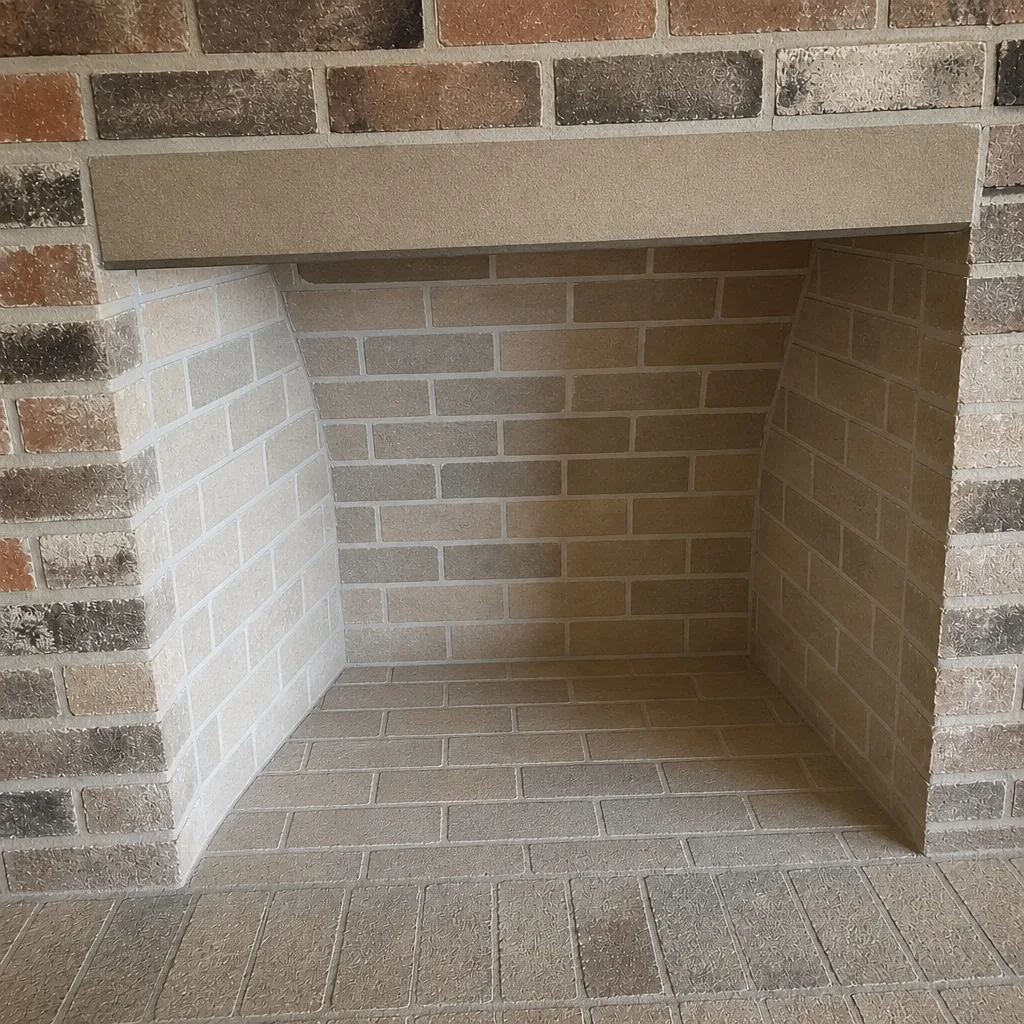
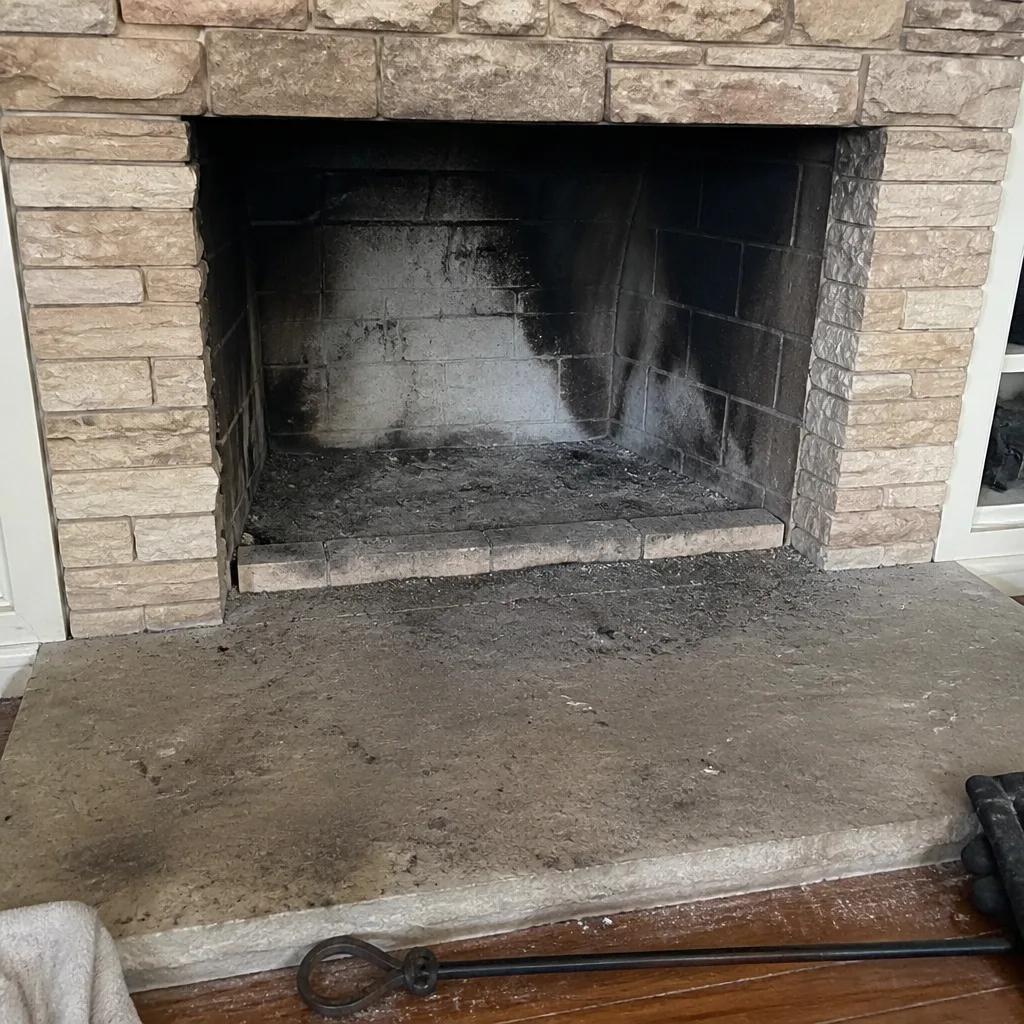
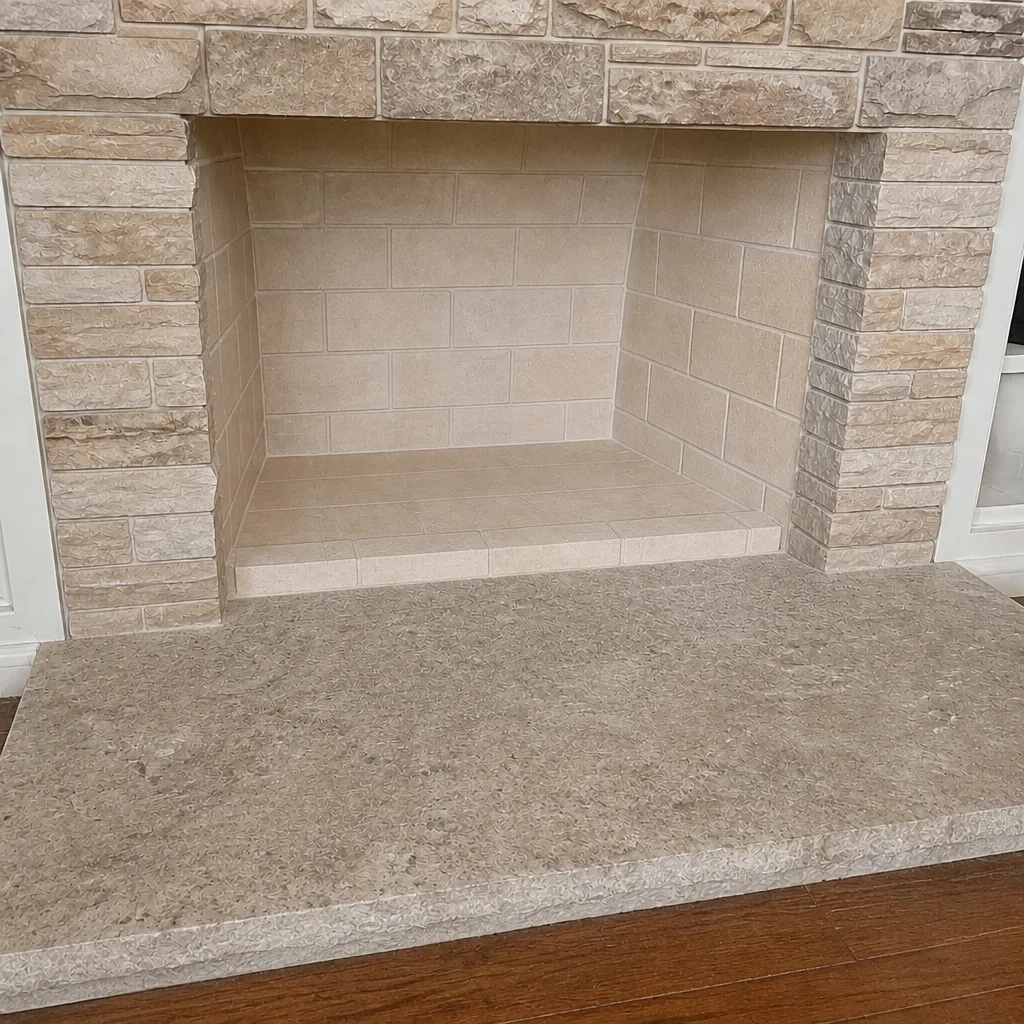
See the difference
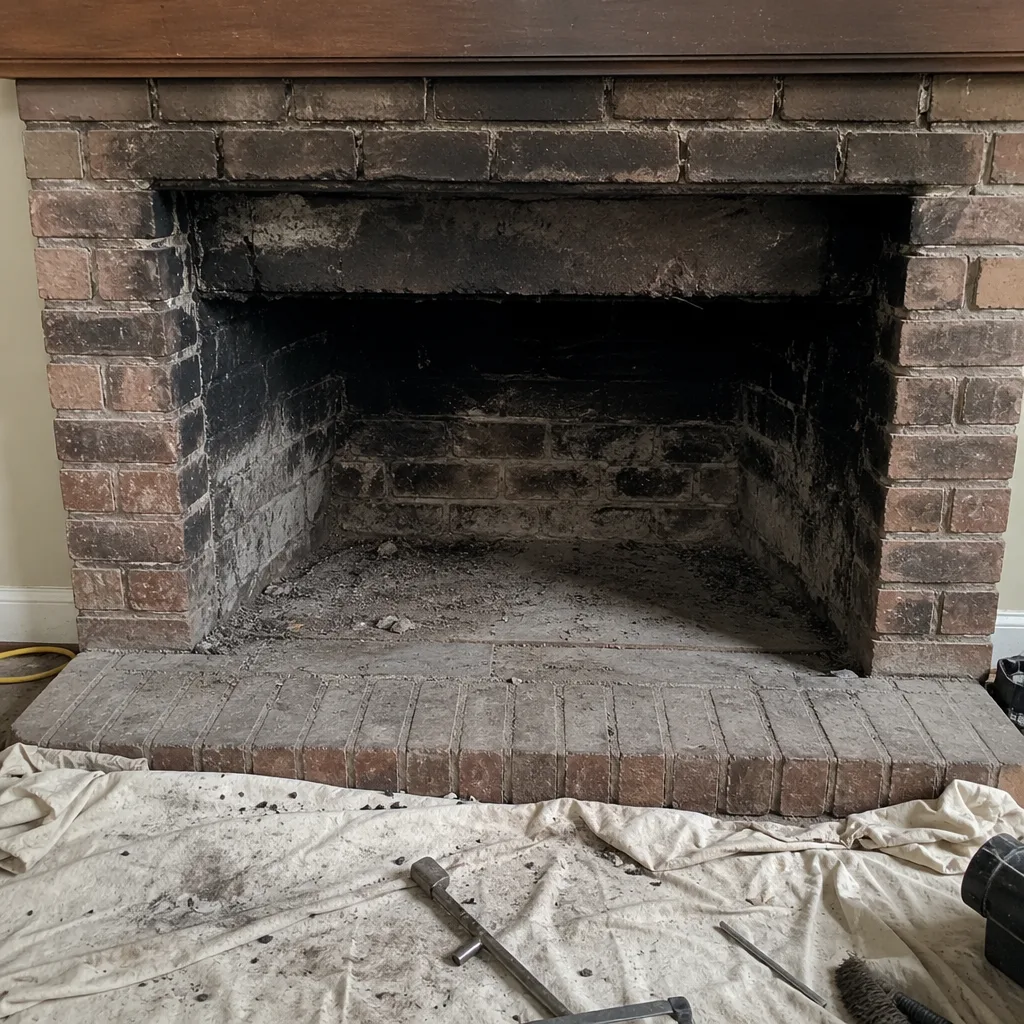 Before
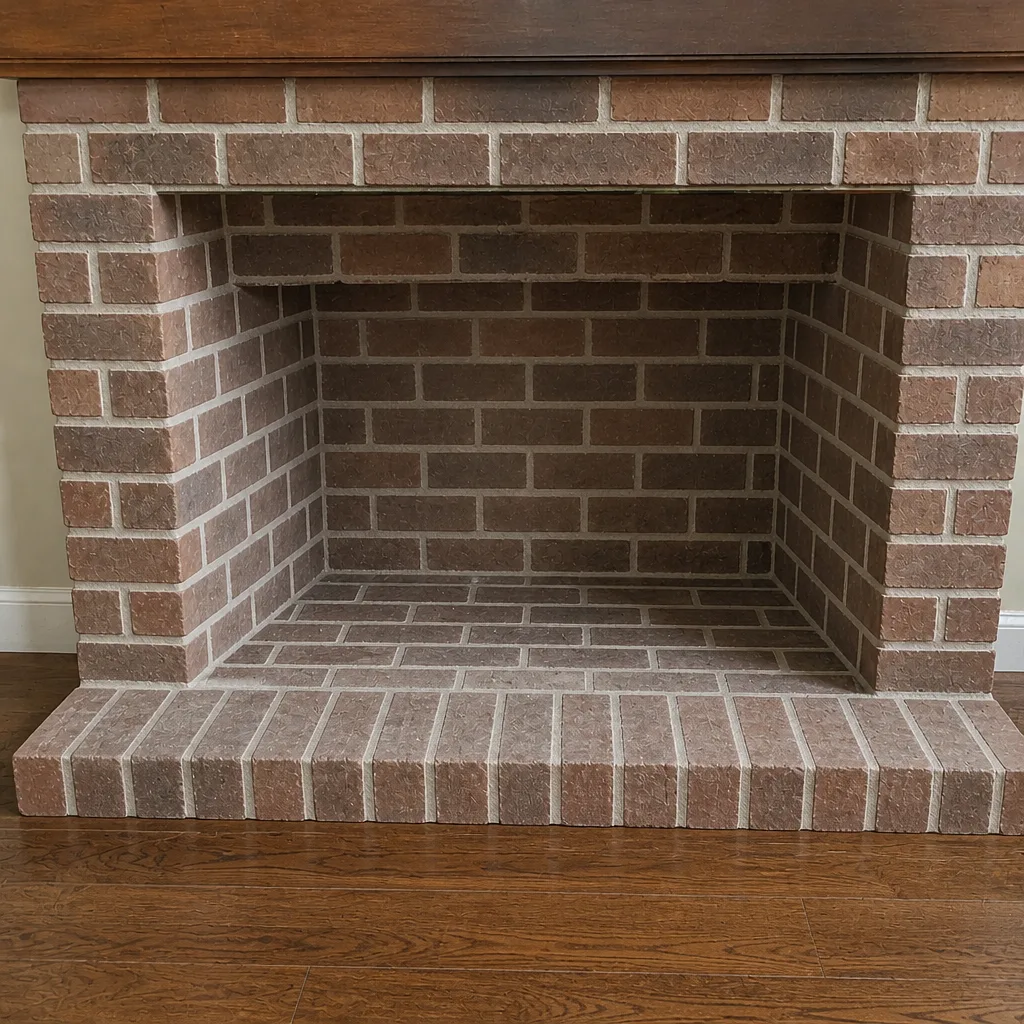 After
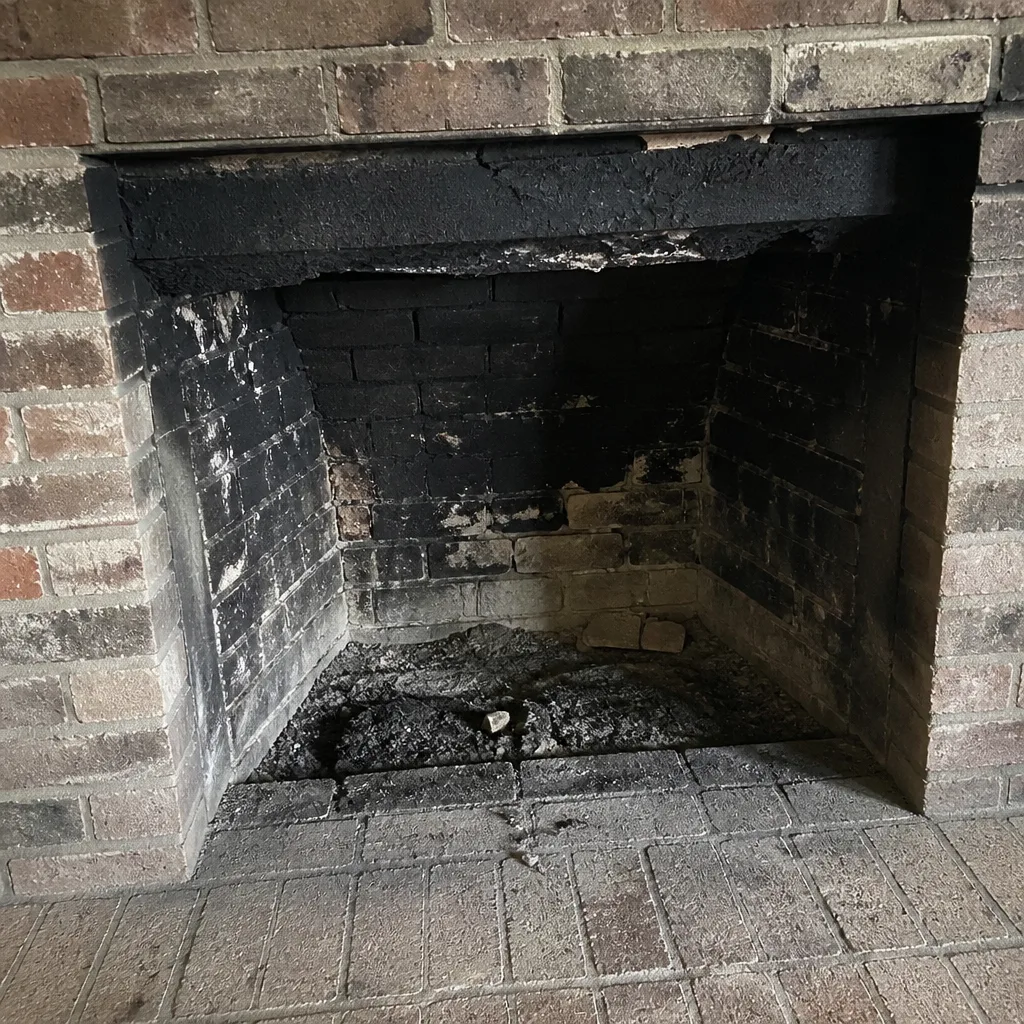 Before
 After
 Before
 After
When to Call a Professional
Call when the symptom points at the structure rather than the fire. Smoke that reverses, oil-canning flames, sulfur or chemical smells from a gas appliance, visible cracks in the crown or chase, water staining on the exterior, a chimney that’s been through a firebox fire, or any chimney more than a year without a sweep. A trained inspection is faster and cheaper than guessing, and it tells you what can wait as honestly as what can’t. A call when the fire still works is not an overreaction; a call after a chimney fire usually is not. Our technicians have up to 12 years of experience diagnosing these symptoms, and we tell you what we find in plain language. Antioch Chimney Sweep offers free estimates in Antioch. Call (844) 625-6985. We answer 24/7. Fast dispatch from 7am to 7pm, Sunday through Friday.
Frequently Asked Questions
Smoke at startup usually means the flue is cold, the damper is partly closed, or the house is under negative pressure and pulling air down the chimney. Light a small fire first to warm the flue, confirm the damper is fully open, and check whether a kitchen or bathroom fan is running. If the problem is mid-burn or persists after these checks, call for an inspection. Call (844) 625-6985 for an exact diagnosis; estimates are free.
Once a year, before heating season, is the standard schedule for a wood-burning fireplace in regular use. A chimney that sees heavy use should be checked more often. In Antioch, where the fireplace often runs from November through March, a fall sweep is the routine that prevents smoke in January. Call (844) 625-6985 to book a sweep.
Only if the lining has actually failed, and that’s a call made on camera evidence, not on a look down the firebox. A cracked or gapped liner allows exhaust into the chimney chase and is a real hazard. A liner that has some wear but is still intact doesn’t need replacement yet, and you should be able to see the difference yourself on the monitor. Call (844) 625-6985 for the inspection first; don’t replace a liner on a guess.
Creosote accumulates on the flue wall and, at the glazed stage, becomes a fire hazard inside your chimney. The chimney fire itself can crack the flue, damage the crown, and send debris into the living space. A sweep before the season is the small job; a chimney fire repair is the large one. Call (844) 625-6985 to get on the schedule.
Usually, yes, and it points to moisture getting into the structure, most often through a cracked crown. Summer humidity moves through masonry and evaporates slowly, which is why the smell is strongest in the shoulder months. A crown inspection and replacement is the typical fix. Call (844) 625-6985 and we’ll tell you from the ground whether it’s a crown job or something bigger.
Yes, and a clean flue that still smokes almost always has a cap, flue-size, or house-pressure problem. A sweep addresses creosote and soot; it doesn’t address airflow, cap design, or a flue that’s undersized for the firebox. The fix is a camera inspection, not a second sweep. Call (844) 625-6985 to book a diagnostic inspection.
The Bottom Line
Most chimney problems come down to the same three culprits: a cold or blocked flue, a cap that doesn’t match the flue, or a house that’s pulling harder than the chimney can push. The timing of the smoke, the smell, and the visible condition of the crown will tell you which one you’re dealing with. Middle Tennessee’s wet summers and freeze-thaw winters in Antioch push the crown and the flue joints into failure over time, and a routine sweep in fall catches the small problem before it becomes a structural repair. The important thing is not to guess at the cause, and not to work on the roof or the gas. Protect your home before heating season, not after a problem shows up.
When you’re ready for an answer rather than a guess, we’ll send a technician who knows what to look for. We use professional-grade materials, the same brands chimney specialists rely on nationwide, and we show you what we find. Call (844) 625-6985 for a free estimate. We answer 24/7. Fast dispatch from 7am to 7pm, Sunday through Friday.
Written by the team at Antioch Chimney Sweep.