
Last updated November 24, 2026
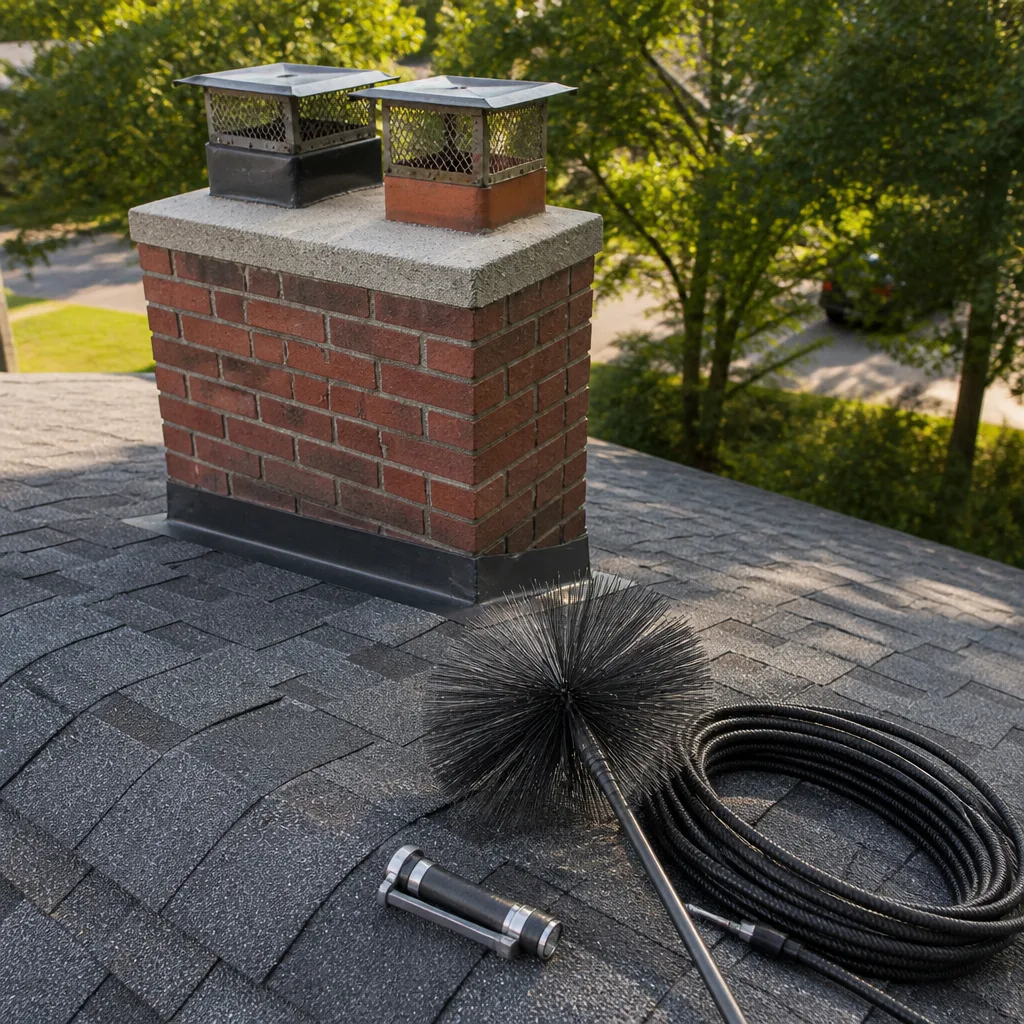 Sweep & inspection
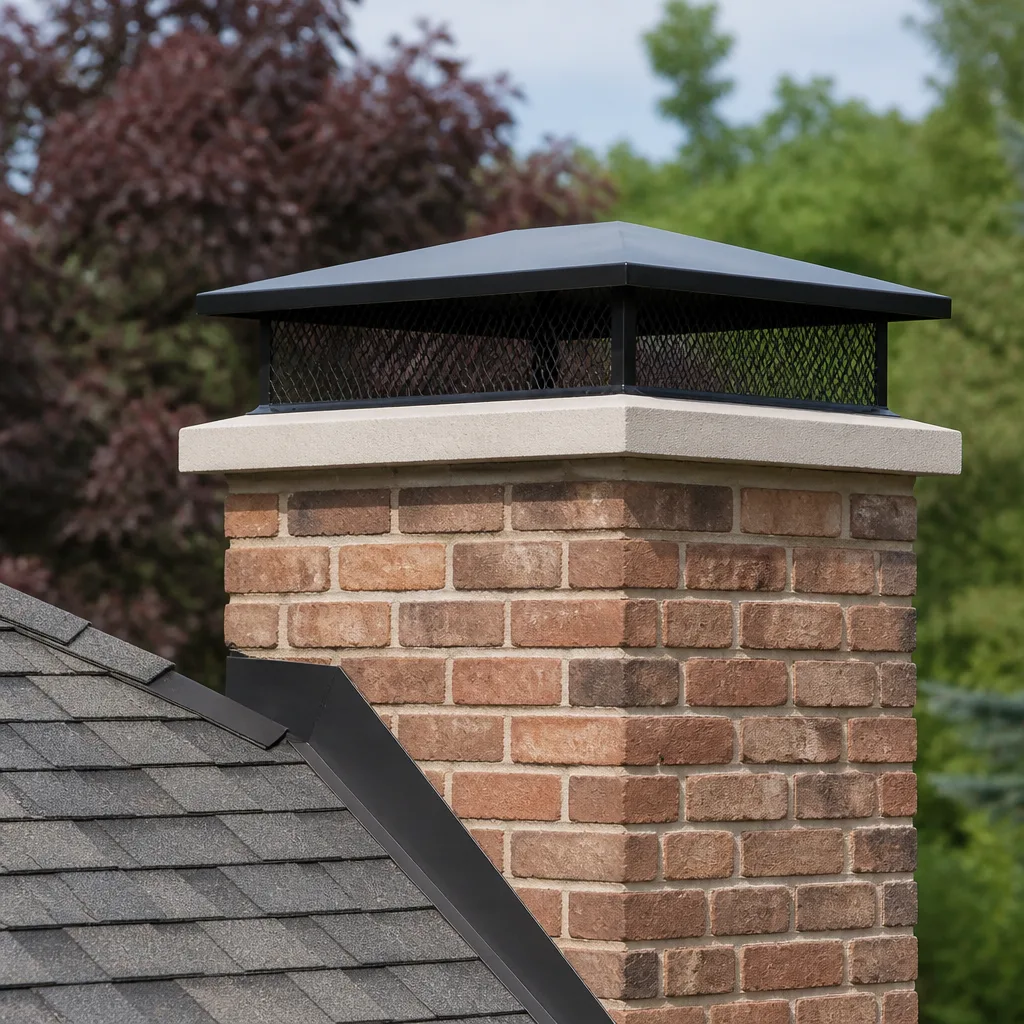 Caps & crowns
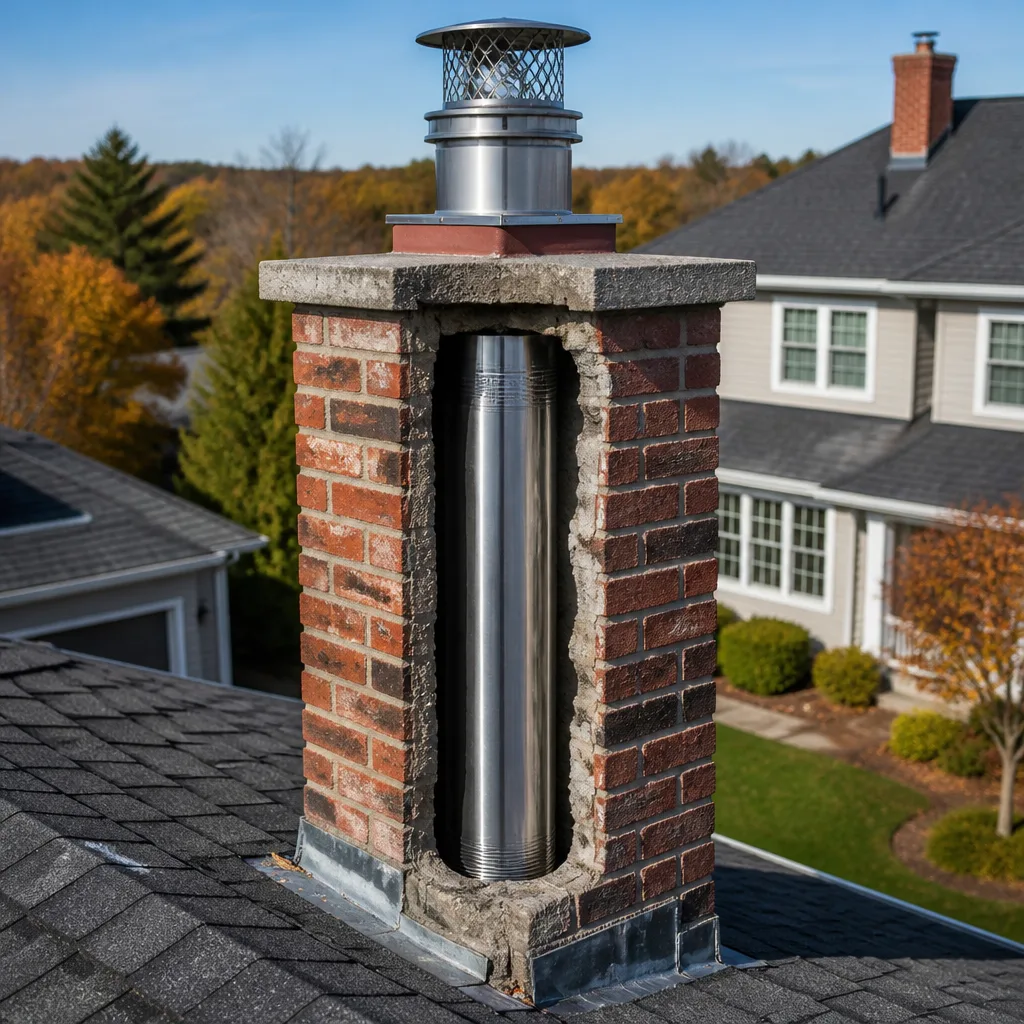 Flue relining
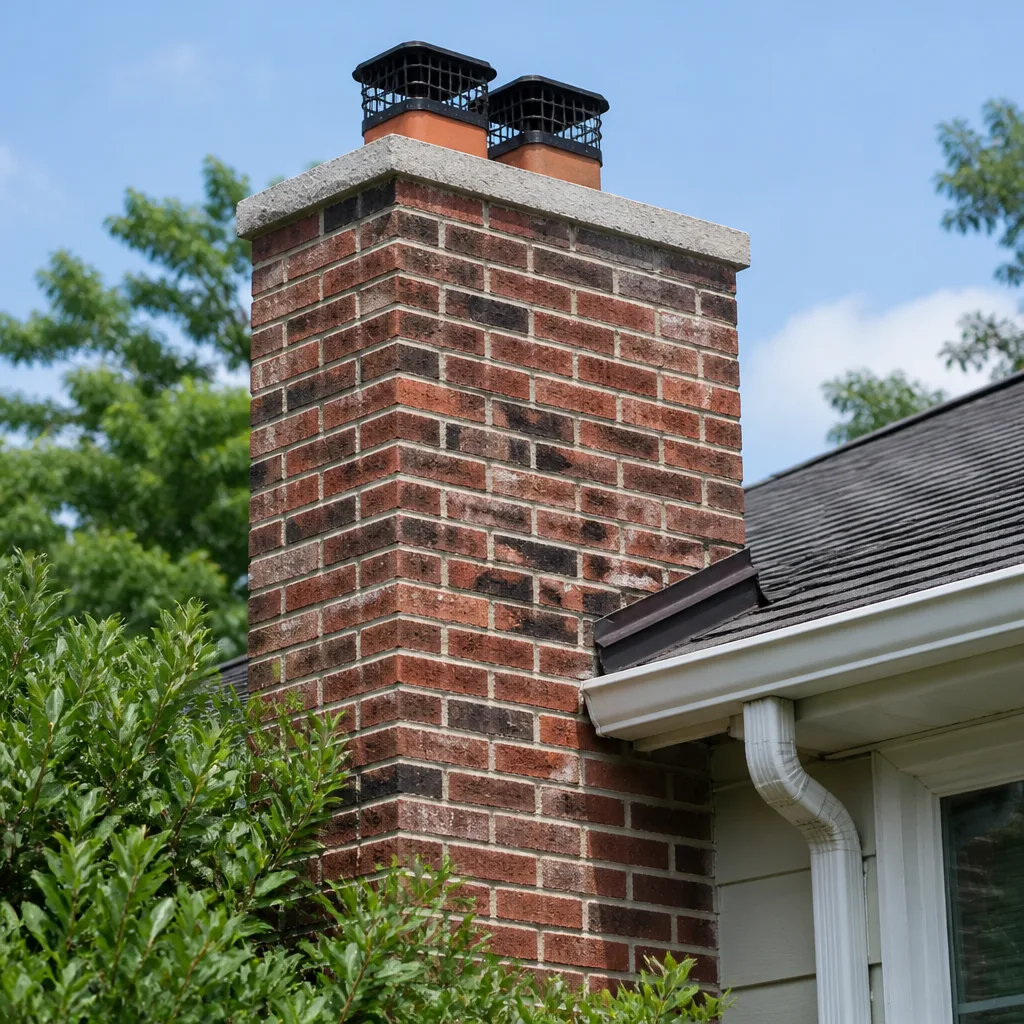 Masonry repair
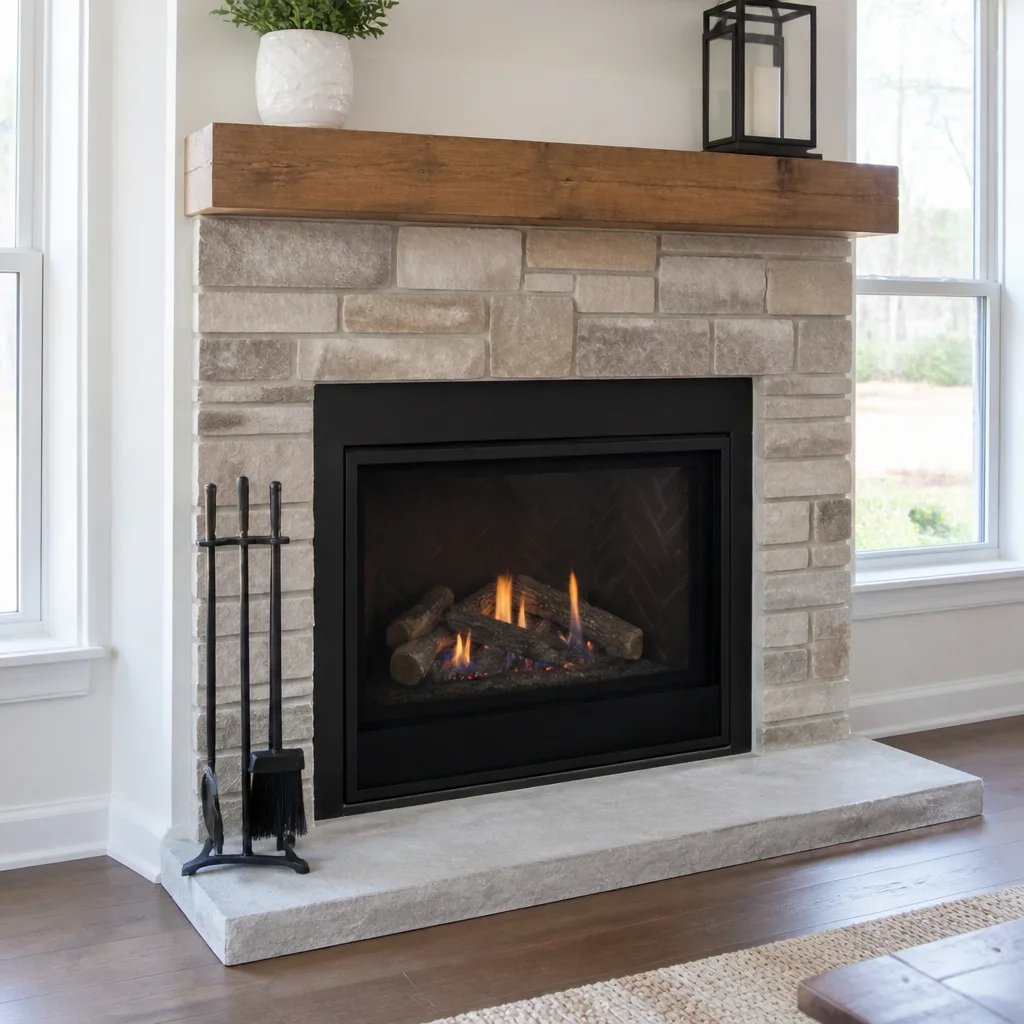 Gas fireplace service
Level 1 sweep and inspection to the NFPA 211 annual standard - flue, crown, cap, and flashing checked and photographed
Chimney sweep logs do not sweep chimneys. They loosen some creosote - which then falls where a brush and vacuum still have to collect it.
Chimney Cleaning Warning Signs: An Antioch Homeowner’s Reference Guide
Most people assume a chimney problem announces itself: a fire on the roof, a room filling with smoke, a frantic call. In our experience, it rarely works that way. Chimneys usually talk first in a whisper. A faint smell on a windy evening. A bit of black flaking on the firebox wall. A crust of white powder on the brick outside. None of that feels urgent, which is exactly why it gets ignored for one more season. The trick isn’t learning to fear your chimney. It’s learning to read it, and knowing which of the small signals you’re seeing are harmless and which are the start of something expensive. This Antioch guide is organized the way you actually notice things, from the ceiling down and from the room out, so you can match what you’re seeing to what it likely means.
Quick Answer
The main chimney cleaning warning signs are a strong campfire smell when the fireplace is cold, dark flaking creosote inside the firebox, soot falling into the room, a crumbling crown or missing cap at the roofline, whitish staining on exterior masonry, and smoke rolling back into the house. Any of these means the chimney should be inspected before you burn again. Signs that appear only in high wind, heavy rain, or a cold snap point to specific conditions you can describe clearly when you call, which helps a technician know what to look for before anyone climbs on the roof.
Styles & brands we work with
- Sweep & inspection
- Caps & crowns
- Flue relining
- Masonry repair
- Gas fireplace service
Table of Contents
- What You Notice at the Roofline
- What You Notice Inside the Firebox
- What You Notice in the Room
- What You Notice on the Exterior Masonry
- Decoding the Four Chimney Smells
- Signs That Only Show Up in Certain Weather
- The Three-Level Severity Triage
- What to Check With a Flashlight Before You Call Anyone
What You Notice at the Roofline
You don’t need to get on the roof. Most roofline clues show up with a pair of binoculars from the driveway, and that’s safer than walking a pitched roof in Middle Tennessee, where morning dew and shaded shingles stay slick longer than people expect. Stand back far enough that you can see the top of the chimney against the sky and look for these:
- No cap at all. An open flue is an invitation. Rain goes straight down the chimney, birds and squirrels nest in it, and debris collects at the bottom where you can’t reach it.
- A rusty or tilted cap. A cap that’s rusted through or sitting crooked is no longer keeping water where it should. It usually means water has had years to work down the sides.
- A missing or crumbling crown. The crown is the mortar cap at the very top that sheds water away from the masonry. When it cracks, water runs into the chimney and that’s when freeze-and-thaw damage begins.
- Faded or chipping masonry paint. Peeling paint on brick or stucco often means moisture behind it, not bad paint.
- Loose flue tiles at the top. A flue liner tile that has shifted or is missing a chunk means the protective passage inside the chimney is compromised.
Roofline clues matter because they’re the cheapest to fix early and the most expensive to ignore. A crown repair done at the first crack is minor work. The same crown left for several late-frost winters in Antioch, where the temperature swings across the freezing point, lets water into the brick and mortar again and again until the whole top of the chimney starts to flake apart. If you’re seeing more than one item on that list, it’s a good reason to book a chimney cap & crown inspection along with the sweep. A cap and crown is also what keeps future nests and future water out, so it earns double duty.
What You Notice Inside the Firebox
This is where the most useful visual information lives, and you can see almost all of it with a flashlight from a couple of feet away. Wait until the fire is completely out and the firebox is cold. Then look up, look around, and look at the walls.
- Look up toward the damper. Shine the light up the flue. If you can see creamy-brown, glossy, or tar-black crust on the walls, you’re looking at creosote. The glossy and tar texture is the dangerous kind because it’s the most combustible.
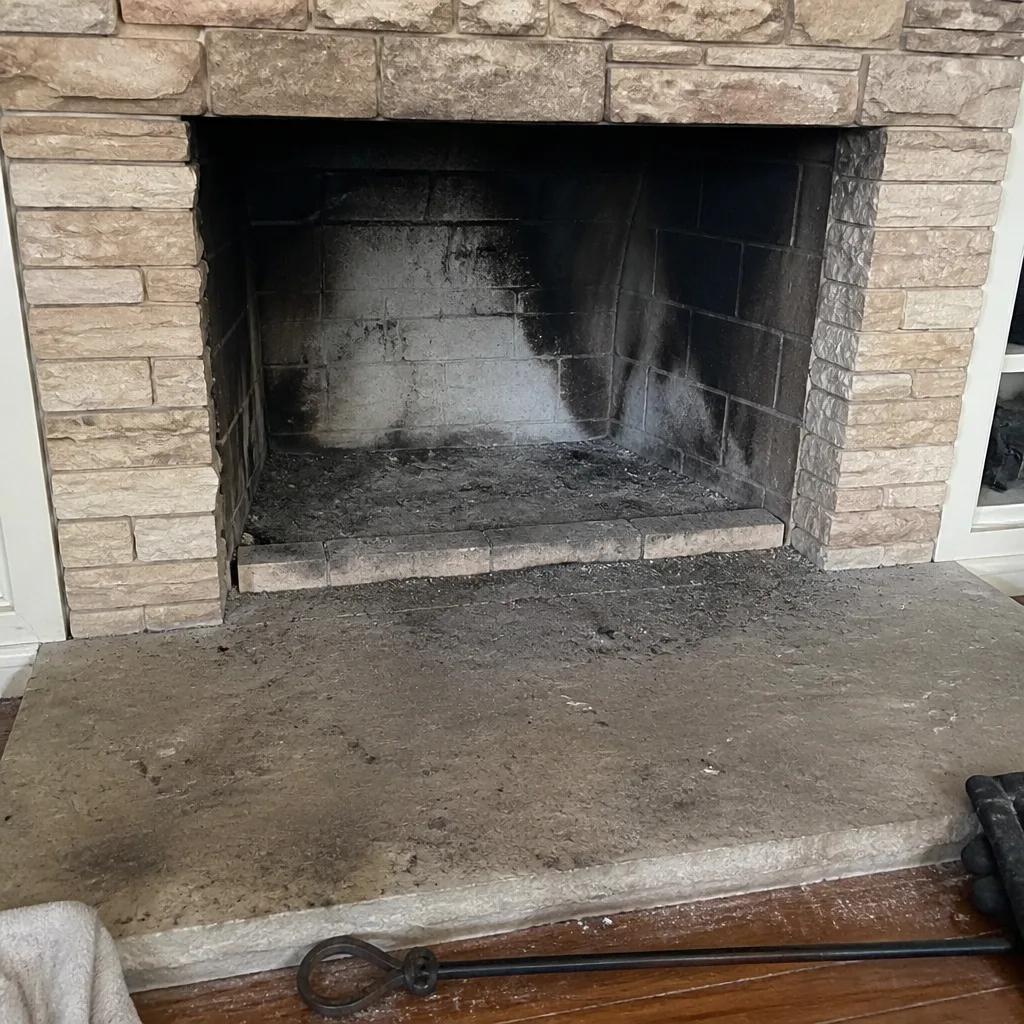
- Look at the firebox walls. Flaking, soot-soft scale or shiny black deposits mean the flue is calling for a cleaning. A soft soot that smears like charcoal dust is different from the hard glazed crust and both mean clean.
- Look for creosote crumbs in the firebox floor. Fallen black flakes mean deposits above have built past what’s normal.
- Look at the mortar joints between firebrick. Soft, crumbly, or receding mortar is a repair item. Gaps in firebrick joints let combustion heat past the firebox, which is how a fire finds its way into a wall.
- Look for a rust line or watermark. A dark stain on the metal firebox parts or rusty damper hardware usually points to water coming down from above.
- Look for animal evidence. Nesting material, shells, droppings, or a bird flapping around the firebox are all signs the chimney has no working cap.
Inside the firebox, one of the classic signs of a dying flue liner is a shiny black glaze mixed with bits of white flaking. It means previous fires burned hot and wet. Modern gas and wood appliances need a sound flue, and where a liner is cracked or deteriorated, we can restore the flue passage with a HeatShield resurfacing system rather than tearing the chimney down. That’s the advantage of an inspection-first approach: you find the liner problem before it becomes a masonry problem.
What You Notice in the Room
The room is where the chimney sends its most insistent messages, and these are the ones to take most seriously because several are safety findings, not cosmetic.
- A cold-fireplace smell that gets stronger on windy days. If the room smells like a campfire when there’s no fire, air is moving the wrong way through the chimney. That’s a warning, and it’s the reason this guide leads with it. It can mean a blockage, a cold flue, or pressure problems that push exhaust back into the house.
- Soot or dust settling on the mantel and furniture. Fine black dust on nearby surfaces usually means a pressure problem or a flue that’s not drawing properly.
- Smoke rolling back into the room while a fire burns. Some smoke when you first light a fire is normal. Smoke that keeps spilling after the chimney should be warm is not. This is a combustion spillback event and should be treated as a stop-sign.
- A carbon monoxide alarm going off. This is not a “call tomorrow” sign. Get everyone outside to fresh air and call from a safe place. The fire department recommends treating a CO alarm as an emergency, and so do we.
- Chimney chase making noise when there’s no wind, or when you’re not running the fireplace. Scratches, tapping, or animal sounds mean a critter, which means there’s an entry point to find.
Carbon monoxide is colorless and odorless and is the single reason we take combustion spillback so seriously. A fireplace should push exhaust out, always and every time. If you’ve noticed any of these in your room in Antioch, that’s the point to stop using the fireplace until it’s inspected.
What You Notice on the Exterior Masonry
Walk around the outside of the house and look at the section of chimney that rises above the roofline and the part where the chimney meets the wall. Some findings here are weather-and-time cosmetic. Others are the slow beginning of structural damage.
- White, chalky staining on brick. Powdery white deposits that come back after you brush them off mean moisture is migrating through the masonry and drying on the surface.
- Spalling brick. A brick face that flakes, peels, or pops off in layers is the classic freeze-thaw casualty. Water gets in, freezes, expands, and pushes the face off. In our climate, the swings are what do it.
- Crumbling mortar joints. Recessed, sandy, or missing mortar lets water in and weakens the stack from the outside in.
- Tilting. Stand at a corner and sight up the outside wall against the edge of the chimney. Any visible lean gets a call today, not next season.
- A black streak running down the exterior. That’s smoke and creosote escaping from the flue top, which tells you the flue is backing up or the crown has failed.
- Gaps at the flashing. Where the chimney passes through the roof, the metal flashing is what keeps rain from running inside. Lifting or missing flashing shows up as water stains on the ceiling inside.
Exterior damage is often the most visible and the easiest to misread. A slightly cracked crown and some flaking paint looks cosmetic until it isn’t. When it’s structural, restoration work with HeatShield or a stainless DuraFlex liner is how a chimney in Antioch gets brought back instead of rebuilt.
Decoding the Four Chimney Smells
Smell is the sense that catches chimney problems before anything else, but only if you know that different problems smell different. This is the most under-used diagnostic tool a homeowner has. Four smells come up again and again:
- Campfire / creosote. A strong, resinous smoke smell in a room with a cold fireplace signals creosote deposits and often reverse draft. The bigger the deposits, the more noticeable the smell. If the fireplace wall is behind the smell, don’t light a fire until it’s swept.
- Damp, musty, wet-cell. The basement-brick smell is moisture. Either rain is getting in through the crown or cap, or water is trapped in a liner that can’t dry. Moldy, earthy odor is a moisture problem.
- Animal / nesting / droppings. A sharp, ammonia, hay-and-critter smell near the fireplace or chase means something has moved in. Most chimneys in Antioch are an easy entry in the right season if there’s no cap.
- Exhaust, gasoline, or something burning that isn’t the fire. This one is the dangerous one. An exhaust or fuel-like smell inside the house is a strong sign of combustion spillback. Get out, get to fresh air, and call from outside. Don’t relight the fireplace to “see if it’s still there.”
One note on smell testing: don’t stick your head in the firebox. Weak appetite for practical detail aside, the correct reading position is a couple of steps back from the fireplace with your nose in the room air. Smell the room, not the fire. A campfire smell that’s only there after a cold snap and goes away on warm days is different from one that’s there all the time; get a flashlight look before you decide, and tell the technician which one it is.
Signs That Only Show Up in Certain Weather
Some chimney problems are conditional. They only appear when the weather pushes them, and those are the calls that get skipped because the symptom goes away. Here’s what each condition pattern likely means:
- High wind. A smell or a puff of smoke that only happens on windy days points to downdraft and pressure problems. Wind blowing across the chimney top can overcome a weak or blocked flue and shove exhaust back down the chimney. Wind-triggered smells or spilling mean the flue needs an inspection; a tall flue cap or a top damper may be part of the fix.
- Heavy rain. Water in the firebox during rain is water getting past a missing or failed cap or crown, or past a cracked flue tile. If it’s only during rain, cap and crown are the first suspects. Note that a chimney that stays dry until serious rain usually has a specific leak point.
- Cold snaps and temperature drops. A cold chimney doesn’t draw. If your first fire of a cold morning smokes into the room before warming up, that’s a normal warm-up draft. If the spillback keeps happening after the flue is warm, or if a smell escalates as the outside temperature drops, that’s a real reverse draft or blockage. Our climate in Antioch swings hard through winter, so these show up in mid-season.
- Humid, still summer air. A faint creosote smell in summer that wasn’t there in spring is often just the deposits off-gassing in warm air. Still a cleaning item, less urgent.
Write down which weather each sign shows up in. That one line, “only on windy days” or “only during heavy rain,” is genuinely useful to a technician and shortens the visit. It’s the difference between chasing a ghost and finding a leak.
The Three-Level Severity Triage
Not every warning sign is urgent, and treating them all the same is how people either panic or ignore something real. Sort what you’re seeing into three buckets:
- Stop using the fireplace now. A CO alarm, smoke that rolls into the room with a warm flue, a smell of exhaust indoors, a visible crack in the flue liner, a damaged firebox, or a chimney that’s leaning or visibly pulling away from the house. Don’t burn. Get an inspection and stay out of the fireplace until someone tells you it’s safe.
- Schedule soon, within the season. Strong creosote smell, sooty flakes in the firebox, soot on surfaces, water in the firebox during rain, a missing or rusted cap, a cracked crown, or animals in the chase. These aren’t “leave the house” findings, but they get worse with every fire and every storm. Book a sweep and inspection before the heating season gets busy.
- Note it for the next visit. A faint summer smell, some paint peeling on the exterior, a little soot on the mantel, one minor crack in the crown. These get written down and checked at the next service, and they’re the items that show up on a list once a year rather than a stress every week.
The bucket system exists so you don’t have to make the call alone in the moment. If a sign lands in the first two buckets, that’s a professional’s call, and it should be based on what’s actually inside the chimney, not what a homeowner can see. Our inspections exist to move the decision from guesswork to evidence, and we can tell you plainly when work can safely wait.
What to Check With a Flashlight Before You Call Anyone
You don’t need to inspect your chimney. You just need to gather enough detail to tell us what’s actually happening. Ten minutes and a flashlight gives you that. Here’s the short list of what to look at:
- Look up the flue. From a safe standing position in front of the firebox, angle a light up the flue. Note the color and texture: soft soot, brown and crumbly, or glossy and tar-black.
- Look at the firebox walls and mortar. Note any cracks in the firebrick, or joints that have receded.
- Look at the damper. Try opening and closing it. Does it move freely? Does it sit flat?
- Look at the firebox floor. Note creosote crumbs, ash depth, or nesting material.
- Look at the room around the fireplace. Note where dust collects and how far from the firebox it appears.
- Look outside from the ground. Note the crown, cap, flashing, and masonry from a distance with binoculars.
Skip the roof. Skip dismantling anything. Write down the weather conditions under which each sign shows up and have the notes ready when you call. That’s the whole prep. What we don’t want is a homeowner getting on a roof or reaching into a chimney with a wire brush to “see if that fixes it.” Chimney work involves heights, and creosote is a fire hazard with a flashpoint low enough to be genuinely dangerous.
Common Mistakes to Avoid
- Assuming a cold-fireplace smell is just a draft. It’s often the first sign of a reverse draft or a blockage. A draft you can feel is normal; a draft that carries smoke smell into a closed room is not.
- Skipping the annual inspection because the fireplace “worked fine last year.” Creosote builds every fire, and the flue doesn’t clean itself. Last year’s clean flue can be this season’s fire risk.
- Lighting a fire to test a spillback. If smoke rolled into the room once, testing it again adds a fire and CO risk. Call first, and don’t relight until it’s checked.
- Buying a cap or a liner off the shelf and installing it yourself. A cap’s job is to fit the flue precisely and hold up to weather and wind. We install Gelco and Famco caps, Pro-grade components specified for chimney use, not consumer hardware-store parts. A misfit cap makes the crown situation worse.
- Ignoring white staining on brick. It’s not hard water. It’s moisture moving through the masonry, and it’s the earliest warning your exterior gives you. Brush it off and it comes right back, which is the tell.
- Treating a CO alarm as a nuisance wake-up. A CO alarm firing on its own is a life-safety signal, not an inconvenience. Get out, get to fresh air, and call from outside.
- Waiting for the fall rush to book the sweep. In Antioch, the whole neighborhood prepares for heating season at the same time. Schedule the inspection in late summer or early fall, before the calendar fills.
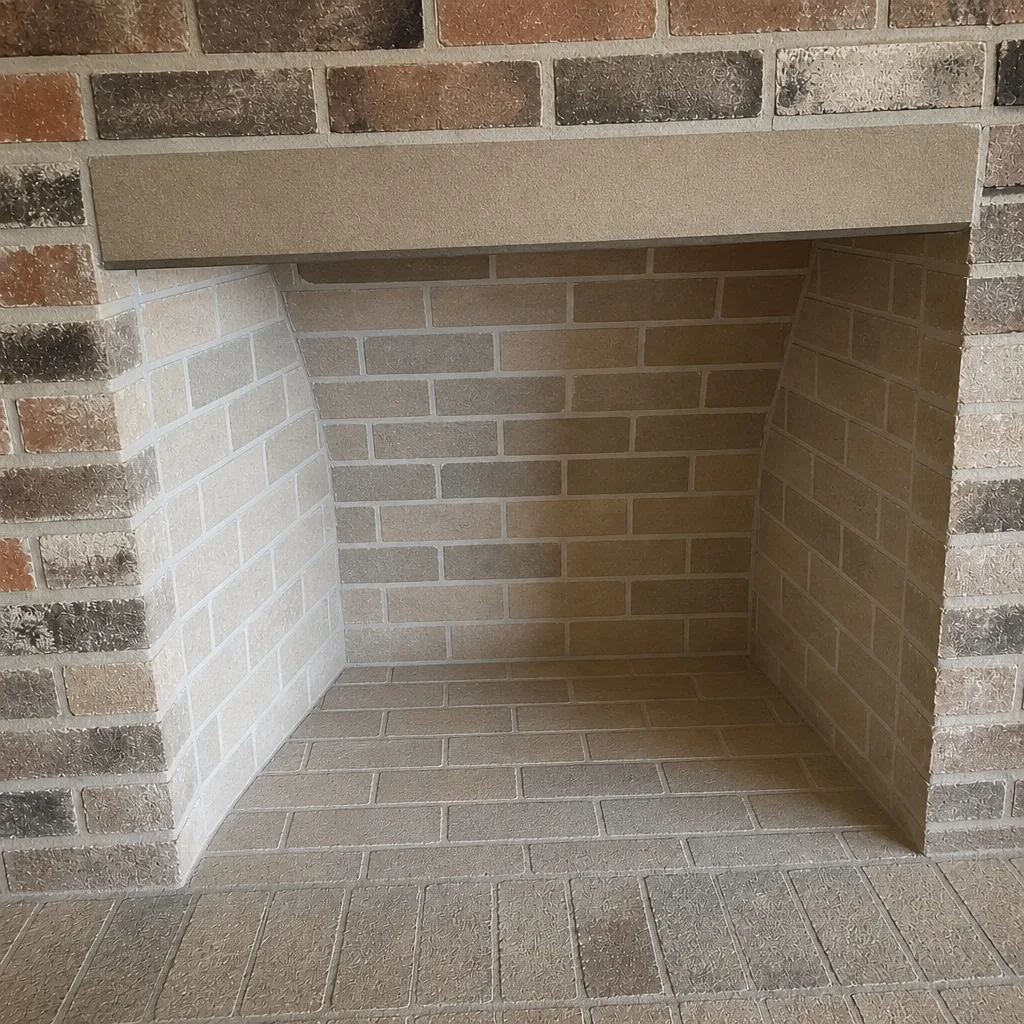
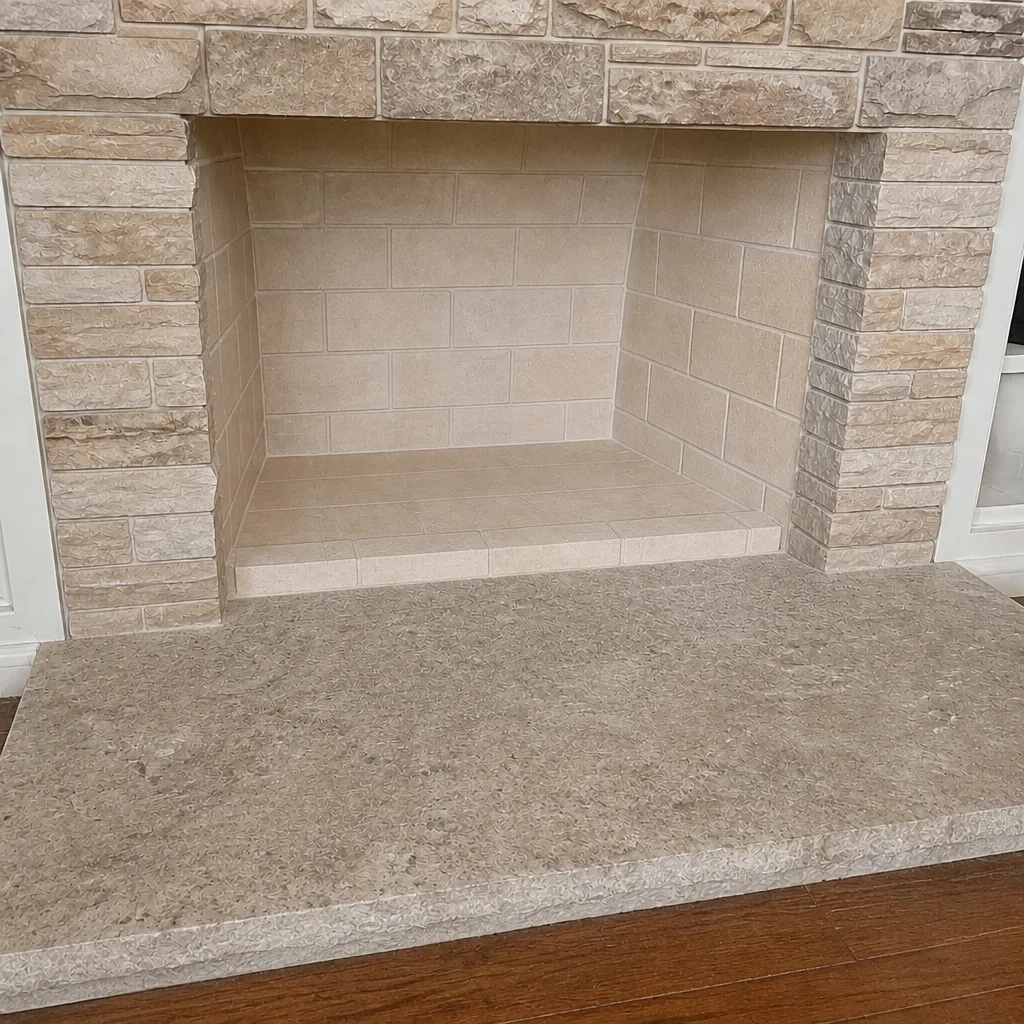
See the difference
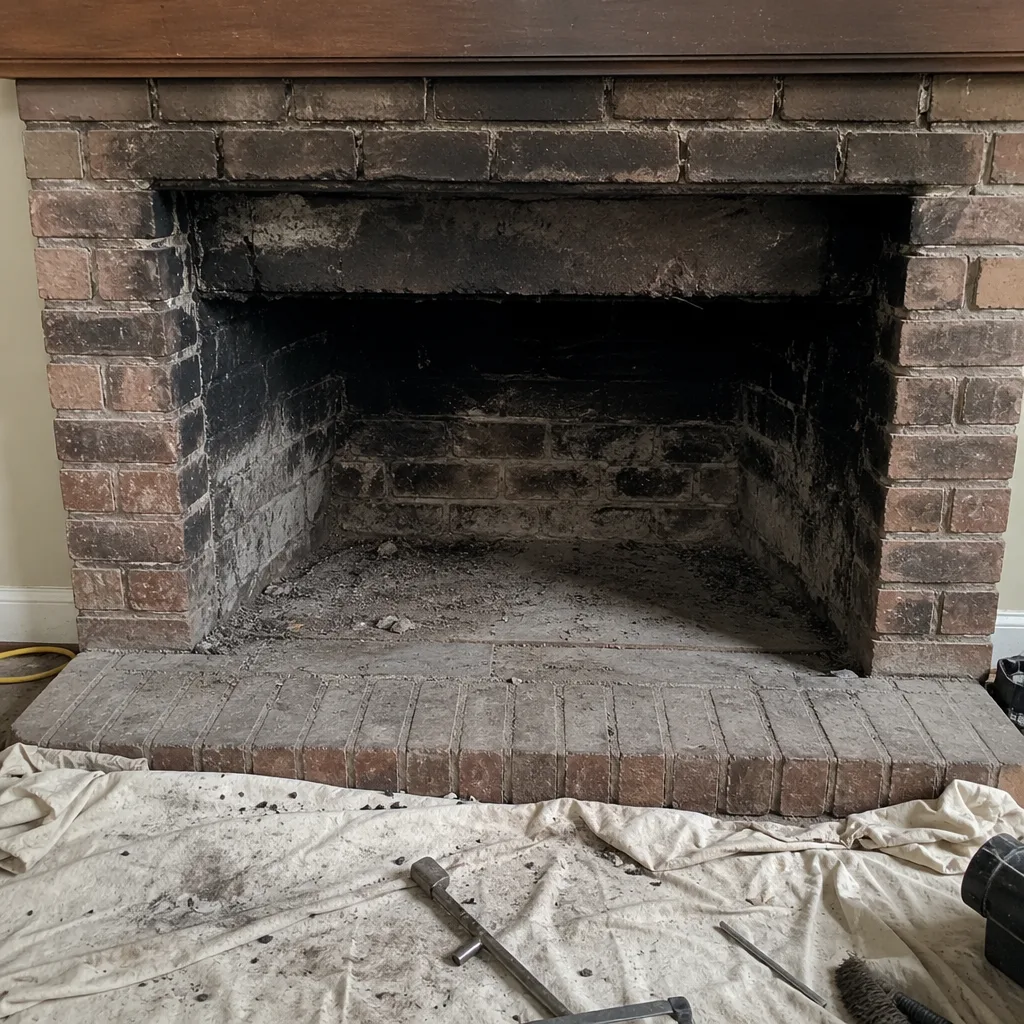 Before
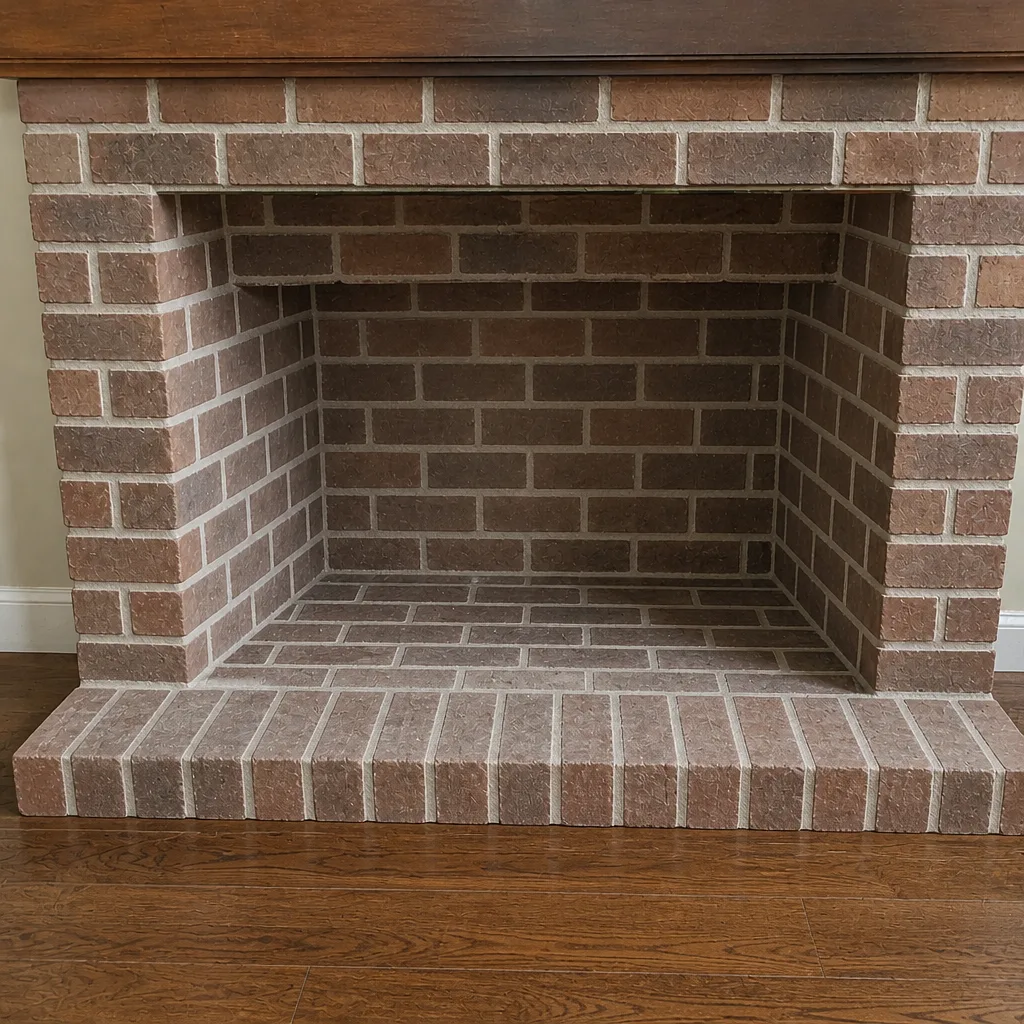 After
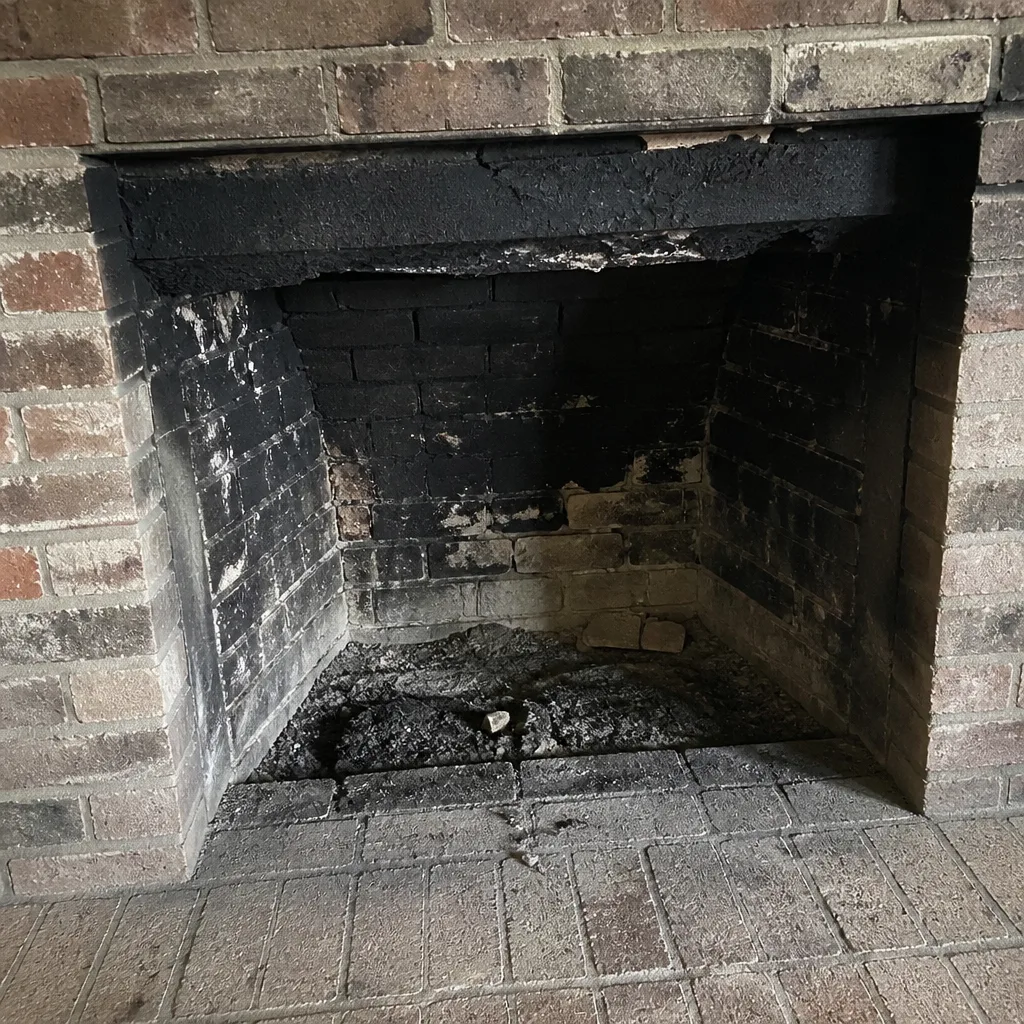 Before
 After
 Before
 After
When to Call a Professional
Call a professional if you saw any of these: a CO alarm, smoke or exhaust inside the house, a fireplace that smells strong with a cold flue, creosote crust visible in the firebox, a missing cap, a cracked crown, water in the firebox during rain, or a chimney that has visibly cracked, shifted, or started to lean. Also call if the chimney simply hasn’t been inspected in years and you’re not sure what’s inside. Call if you don’t know where the fireplace stands. We’d rather inspect a chimney that’s fine than sweep one that’s become a fire hazard. Antioch Chimney Sweep works in Antioch and treats the chimney from one source, so inspection, cleaning, and any cap, crown, or repair work all land in one place. Rates are set per job by the written estimate. Call (844) 625-6985 for a free estimate. We answer 24/7. Fast dispatch from 7am to 7pm, Sunday through Friday.
Frequently Asked Questions
Chimneys that get a fire year-round should be inspected once a year and swept whenever the creosote buildup calls for it. A hearth that’s used heavily through a Middle Tennessee winter benefits from an inspection before the season opens so the flue goes into heating season clean. If you burn often, or if a smell or deposit tells you it needs it sooner, book a sweep ahead of that.
Not always. A campfire smell with a cold fireplace usually means creosote deposits plus reverse draft, and while a sweep is common, the flue sometimes just needs a proper inspection. The important point is whether it appears on its own, in high wind, or after a temperature drop. Tell us the pattern and we’ll know where to look. Call (844) 625-6985 for a free estimate, and we’ll look before we recommend.
No. White chalky staining on exterior brick is moisture moving through the masonry, and it brings freeze-thaw damage with it. It’s the earliest warning the outside of the chimney gives you, and repair before winter is far cheaper than repair after the masonry has spalled.
Get everyone, including pets, out of the house to fresh air and call from a safe place. Don’t relight the fireplace and don’t call it normal. A CO alarm means combustion gas has spilled into the house, and a combustion spillback is a stop-use event until the chimney is inspected.
Yes, and it does damage whether or not a fire is burning. Without a cap, rain runs straight down the flue, animals nest, and debris collects at the bottom where you can’t clean it. A properly installed cap is one part of a chimney being sound. It’s the reason cap and crown work is part of what we install.
If the sign is a crack in the firebox, a partially cracked flue tile, smoke spilling into the room, or an exhaust smell, stop using the fireplace. Shadows and textures are normal in a firebox, so don’t overcorrect; but when a sign is specific and repeats, treat it as a stop. A sweep and inspection settles which bucket your chimney belongs in, and we’ll tell you plainly.
The Bottom Line
Chimney problems aren’t silent, and they aren’t random. They announce themselves at the roofline, inside the firebox, in the room, and on the exterior masonry, and often through smell before anything else. The homeowner’s job isn’t to diagnose the chimney; it’s to notice, note which weather makes it show up, and share it with someone who works on chimneys for a living. Every warning sign you can spot with a flashlight is a sign that’s better read than ignored. If you’ve noticed anything on this list in your Antioch home, get a free estimate at Antioch Chimney Sweep, and we’ll inspect the chimney, show you what’s inside, and be straight with you about what actually needs fixing. Call (844) 625-6985. We answer 24/7. Fast dispatch from 7am to 7pm, Sunday through Friday. And when it’s time for a routine cleaning, book a chimney sweep before the heating season rush; if the firebox itself needs work, that’s handled as fireplace repair, all in one place. Our technicians have up to 12 years of experience, and we only work on chimneys and fireplaces.
Written by the team at Antioch Chimney Sweep.