
Last updated November 24, 2026
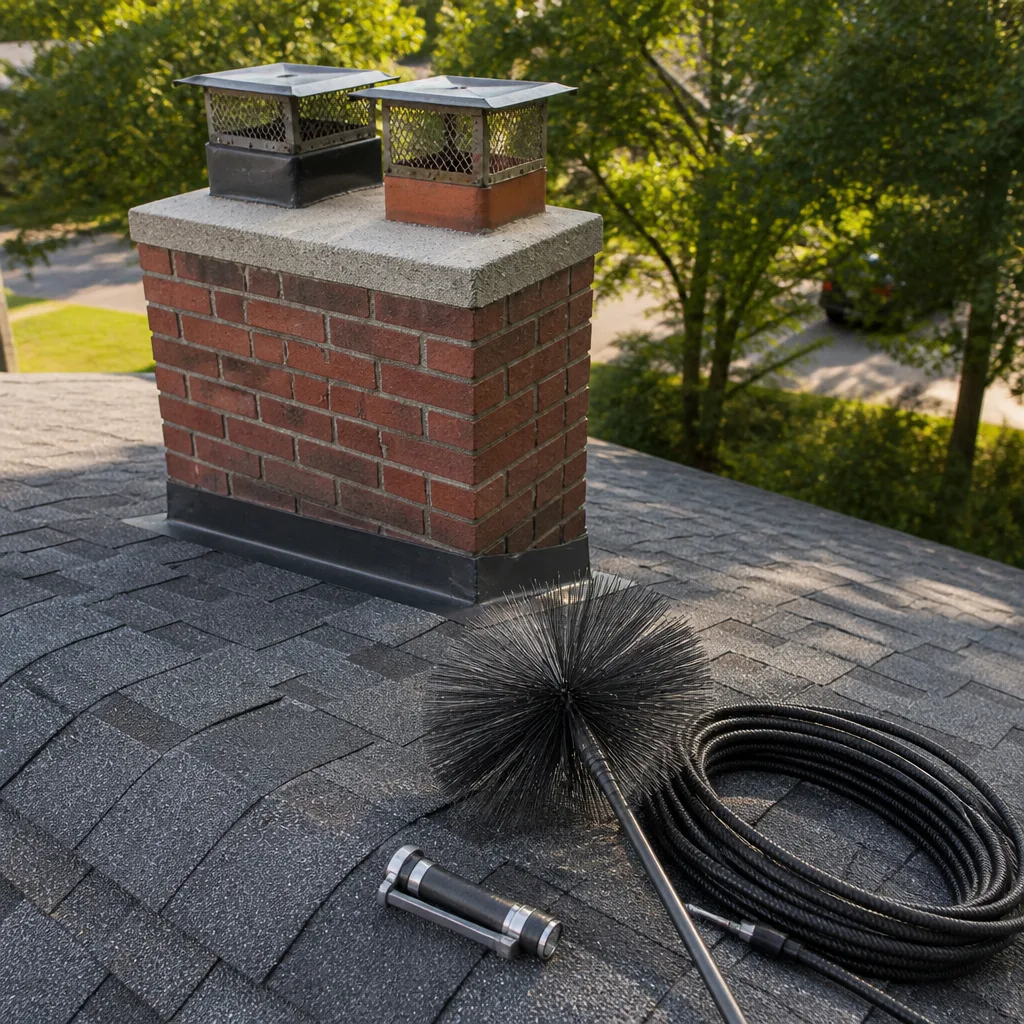 Sweep & inspection
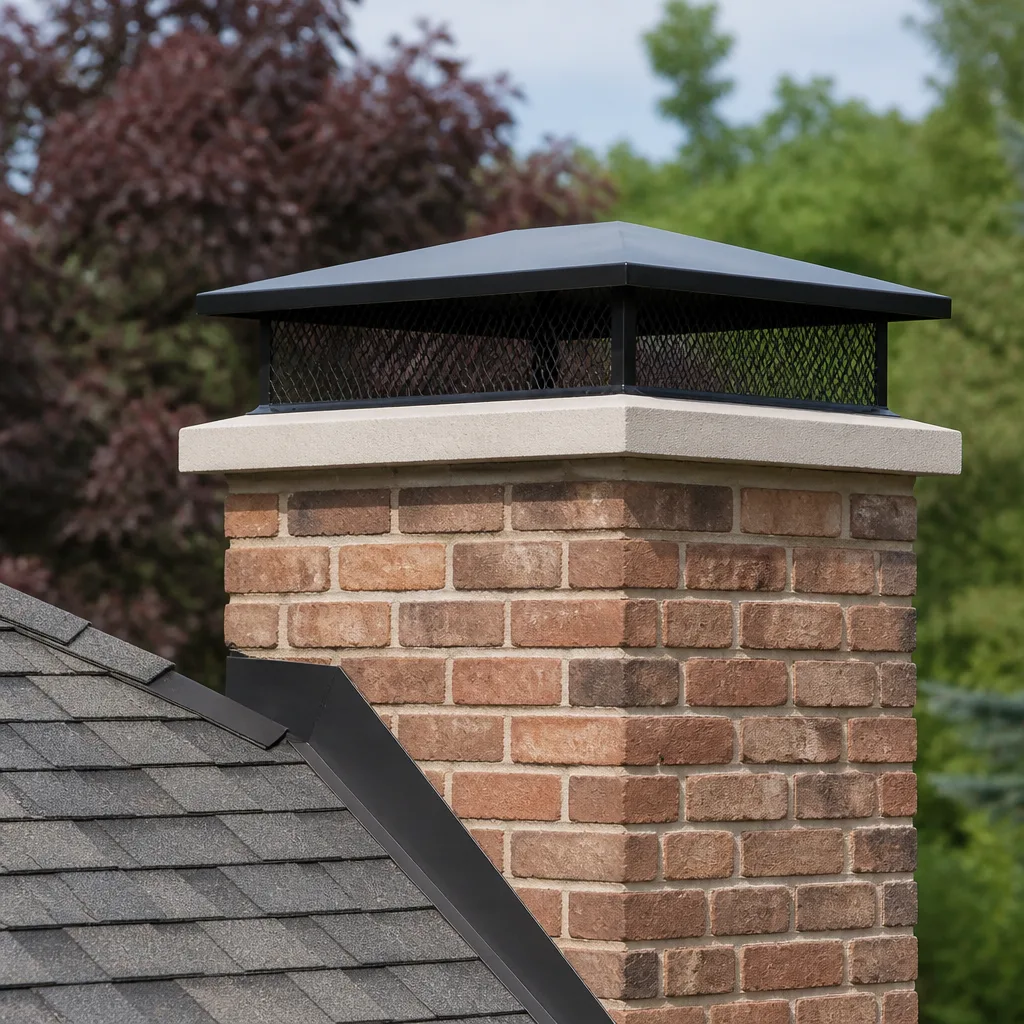 Caps & crowns
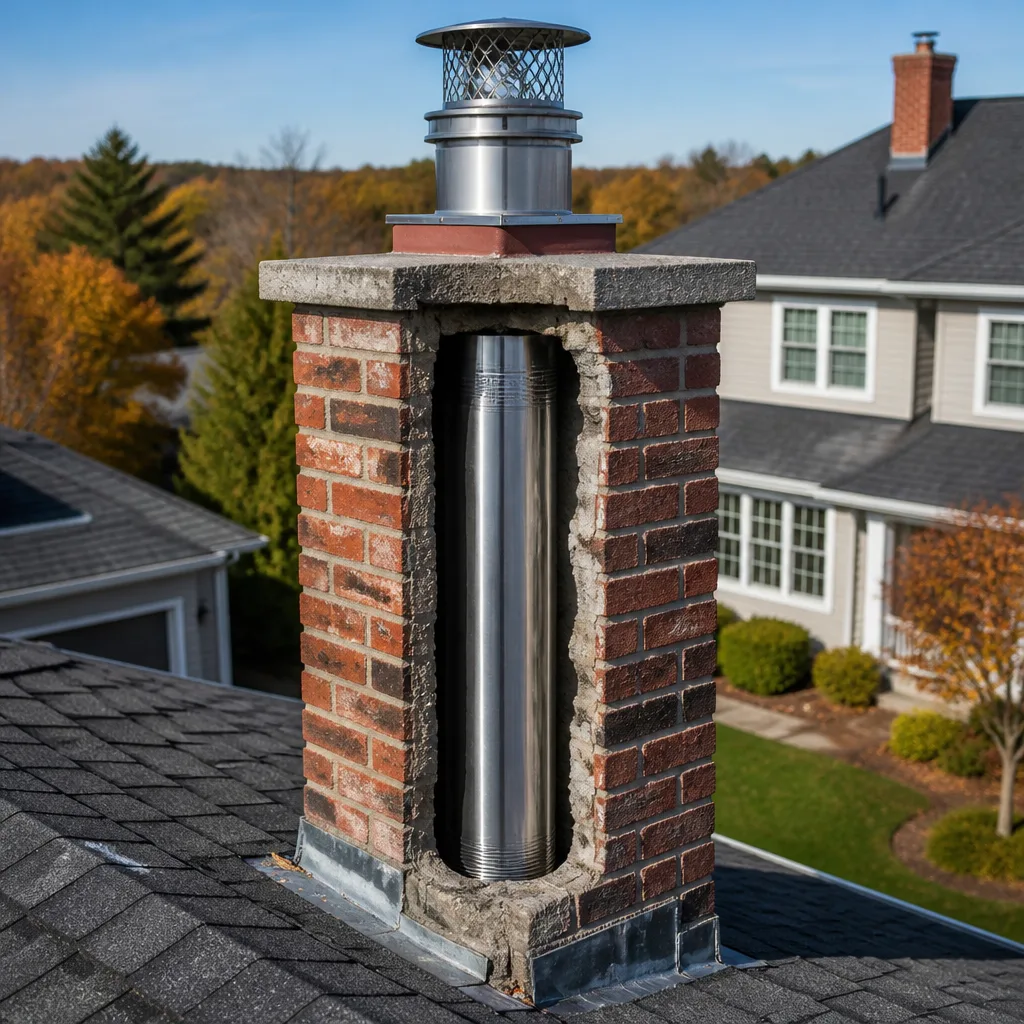 Flue relining
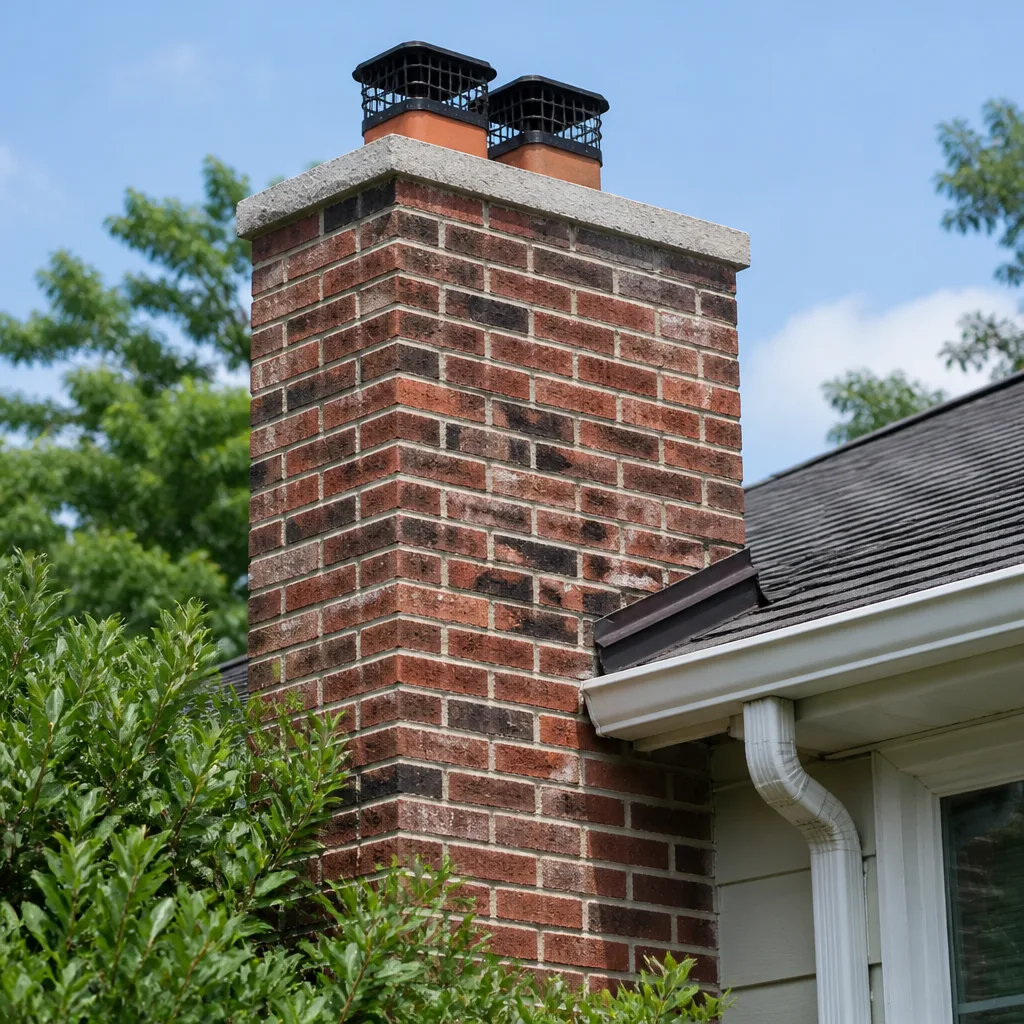 Masonry repair
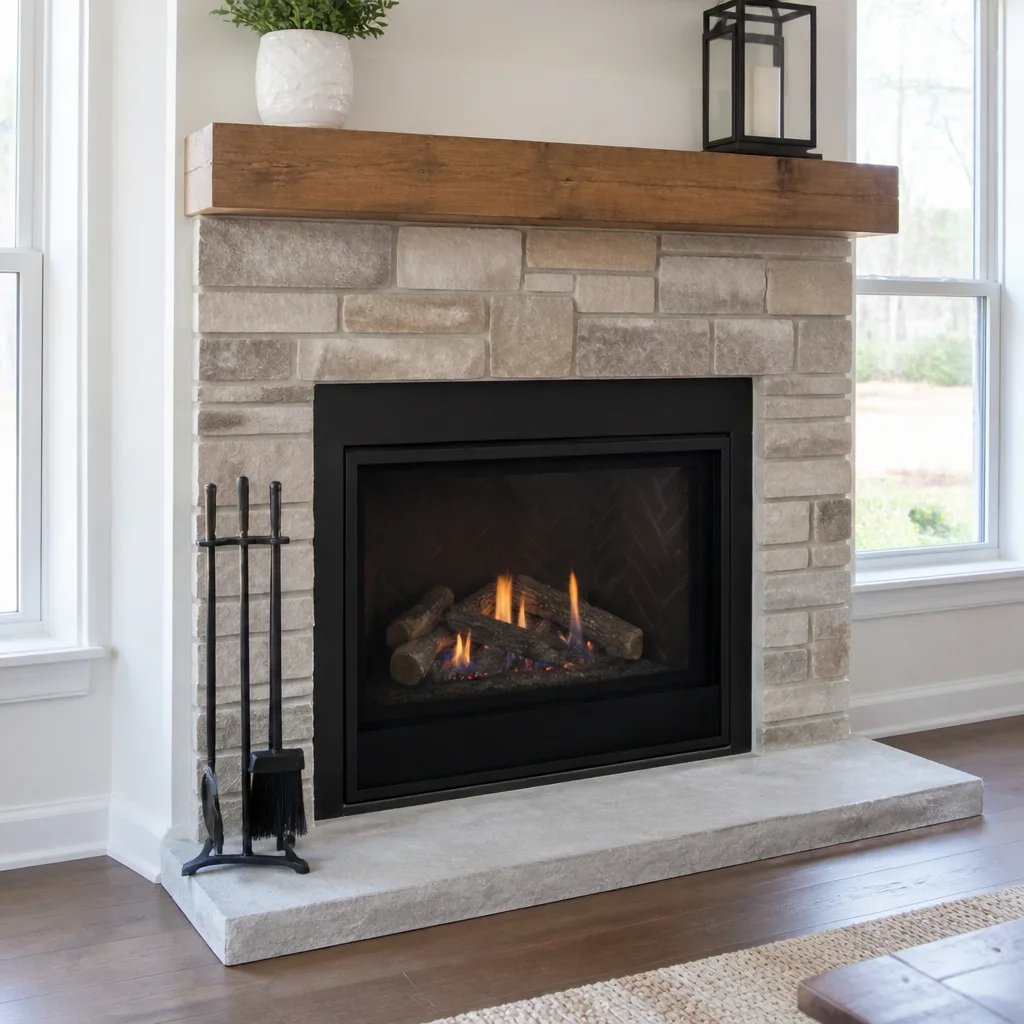 Gas fireplace service
Level 1 sweep and inspection to the NFPA 211 annual standard - flue, crown, cap, and flashing checked and photographed
Chimney sweep logs do not sweep chimneys. They loosen some creosote - which then falls where a brush and vacuum still have to collect it.
Chimney Cleaning Permits, Codes & Inspections in Antioch, TN: What You Need to Know
Most homeowners assume a chimney sweep is like a plumber or an electrician: the work is either permitted or it isn’t, and either way someone up the chain handles the paperwork. That’s not how it works in Antioch. The truth is stranger. A routine cleaning needs nothing from the city. But some common chimney repairs, the kind that get quietly done on a weekend and never mentioned again, can fall under Metro Nashville and Davidson County permit rules, and an unpermitted liner replacement has a way of surfacing during a home sale or an insurance claim years down the road. This guide explains which chimney work actually triggers a permit in Antioch, which doesn’t, how NFPA 211 and the International Residential Code apply to repairs on existing homes here, what a code-driven inspection checks that a standard sweep doesn’t, and the paperwork you should keep afterward.
Styles & brands we work with
- Sweep & inspection
- Caps & crowns
- Flue relining
- Masonry repair
- Gas fireplace service
Quick Answer
In Antioch and the rest of Davidson County, routine chimney cleaning and the annual inspection need no permit. Repairs and modifications to an existing chimney, such as a liner replacement, a firebox rebuild, a hearth change, or a conversion to gas, generally do require a permit and an inspection from Metro Nashville’s codes department, and the work must meet NFPA 211 and the International Residential Code. The exact threshold depends on the scope, so the reliable first step is to ask the permit office before any structural or flue work starts.
Table of Contents
- Which Chimney Work Needs a Permit in Antioch?
- How NFPA 211 and IRC Section R1001 Apply to Existing Antioch Homes
- Code Inspection vs. Standard Chimney Inspection: Not the Same Thing
- Three Common Repairs That Quietly Trigger Permits
- How the Permit Process Actually Moves
- The Paperwork to Keep After Any Permitted Chimney Work
- What Makes Antioch Chimneys Their Own Case
- Common Mistakes to Avoid
- When to Call a Professional
- Frequently Asked Questions
- The Bottom Line
Which Chimney Work Needs a Permit in Antioch?
Metro Nashville codes treats chimney work in three rough categories, and the category decides whether you or your contractor needs to visit the permit office. Cleaning sits in the first bucket. Repairs and structural work sit in the second. New construction and major alterations sit in the third. The lines between them matter more than most Antioch homeowners realize.
Here’s the practical map:
- No permit typically needed: a routine chimney sweep, a Level 1 or Level 2 inspection, a cap swap where the existing crown and flue are intact, a damper adjustment, a spark arrestor installation on an existing cap.
- Permit typically required: a liner replacement or relining, a firebox rebuild, a crown reconstruction, a hearth extension change, a flue size change, a conversion of a wood-burning fireplace to a gas insert, and any work that modifies the chimney’s structure or its relationship to combustibles.
- Permit plus plan review: a full chimney rebuild, a chimney that will be extended or shortened, a change that affects structural loading on the roof or the foundation.
That middle bucket is where homeowners get tripped up. A liner replacement feels like a maintenance task, not a construction project. But in Davidson County it’s treated as a modification of the venting system, and that’s exactly the kind of thing Metro codes wants eyes on. If you’re not sure which bucket your project lands in, call the codes department before booking the job. It’s a five-minute question that can save a five-figure headache later.
One related note: gas insert conversions. These get done in Antioch homes every year, and many of them quietly cross into permit territory because the flue, the venting arrangement, or the firebox itself changes. An insert isn’t just a swap of one appliance for another. It changes how the chimney vents, and that change is what codes cares about.
How NFPA 211 and IRC Section R1001 Apply to Existing Antioch Homes
Two documents govern most of what happens inside a chimney: NFPA 211, the national standard for chimneys, fireplaces, vents and solid-fuel-burning appliances, and Section R1001 of the International Residential Code, the model code most Tennessee jurisdictions adopt in some form. Neither is a local ordinance. Both get folded into Davidson County’s enforcement, which is why homeowners so often hear both names in the same sentence.
NFPA 211 is the older and more detailed of the two. It covers clearances from combustibles, flue sizing, liner requirements, crown condition, and inspection levels. When you hear a chimney professional say a flue has “lost its integrity” or a “clearance is compromised,” that language usually traces back to NFPA 211. It’s also where the three inspection levels come from: Level 1 for a routine annual check, Level 2 for a change in appliance or a real estate transaction, Level 3 for a diagnostic that requires opening up part of the chimney.
IRC Section R1001 is shorter and more prescriptive. It lays out requirements for masonry fireplaces, chimneys and their clearances. Two provisions come up constantly during repairs on older Antioch homes:
- Clearance to combustibles. The code specifies how far wood framing and other combustible materials must sit from the chimney. Homes built during Antioch’s earlier growth phases sometimes have framing that was compliant when new but has drifted into violation over decades of settling and minor remodeling.
- Flue liner continuity. The liner has to run the full length of the flue without gaps or offsets that break the seal. A cracked or mortar-jointed liner that was acceptable by older standards doesn’t automatically pass under current code after a repair.
The important point for Antioch homeowners is this: existing chimneys are not automatically grandfathered out of compliance if they’re being repaired or modified. Once you touch the flue, the code that applies to new work generally governs the new work. That’s why an inspection before the repair matters. It tells you what code baseline you’re working from before anyone starts pulling things apart.
When we look at an older chimney in Antioch, the question isn’t “does this meet 1985 code,” it’s “what does it need to meet today’s baseline for the repair being done.” Those are different questions with different answers.
Code Inspection vs. Standard Chimney Inspection: Not the Same Thing
A standard chimney inspection, the kind included with a routine chimney sweep, is about safety and function. A code inspection, the kind triggered by a permit, is about compliance with a specific set of adopted standards. They overlap, but they are not the same thing, and homeowners sometimes assume one covers the other. It doesn’t.
Here’s what each looks at:
Standard chimney inspection (Level 1 or Level 2)
- Creosote and soot accumulation in the flue
- Visible cracks in the liner, crown, and firebox
- Blockages from nests, debris, or damaged dampers
- Cap condition and attachment
- Smoke chamber and the connection between the firebox and the flue
- Camera footage of the flue interior, with photos provided to you
Code inspection during permitted work
- Clearance to combustibles at every framed penetration
- Liner material and thickness approved for the appliance being vented
- Flue size matched to the appliance’s venting requirements
- Hearth extension dimensions and R-value (only where the code explicitly requires it)
- Chimney height relative to the roofline and adjacent structures
- Proper termination, cap, and spark arrestor per code
Notice that a code inspection spends considerable time on things a standard sweep doesn’t touch, like the framing clearances and the appliance’s match to its flue. And a standard sweep spends time a code inspection doesn’t reach, like the creosote load and the flue’s interior surface. You want both if you’re doing permitted work. The permit inspection confirms the work meets code; the chimney inspection confirms it meets safety. They’re complementary, not redundant.
For an existing chimney that hasn’t been inspected in a few seasons, we usually recommend a Level 2 inspection first. The camera footage lets us see the inside of the flue before anyone writes a scope of work, and it’s the same footage you’d hand to the codes department if the repair turns into a permitted project.
Three Common Repairs That Quietly Trigger Permits
Most unpermitted chimney work in Antioch isn’t done by dodgy contractors. It’s done by honest ones who thought the job was routine, and by homeowners who said yes to a repair without asking the permit question. These three are the usual culprits.
1. Liner replacement and relining
Relining is the big one. The liner is the venting surface, and replacing it is a modification of the chimney’s venting system, which puts it squarely in permit territory under Davidson County rules. This is one reason we default to professional-grade liner systems like DuraFlex and Olympia Chimney rather than parts-store material. A correctly installed liner from a manufacturer whose product is designed for a code-compliant installation is easier to document, easier to inspect, and easier to defend if your insurer ever asks what’s inside your chimney.
If you have a liner that’s showing cracks, gaps, or mortar loss, get the inspection first. There are cases where a HeatShield resurfacing system extends the working life of a deteriorated liner without going to a full replacement. Whether that applies to your chimney depends on the damage pattern and the appliance, and it’s a conversation to have with the camera footage in front of you.
2. Firebox rebuilds
A firebox rebuild is structural work. It changes the materials and dimensions at the base of the fire, which affects the relationship to the hearth, the clearances to framing, and the transition into the smoke chamber. That means a permit and a code inspection in virtually every case. It also means the finished firebox needs to meet current code for the appliance it serves, not the code it was built under.
3. Gas insert conversions
Wood-burning to gas insert conversions happen regularly in Antioch. They’re also the conversion homeowners most often assume is permit-free, and if the insert uses the existing chimney as its venting path (a “direct vent” through the chimney, or a B-vent arrangement), the change of appliance often triggers a permit. The permit inspection confirms the new appliance’s venting requirements match the existing flue, that the insert’s clearances to the firebox are correct, and that the termination is compliant. Skip the permit and you own an installation whose safety you can’t prove later.
Any of these three can slip under the radar if nobody asks. The reason we bring them up is simple: the cost of the permit is small, and the cost of an unpermitted liner replacement during a home sale or a fire claim is not small at all.
How the Permit Process Actually Moves
Here’s how a permitted chimney repair typically runs in Antioch, from the homeowner’s point of view. The exact steps depend on Metro codes, so treat this as the shape of the process rather than the calendar.
- Inspection first. A Level 2 inspection gives you the camera footage and a written description of what’s wrong. This is the foundation of every permitted scope.
- Scope of work. The contractor writes down exactly what will be replaced or altered, with materials named. Professional-grade brands like Gelco or Famco go into the scope by name, not as “a new cap” or “a new liner” in vague terms.
- Permit application. The contractor applies to Metro Nashville codes with the scope and the supporting documentation. The permit number becomes part of the project’s paper trail.
- Inspection by the codes department. Metro sends an inspector to review the rough work before it’s closed in. Depending on the project, there may be a rough-in inspection and a final.
- Final inspection and sign-off. Once the work passes, you receive a signed-off permit, which is the document you’ll want a copy of.
- Close-out documentation. Keep the permit number, the final inspection report, the contractor’s invoice, and the product documentation for the materials used. You’ll hear more about this in a moment.
For a chimney sweep or an annual inspection, you skip all of that. The permit step only enters the picture when the work crosses into repair or modification. If you’re already scheduling a cleaning, ask about the inspection level at the same time. It’s a phone call now versus a discovery later.
The Paperwork to Keep After Any Permitted Chimney Work
Most homeowners toss the envelope and keep the receipt. With chimney work, that’s a mistake. A small stack of documents protects you at resale, at claim time, and at any inspection when you decide to sell. Here’s the file to build:
- The permit number and the signed-off final inspection. This is the one that matters most. Without it, a buyer’s inspector and a buyer’s attorney will assume the work was unpermitted, and unpermitted work often becomes a negotiation point on the purchase price.
- The contractor’s written scope of work. What was replaced, with what material, and why. Brand names matter here. “DuraFlex liner, 6-inch, installed from the top down to the firebox” is documentation; “installed new liner” is not.
- The camera footage or photo report from the inspection. If the inspection was the reason the repair was needed, the footage is the record. Keep it with the rest of the file.
- Product documentation from the manufacturer. Installation instructions, warranty registration, and any material specs. Olympia Chimney and HeatShield documentation is useful for any future insurance adjuster or codes inspection.
- The invoice, with the permit number on it. The invoice should reference the permit explicitly, not just the address and the work.
Put all of it in a folder, digital or physical, labeled with the address and the year the work was done. If you sell the house, hand the file to the buyer. If your insurer ever asks about the chimney, you’ll have the answer in thirty seconds instead of in two weeks.
What Makes Antioch Chimneys Their Own Case
Antioch is not Davidson County’s oldest housing stock, but it’s a large, varied area, and the neighborhoods here have chimneys built under many different code cycles. Homes across Antioch were built across several decades under evolving code requirements, which means two chimneys on the same street can technically be built to different standards. A repair that’s compliant on one might need extra work on the other.
Climate here plays a role too, and it’s the kind of thing that doesn’t show up on inspection day but shapes how a chimney ages. Middle Tennessee summers run long and humid. Winters are cold enough for extended burns but short enough that a lot of Antioch homeowners burn in concentrated stretches during heating season rather than continuously. That burn pattern is hard on a flue. Concentrated heating seasons produce more creosote per burn hour than steady, year-round use, and the long humid summers give any small moisture intrusion on a crown or cap time to work its way into the masonry. A crown that would last a decade in a drier climate can show spalling here in a handful of seasons if water is getting behind it.
That’s relevant to permits because it changes what you’re likely to find. When we inspect a chimney in Antioch, the patterns we see most often are crown deterioration, liner cracks around the smoke chamber transition, and cap failures that let water in. Each of those can turn into a permitted repair if it’s caught late. Caught early, some of them are a cap and crown job through our chimney cap & crown service and don’t need a permit at all, because the flue itself hasn’t been modified.
If you’ve noticed smoke issues, a crumbling crown, or a cap that’s missing or damaged, that’s the inspection that should happen before heating season. Getting ahead of it in spring or early fall is cheaper and simpler than discovering it in December when the first fire smokes into the room. We’re closed on Saturdays, which is worth knowing when you’re scheduling. Call (844) 625-6985. We answer 24/7. Fast dispatch from 7am to 7pm, Sunday through Friday.
Common Mistakes to Avoid
- Assuming a liner replacement is maintenance, not a permit item. In Davidson County it’s treated as a modification of the venting system, and it needs a permit. If a contractor quotes you a liner job without mentioning the permit, ask why.
- Trusting a handshake and a receipt instead of a paper file. When you sell an Antioch home, buyers’ inspectors and attorneys ask for permit documentation, not verbal assurances. Keep the signed-off inspection and the invoice with the permit number on it.
- Skipping the Level 2 inspection before a repair. A code inspection only tells you what the codes department checks. It doesn’t tell you what the flue actually looks like. Get the camera footage first, because it grounds the scope and protects you if the scope changes.
- Letting a gas insert conversion happen without a permit. Many conversions in Antioch use the existing chimney as the venting path, and that’s exactly the kind of change that triggers a permit. The permit inspection confirms the new appliance matches its flue.
- Using off-the-shelf hardware-store parts on a permitted repair. A permit inspection is looking for material that meets code. Consumer-grade components often don’t have the documentation to prove it. Specify professional-grade materials from installation brands like Gelco or Famco in the scope.
- Waiting until the first cold snap to schedule the inspection. Chimney work in Antioch is seasonal, and everyone calls in October. An inspection in late summer or early fall (before heating season) gives time to address whatever it finds.
- Assuming a prior owner did it right. Unpermitted chimney work surfaces in Antioch routinely during real estate transactions. If you bought a home with a modified chimney, an inspection is the cheapest way to learn the truth.
When to Call a Professional
Some chimney decisions are comfortable to make yourself. Cleaning intervals, cap replacement on an intact crown, whether to schedule an annual inspection: those are judgment calls. But specific scenarios should bring a professional out before you make any other decision. If you’re planning a liner replacement, a firebox rebuild, a gas insert conversion, or any structural change to the chimney, get an inspection first, and ask about the permit before scope is finalized. If your crown is crumbling or your cap is missing, call before water damage spreads into the masonry. If you’re selling an Antioch home and the chimney hasn’t been looked at in a while, a Level 2 inspection beforehand saves problems at the closing table. Antioch Chimney Sweep offers free estimates in Antioch. Repair recommendations come from camera footage you can see for yourself, and we tell you plainly when work can safely wait. Call (844) 625-6985. We answer 24/7. Fast dispatch from 7am to 7pm, Sunday through Friday.
Frequently Asked Questions
No. A routine chimney sweep in Antioch, and the inspection that goes with it, does not require a permit from Metro Nashville. Permits apply to repairs and modifications, such as liner replacement, firebox rebuilds, and gas insert conversions. Call (844) 625-6985 for an exact quote on the sweep and inspection, since estimates are free.
Pricing depends on the chimney, the level of inspection needed, and whether the flue is accessed from the roof or the firebox. We set every price by a written estimate for the specific job before any work starts, and the estimate is free. Call (844) 625-6985 for an exact quote.
Repairs that modify the venting system or the chimney’s structure typically require a permit: liner replacement, relining, firebox rebuilds, crown reconstruction, hearth changes, and gas insert conversions. Cleaning and inspection don’t. If you’re unsure which category your job falls in, ask Metro Nashville codes before work begins. Call (844) 625-6985 for an inspection that clarifies the scope.
Yes. A liner replacement or relining is treated as a modification of the chimney’s venting system in Davidson County, and it generally requires a permit and a code inspection. Getting the permit protects you if you sell the home or file an insurance claim later. Call (844) 625-6985 for a free estimate on the relining scope, after an inspection.
A code inspection checks the work against adopted code requirements, like clearances to combustibles and flue sizing for the appliance. A standard chimney inspection checks creosote load, liner condition, cap, crown, and smoke chamber. You want both for permitted work. Call (844) 625-6985 to schedule an inspection that produces camera footage and photos you can keep.
The general rule is to have your chimney swept and inspected at least once a year, and more often if you burn heavily during heating season. Skipping it allows creosote to build up and lets small liner or crown problems get worse before they’re noticed. Call (844) 625-6985 to book the sweep and inspection, since estimates are free.
The Bottom Line
Chimney work in Antioch falls into two streams: maintenance and permitted repair. The maintenance stream (cleaning, inspection, cap and crown where the flue isn’t touched) needs no city paperwork, and it’s the cheapest, safest way to protect a chimney. The repair stream (liner replacement, firebox rebuild, gas insert conversion, structural work) generally requires a permit from Metro Nashville codes, along with a code inspection separate from the standard chimney inspection. Keep the paperwork. The permit number, signed-off inspection, camera footage, material documentation, and invoice are what protect you at resale and at claim time. If you’re not sure which stream your job belongs in, get an inspection before you commit. That’s what we do at Antioch Chimney Sweep, and it’s why we tell you what we find, not what we’d like to sell.
Chimney work is all we do. Whether you need a cleaning before heating season, fireplace repair, or a repair scope that’s clear about permits before anything starts, one call covers it: inspection, cleaning, cap and crown, and repair. We use professional-grade materials, the same brands chimney specialists rely on nationwide, and every recommendation is grounded in footage you can see.
Call (844) 625-6985. We answer 24/7. Fast dispatch from 7am to 7pm, Sunday through Friday. Estimates are free, and we tell you plainly what needs to be done now and what can safely wait.
Written by the team at Antioch Chimney Sweep.
See the difference
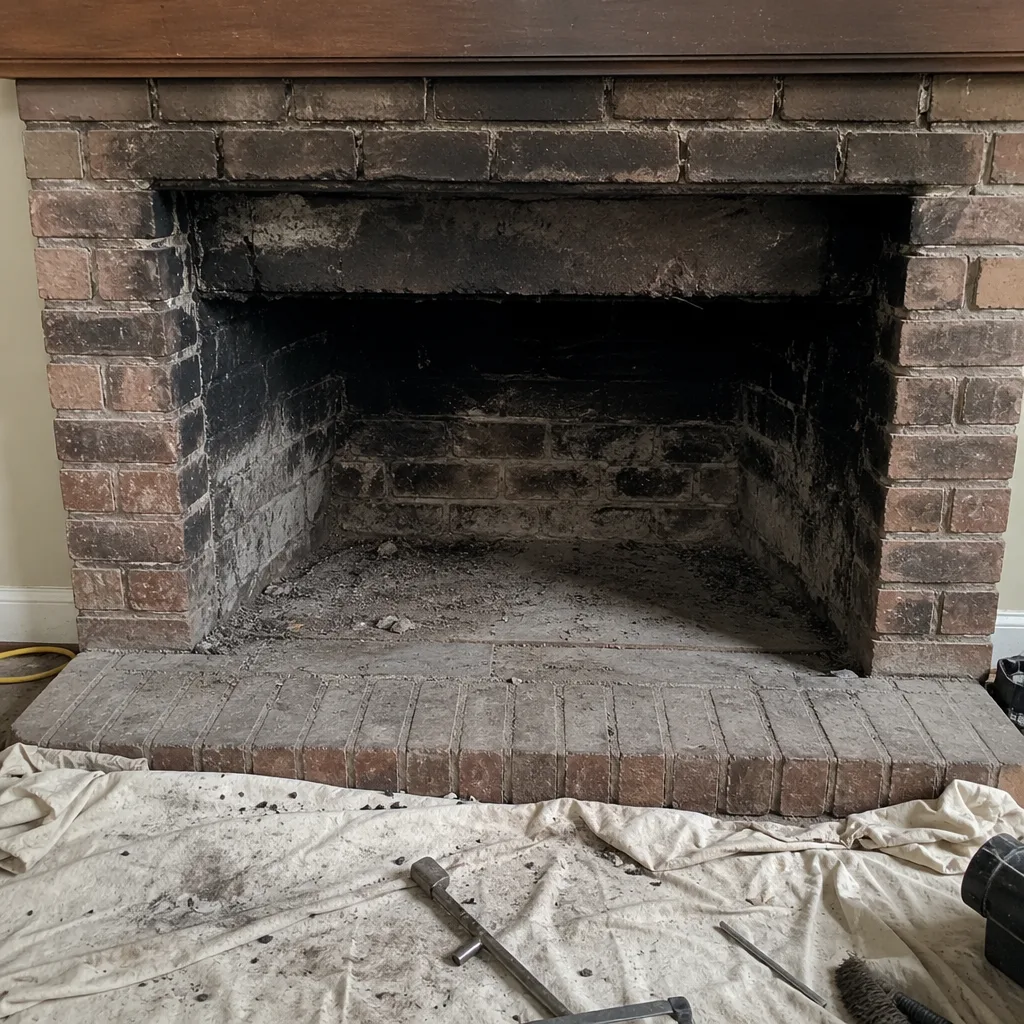 Before
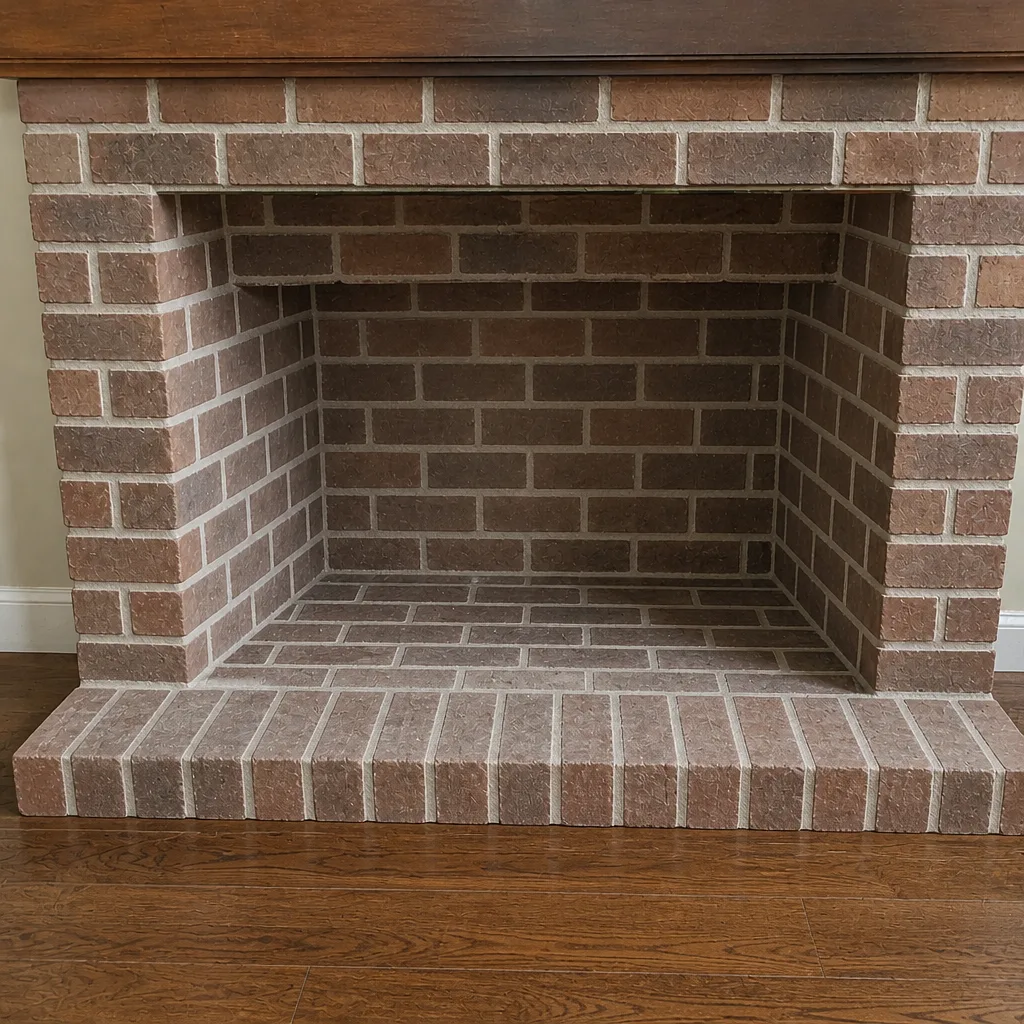 After
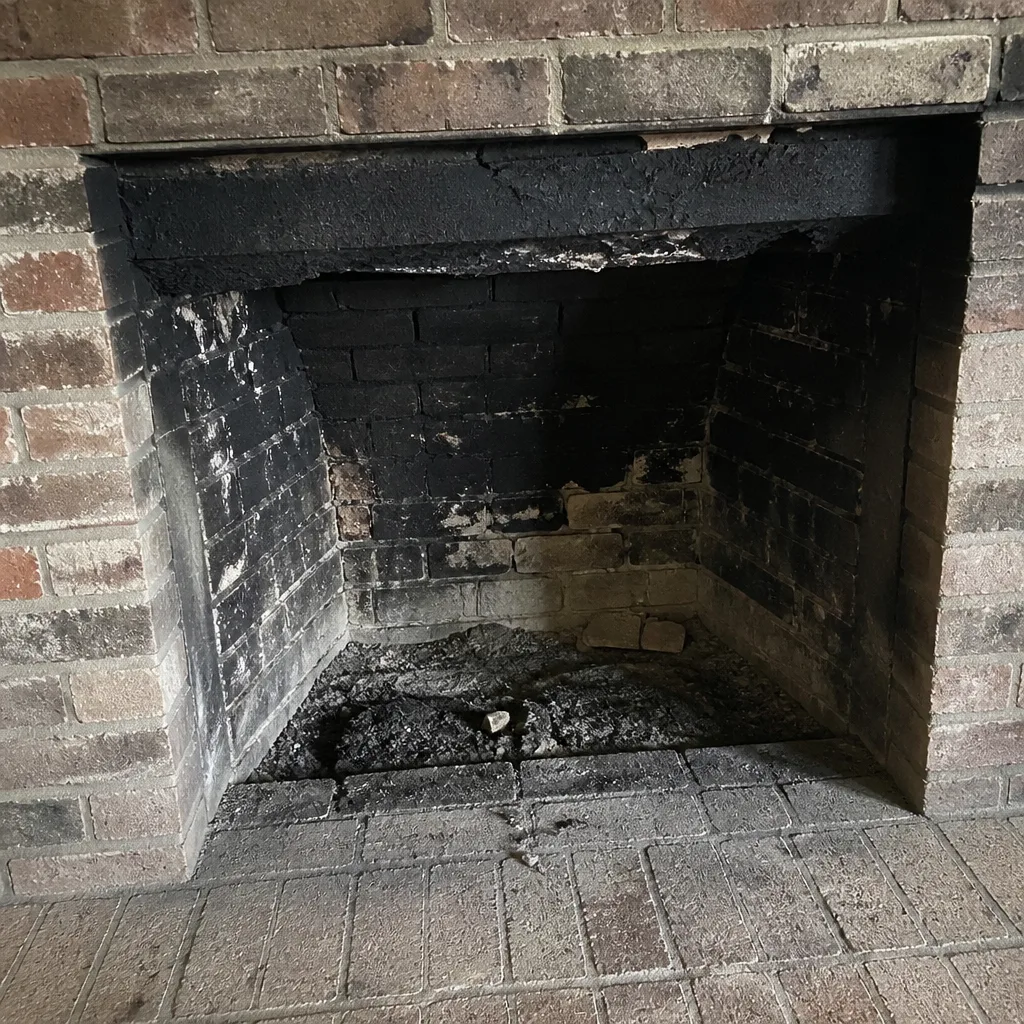 Before
 After
 Before
 After