
Last updated November 24, 2026
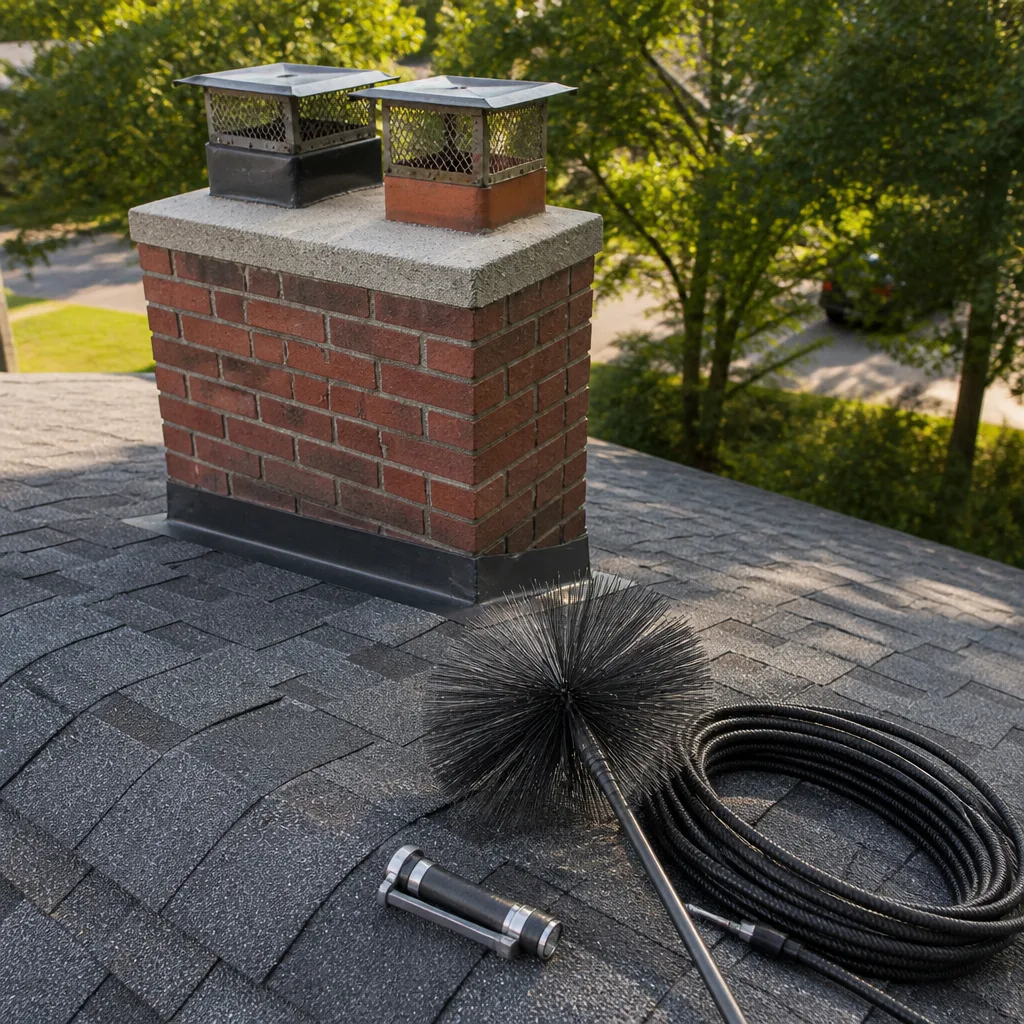 Sweep & inspection
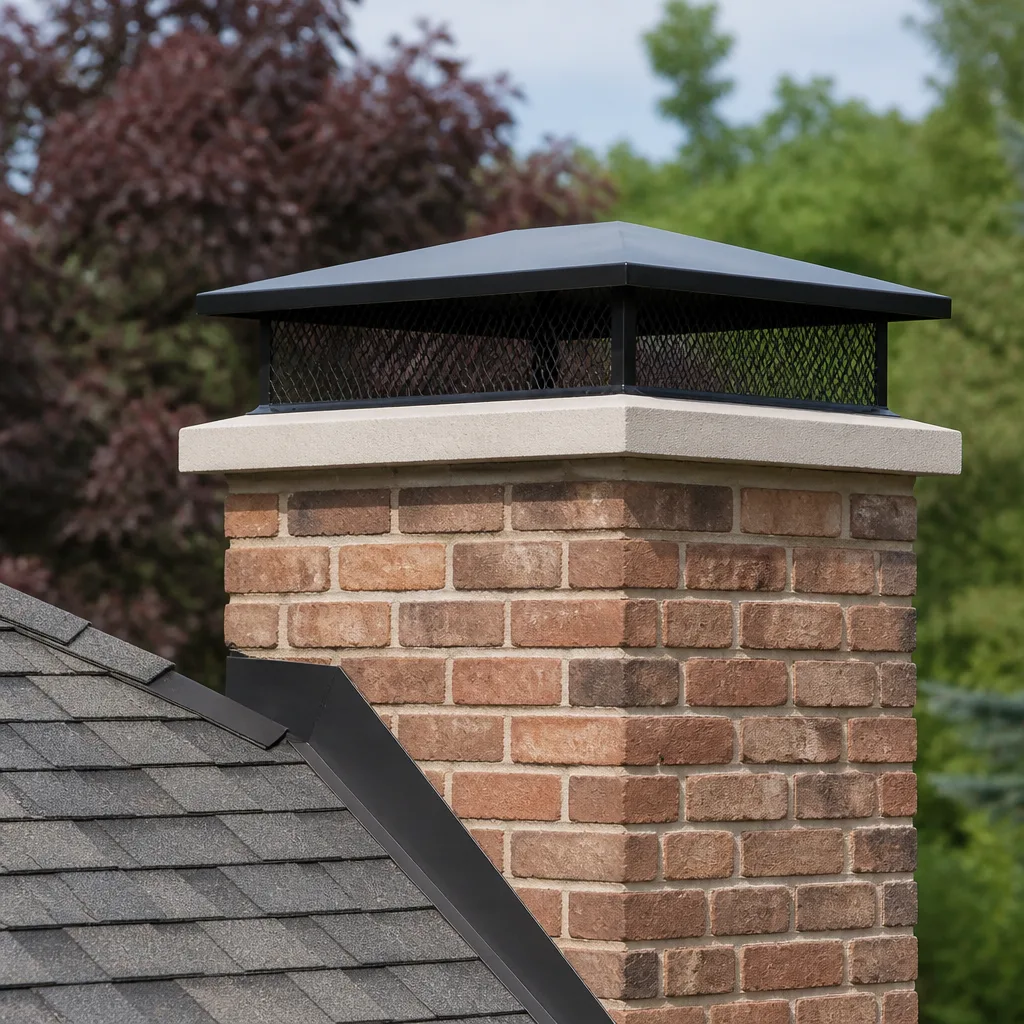 Caps & crowns
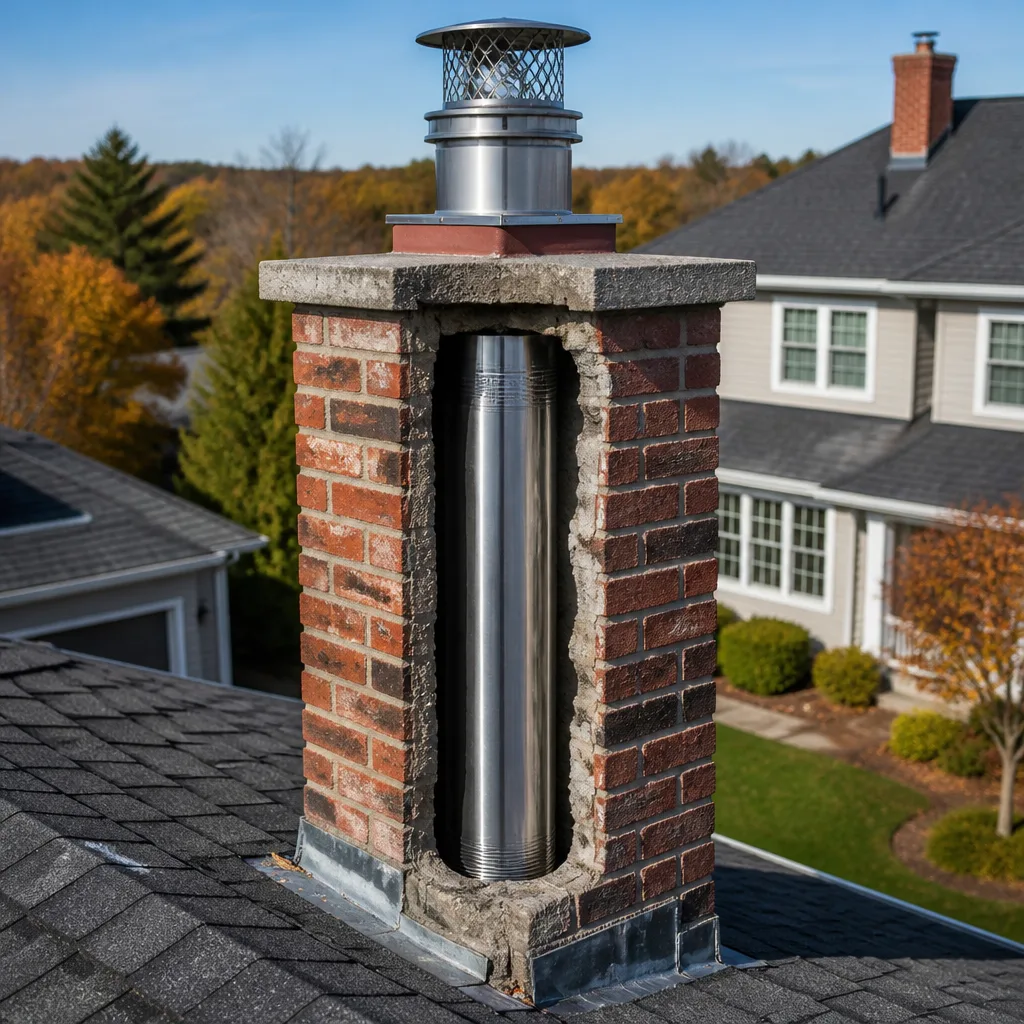 Flue relining
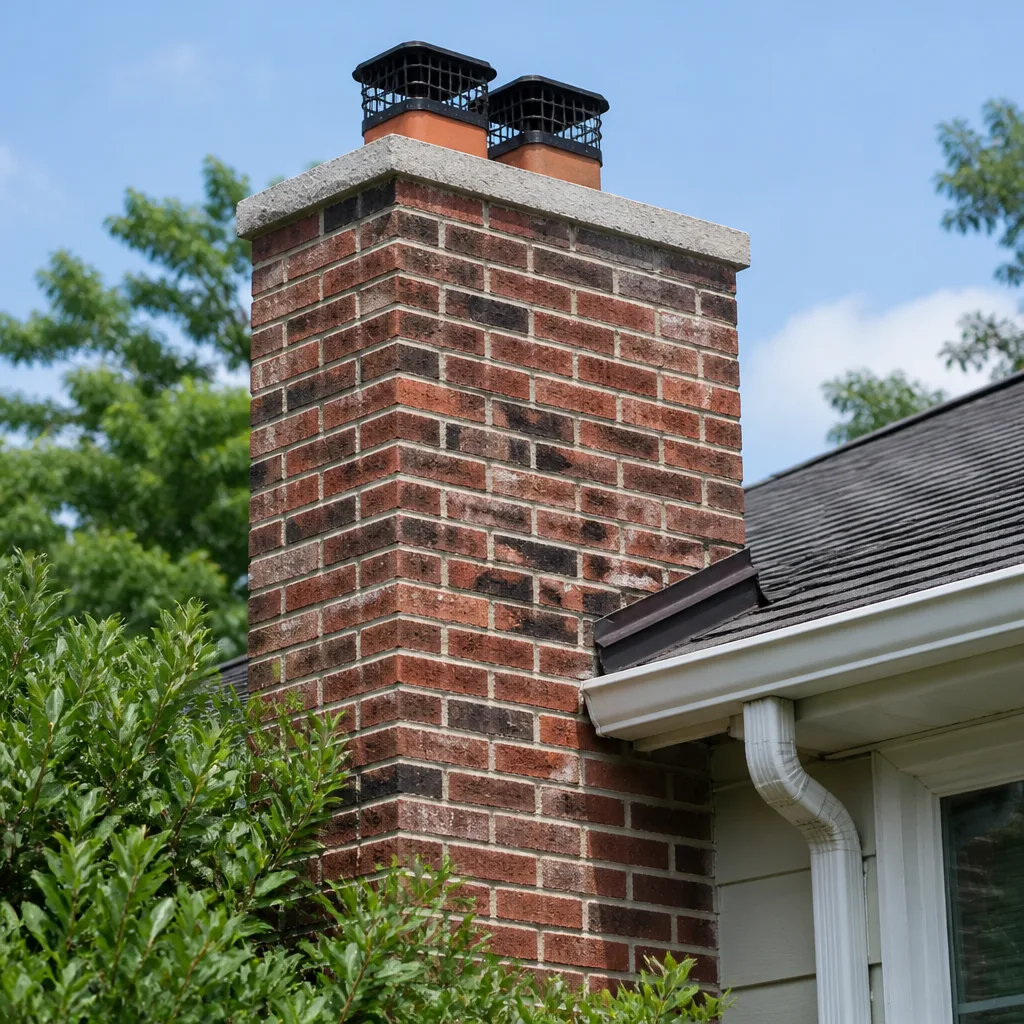 Masonry repair
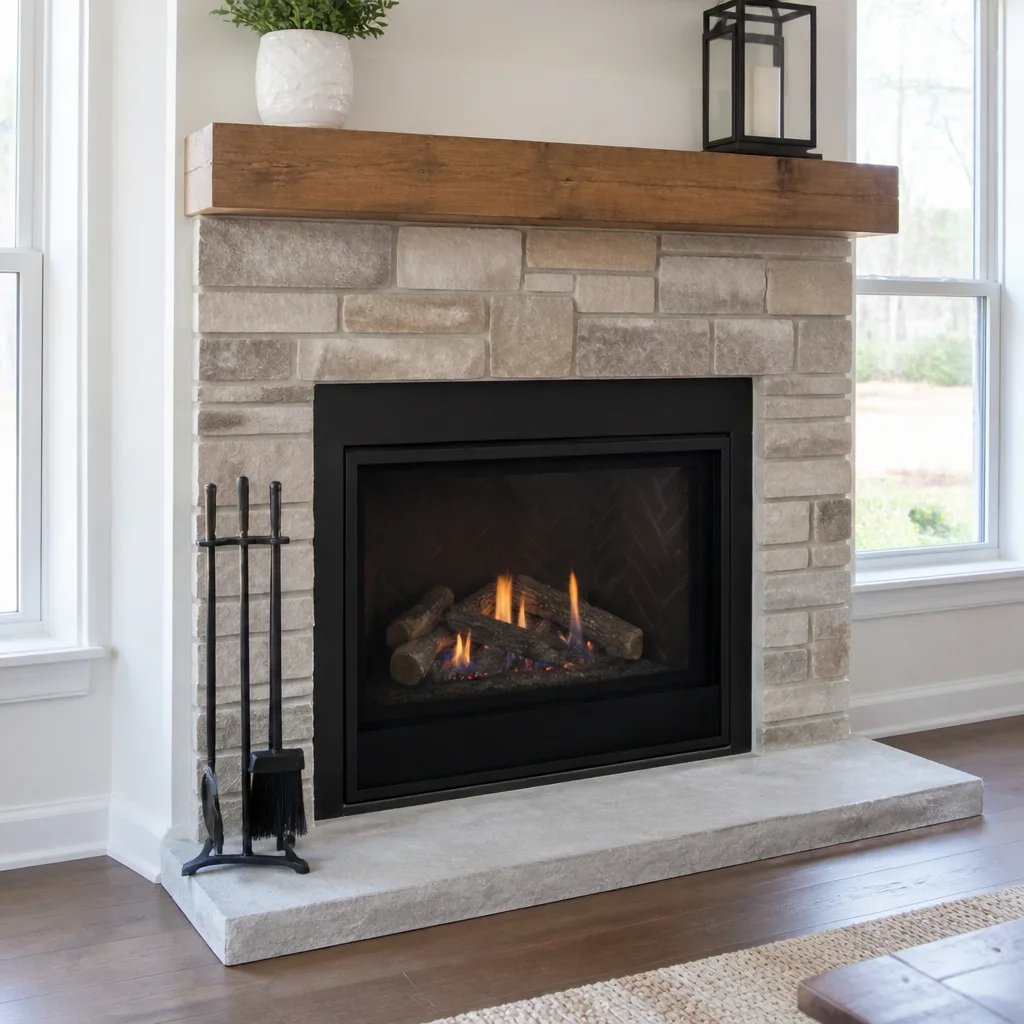 Gas fireplace service
Level 1 sweep and inspection to the NFPA 211 annual standard - flue, crown, cap, and flashing checked and photographed
Chimney sweep logs do not sweep chimneys. They loosen some creosote - which then falls where a brush and vacuum still have to collect it.
Chimney Cleaning Emergency Preparedness Guide for Antioch Homes
A chimney fire doesn’t always announce itself with flames shooting out the top. Many homeowners describe a low rumble like a distant freight train, or a sound closer to popping and cracking than a roar. And in that moment, the instinct that wins is often the wrong one: close the damper, shut the glass doors, wait it out. That hesitation is what this guide is built to prevent. Most chimney emergencies in Antioch aren’t sudden catastrophes. They’re ignored warning signs that escalate because nobody knew what to do in the first thirty minutes. Below you’ll find a clear action plan for the three most likely chimney emergencies, what to do before you call anyone, and the preventive steps that cut your risk before heating season starts.
Quick Answer
If you suspect an active chimney fire in Antioch, call 911 first, get everyone out of the house, and don’t close the damper or throw water on the fire. For carbon monoxide spillback or a sudden blockage, stop using the fireplace immediately, ventilate the room, and have the chimney professionally inspected before you burn again. The most effective preparation is a yearly chimney inspection and sweep that catches creosote buildup, a failing liner, or a damaged crown before any of those become an emergency.
Styles & brands we work with
- Sweep & inspection
- Caps & crowns
- Flue relining
- Masonry repair
- Gas fireplace service
Table of Contents
- The Three Most Common Antioch Chimney Emergencies
- Active Chimney Fire: What It Sounds, Looks, and Smells Like
- First Five Minutes: A Step-by-Step Action Plan for Each Scenario
- What to Tell the Fire Department (and What Not to Do)
- After the Emergency: Why the Chimney Must Be Evaluated Before Reuse
- Carbon Monoxide Spillback: The Silent Emergency
- Sudden Blockage: When Smoke Fills the Room
- Preventive Steps That Cut Antioch Emergency Risk
The Three Most Common Antioch Chimney Emergencies
Chimney emergencies around Antioch fall into three categories, and each one gives you different signals. Learning them ahead of time means you’ll recognize what’s happening instead of guessing while smoke builds. The three are an active chimney fire, carbon monoxide spillback, and a sudden blockage. Two of them can look and sound alarmingly similar, which is one reason we always tell homeowners to err on the side of caution and call for help.
1. Active chimney fire
This is the loudest and most obvious. It can sound like a low rumble, roaring, or a series of sharp pops. You might see dense smoke or a glow at the top of the chimney, feel intense heat on the chimney breast, or notice a burning smell that doesn’t match normal fireplace use. Creosote, the tar-like residue that builds up on flue walls, is the fuel source behind most chimney fires. When it ignites, it can burn hot enough to damage the liner or crack masonry.
2. Carbon monoxide spillback
This is the one that gives no obvious visual warning. Carbon monoxide is colorless and odorless, so the signals come indirectly: headaches, nausea, dizziness, drowsiness, or a stuffy feeling in a room that should be ventilated. Spillback happens when combustion gases that should exit through the flue instead back up into the living space. A blocked flue, a cracked liner, or a house that’s too tightly sealed can all contribute.
3. Sudden blockage
Blockages often announce themselves with smoke rolling out of the fireplace instead of going up. It might be a bird nest, a fallen chunk of masonry, a dislodged cap screen, or a heavy creosote flake that’s dropped into the flue. If smoke won’t draw up the chimney and the room fills with it, stop burning and figure out why before you light another fire.
Every one of these is easier to prevent than to answer in the middle of. That’s why we favor a proactive approach to Antioch Chimney Sweep service, where a routine inspection catches the liners, crowns, and creosote stages that set the stage for emergencies long before they happen.
Active Chimney Fire: What It Sounds, Looks, and Smells Like
An active chimney fire is a household emergency, and the sooner you recognize it, the safer everyone in the building is. People who’ve been through one describe the sound more than the sight. There’s the freight-train rumble, but also a hollow whooshing, or a staccato popping that sounds like fireworks muffled by a wall. If you’re near the fireplace when it starts, you may hear a low roar coming up from the firebox itself.
Visually, watch for these signs:
- Dense or unusually dark smoke from the top of the chimney
- Flames or sparks visible above the chimney crown
- A visible glow or shimmering heat at the top of the flue
- Discolored or warped metal on the chimney cap
- Cracked or blistered creosote on the flue walls (visible only in an inspection)
On the smell side, a chimney fire can produce a hot, sharp, tar-like odor that doesn’t smell like a normal wood fire. Sometimes it smells almost chemical. If you notice that odor combined with any of the sounds or sights above, treat it as a chimney fire.
What you should not do in that moment is assume it’s nothing. A small chimney fire can burn itself out, but it can also reignite when you add more wood, or it can quietly damage the liner enough that the next fire becomes a house fire. The stakes are too high to wait and see. Call 911 first, then plan your follow-up once the immediate danger is handled.
First Five Minutes: A Step-by-Step Action Plan for Each Scenario
The five minutes right after you notice something wrong are what determine how much damage happens. Here’s what to do for each of the three emergency types. Save this section, or better, read it now so you don’t have to look it up while something is burning.
If you suspect an active chimney fire
- Get everyone out of the house, including pets. Don’t stop to gather belongings.
- Call 911 from outside, or from a neighbor’s place if your phone is inside.
- Close the glass doors on the fireplace if you can do so safely on your way out. Don’t reach into a burning firebox.
- Do not close the damper. This is the instinct most people have, but closing it traps the fire and can push hot gases into the house through cracks in the chimney.
- Stay outside. Don’t go back in to check on anything.
If you suspect carbon monoxide spillback
- Extinguish the fire if it’s safe, or let it burn down while you leave.
- Get everyone into fresh air immediately, especially anyone with a headache, nausea, or drowsiness.
- Open windows and doors on your way out, but don’t stay inside to do it slowly.
- Call the fire department. They carry CO meters and can tell you whether the house is safe to re-enter.
- If anyone is confused, dizzy, or unresponsive, call 911 for medical help right away.
If smoke is backing up from a sudden blockage
- Stop adding wood. Don’t throw water on a live fire inside the firebox.
- Extinguish the fire with a fireplace-safe method or let it burn down while you leave the room.
- Open a nearby window to clear the smoke if you can do so without spreading it.
- Don’t re-light the fireplace until the chimney has been checked. A blockage doesn’t clear on its own.
- Call a chimney professional for inspection before your next fire.
Memorize the shape of these steps, not every word. The common thread is: get people out, don’t close the damper, don’t add water to a live fire, and have the chimney evaluated afterward.
What to Tell the Fire Department (and What Not to Do)
When you call 911, the dispatcher needs three things: what’s happening, where you are, and whether anyone is in danger. Keep it simple. “There’s a fire in my chimney, the address is [your address], everyone is out of the house.” If you have smoke coming into the living space, say that too. If anyone has a headache, is dizzy, or seems drowsy, tell them, because that changes the medical response.
What you tell them isn’t the tricky part. What you do while you wait is.
Don’t open windows to “let the smoke out”
It’s the first thing most people do, but opening windows during a chimney fire can pull air through the house and feed the fire or drive smoke into other rooms. Get out and stay out. The fire department will handle ventilation.
Don’t throw water on a chimney fire from inside
Water cools the fire but can also crack a hot flue liner or masonry through thermal shock. It also sends steam and smoke back into the room. Save the water for the firefighters.
Don’t close the damper
This bears repeating because it’s the most dangerous instinct. Some people close it hoping to smother the fire. All that does is trap heat and gases against the liner, which is exactly the failure mode you want to avoid.
Don’t go back in until the fire department says it’s clear
Even if the fire looks out, hot spots can reignite. Wait for the crew’s all-clear.
If you smell a sharp, hot, tar-like odor but can’t confirm a fire, call 911 anyway. The dispatcher would rather send someone to check and find nothing than miss a real chimney fire. It’s easier to make that call than to explain later why you didn’t.
After the Emergency: Why the Chimney Must Be Evaluated Before Reuse
However minor the incident seemed, a chimney fire or spillback event damages the flue in ways you can’t see from the firebox. Creosote that ignited can leave cracks and gaps in a clay liner or in a factory-built metal liner. Mortar joints can fail. A crown can crack from heat stress. Any of those create new pathways for smoke and carbon monoxide to escape into the home. That’s why the invitation to “let it cool off and try a small fire” is dangerous advice for an Antioch homeowner.
What a professional evaluation after an emergency looks like:
- Visual inspection of the full flue with a camera, from the top down and the firebox up
- Checking the liner for cracks, gaps, separation at the joints, and loss of structural integrity
- Examining the crown, cap, and flashing for heat damage and water intrusion
- Testing draft and drawing combustion gases to confirm the flue is venting correctly
- Checking for hidden creosote in offset flues and behind damper pockets
If the liner isn’t up to the job after an incident, professional-grade materials exist to restore it. We work with HeatShield, the manufacturer-backed resurfacing system that extends the life of a deteriorating flue liner, and DuraFlex liner systems for a new liner where the original has failed. Those aren’t off-the-shelf hardware-store parts; they’re what chimney specialists rely on.
The key point stands: don’t reuse the chimney until someone qualified has looked at it and told you it’s safe. We tell you what we find, and we tell you plainly when a fire can wait.
Carbon Monoxide Spillback: The Silent Emergency
Carbon monoxide is the emergency that gives the fewest obvious signals, so it deserves its own section. CO is a byproduct of combustion, and in a working chimney it goes up the flue and out of the home. Spillback means it’s coming back into the room instead. There’s no visible smoke, no smell, and no sound. The only reliable warning is how people in the house feel and a CO detector.
Watch for these symptoms in yourself or anyone in the home:
- Persistent headaches that improve when you leave the house
- Nausea or a general sense of being unwell after using the fireplace
- Dizziness, confusion, or trouble concentrating
- Unusual fatigue or drowsiness, especially in the evening
- Shortness of breath or a fast heartbeat
What causes spillback in Antioch homes? Several things, and they often combine:
- A blocked or partially blocked flue from creosote buildup, a nest, or fallen masonry
- A cracked or damaged liner that lets gases escape into the wall cavity or attic
- A negative pressure problem in a tight, well-sealed house where the chimney can’t draw enough air
- Competing exhaust fans in kitchens and bathrooms that pull air down the chimney
- A wrong-sized flue for the appliance connected to it, causing poor draft
CO detectors save lives, and every home with a wood or gas fireplace should have one on every level and near sleeping areas. If the alarm sounds, treat it as a real emergency: get out, call 911, and don’t re-enter until the fire department clears the home. After an alarm or a suspected spillback, call us before using the fireplace again. Chances are good the source is in the chimney, and it won’t fix itself. Our chimney sweep and inspection service includes a full camera look at the flue so we can see exactly where the problem is.
Sudden Blockage: When Smoke Fills the Room
A sudden blockage looks dramatic: smoke stops going up and starts rolling out into the room, sometimes in a thick curl at the top of the fireplace opening. The fire that was drawing well suddenly slows down. You may smell a burnt, musty, or unusual odor. If you see any of that, stop adding wood and treat it as a blockage.
What’s most likely blocking the flue in an Antioch home:
- Bird or squirrel nests built in the flue or on top of the cap during warmer months
- Fallen masonry from a deteriorating flue or crown
- A chunk of creosote that has flaked off and dropped into the flue path
- A dislodged cap screen that has fallen into the flue
- Leaves and debris on the chimney cap
A missing or damaged cap is one of the most common reasons a flue ends up blocked. Without a cap, animals, rain, and debris get free entry. That’s why a proper cap and crown isn’t a cosmetic upgrade, it’s a preventive measure. We install Gelco and Famco chimney caps and venting components as part of a complete chimney cap & crown service, and the difference in how often those homes see blockages is real.
If a blockage happens, don’t try to rod it out from the roof yourself. Reaching into a flue to clear debris puts you at risk of a fall, of a partial collapse, or of disturbing creosote that could ignite. Call a chimney professional. The fix is usually quick once the flue is properly cleared and inspected.
Preventive Steps That Cut Antioch Emergency Risk
The good news is that all three of these emergencies are among the most preventable problems in home maintenance. The common thread is catching them early, before the fire season and while the days are still long. Here’s what actually reduces risk for an Antioch home.
Schedule an annual inspection and sweep
A yearly inspection catches creosote buildup, liner damage, and crown problems before they become emergencies. It’s the single most effective preventive step there is. We recommend scheduling before your first fire of the season, not after you notice a problem. The fireplace repair we do most often is a direct consequence of something that was visible in an inspection a season earlier.
Watch the creosote stage
Creosote builds up in stages, and the later stages are far more dangerous. Stage 1 is soot and light flaking. Stage 2 is a crust that’s harder to remove. Stage 3 is a hard, shiny, tar-like glaze that ignites easily and is difficult to clear without professional tools. If you burn a lot of softwood or burn with the damper partly closed, you speed up the buildup. An annual sweep keeps you ahead of Stage 3.
Install or replace a chimney cap
A cap keeps animals, rain, and debris out of the flue while letting gases escape. A missing or damaged cap dramatically increases blockage risk. We install Gelco and Famco caps as a standard part of the work.
Check the crown and flashing
A cracked crown lets water into the chimney structure, which weakens masonry and can rust a metal liner from the outside in. A damaged crown is a slow leak, not a fast one, but it’s the kind of thing that only becomes obvious when the chimney has to be rebuilt.
Use a CO detector on every level
CO is silent. A working detector on each level and near sleeping areas is the only reliable early warning you’ll get for spillback.
Burn dry, seasoned wood
Wet wood burns cooler and produces more creosote. Seasoned hardwood, split and dried, burns hotter with less residue. It doesn’t eliminate the need for a sweep, but it slows the buildup.
Repair the liner before you need to
A compromised liner is a candidate for failure during a chimney fire. If an inspection shows cracks or gaps, resurfacing with HeatShield or replacing with a DuraFlex system closes the gap before it becomes an emergency. Either way, we don’t recommend it unless there’s camera evidence you can see with us.
If you’d rather have a plan than a worry, one call covers it: inspection, cleaning, cap and crown, and repair. Our technicians have up to 12 years of experience, and every recommendation starts with what we actually see in your flue, not with a sales script.
Common Mistakes to Avoid
- Closing the damper during a chimney fire. This is the most dangerous instinct there is. It traps heat and combustion gases against the liner and can drive them into the house.
- Throwing water into a hot firebox. Thermal shock can crack a clay liner or masonry. Let the fire department handle the fire itself.
- Assuming a small chimney fire is fine because it went out. The fire that goes out is often the one that’s already damaged the liner. Professional evaluation before reuse isn’t optional.
- Opening windows to clear smoke during a fire. In a house that’s already tight, this can pull more air up the chimney and make the fire draw harder, not less.
- Skipping the annual inspection because “the fire burns fine.” A well-behaved fire is not evidence of a well-maintained flue. Creosote buildup and liner damage stay invisible until they cause a problem.
- Letting a missing cap go unfixed. A cap is one of the cheapest preventive parts of a chimney system. Going a season without one is the most common path to a blockage.
- Running a fireplace without a CO detector. Spillback doesn’t smell like anything, so a working detector is the only reliable warning you’ll get.
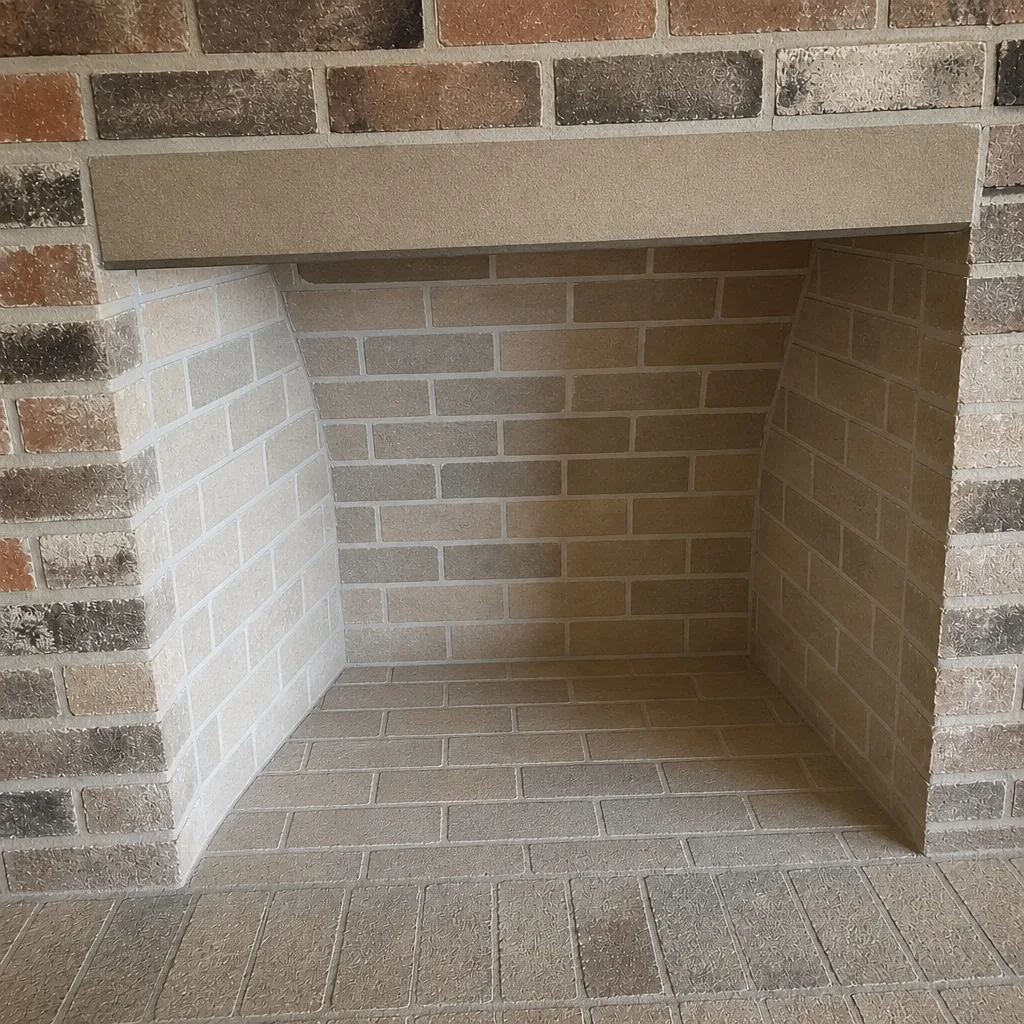
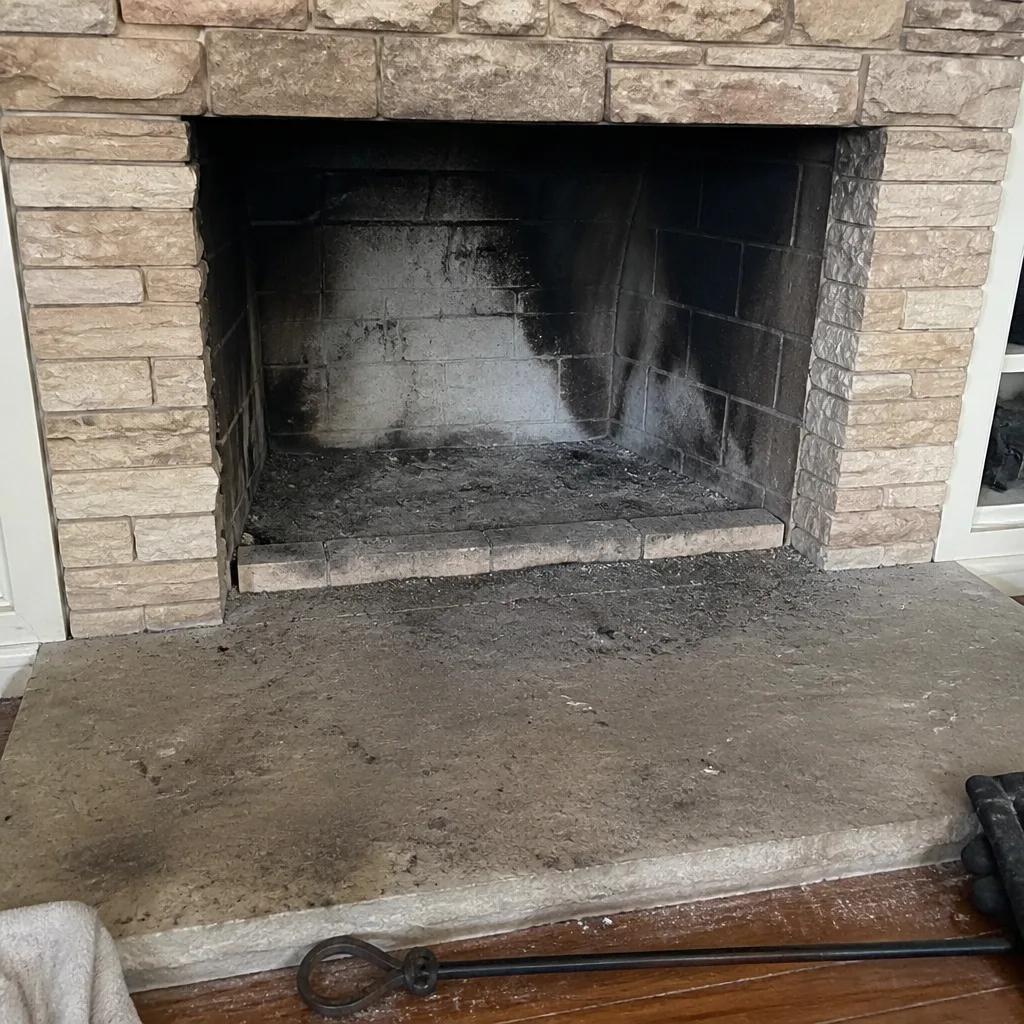
See the difference
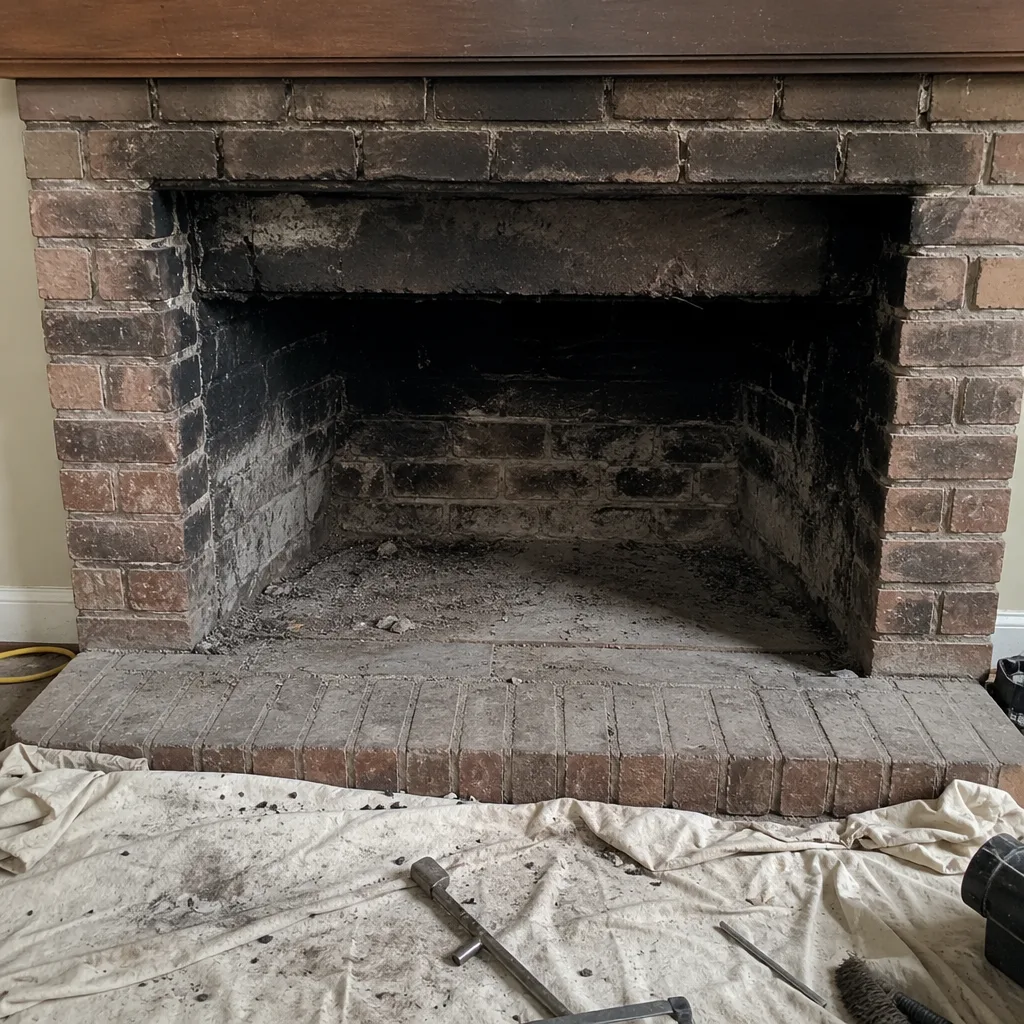 Before
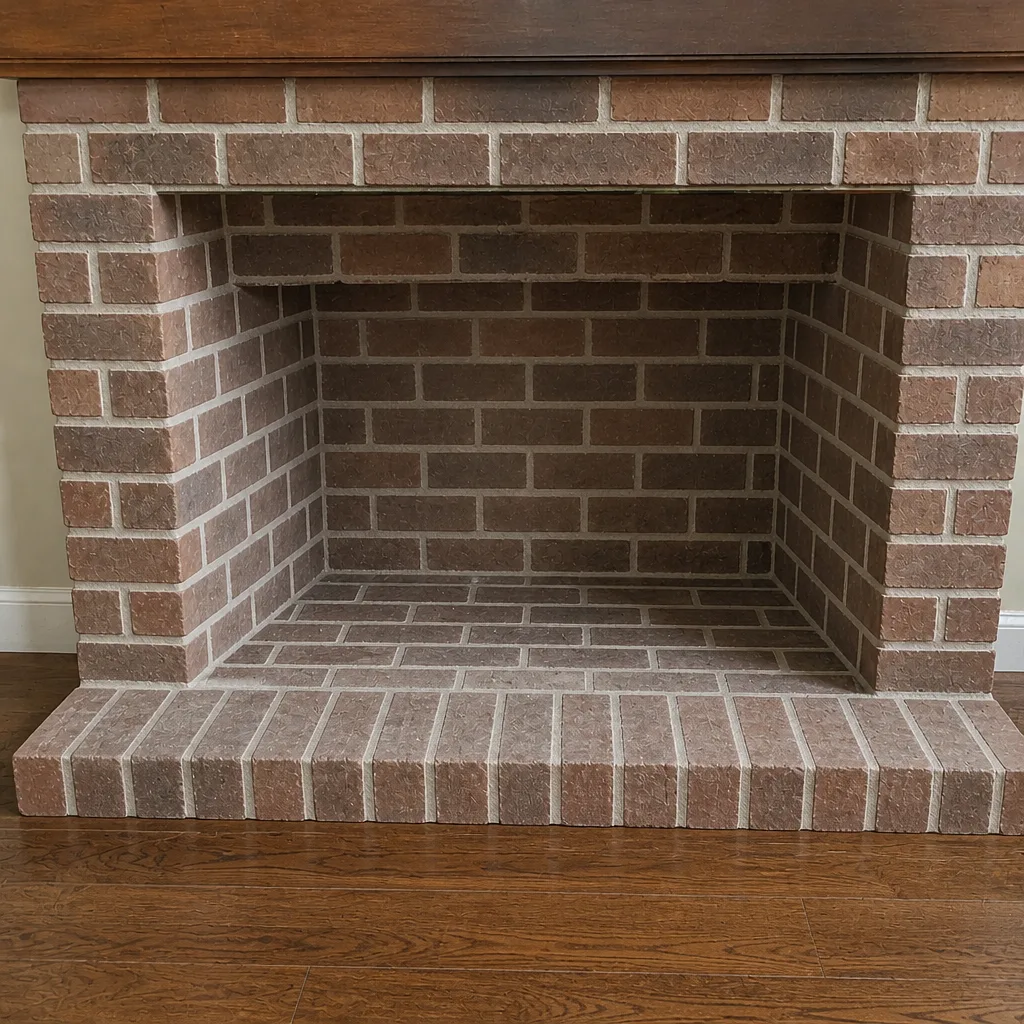 After
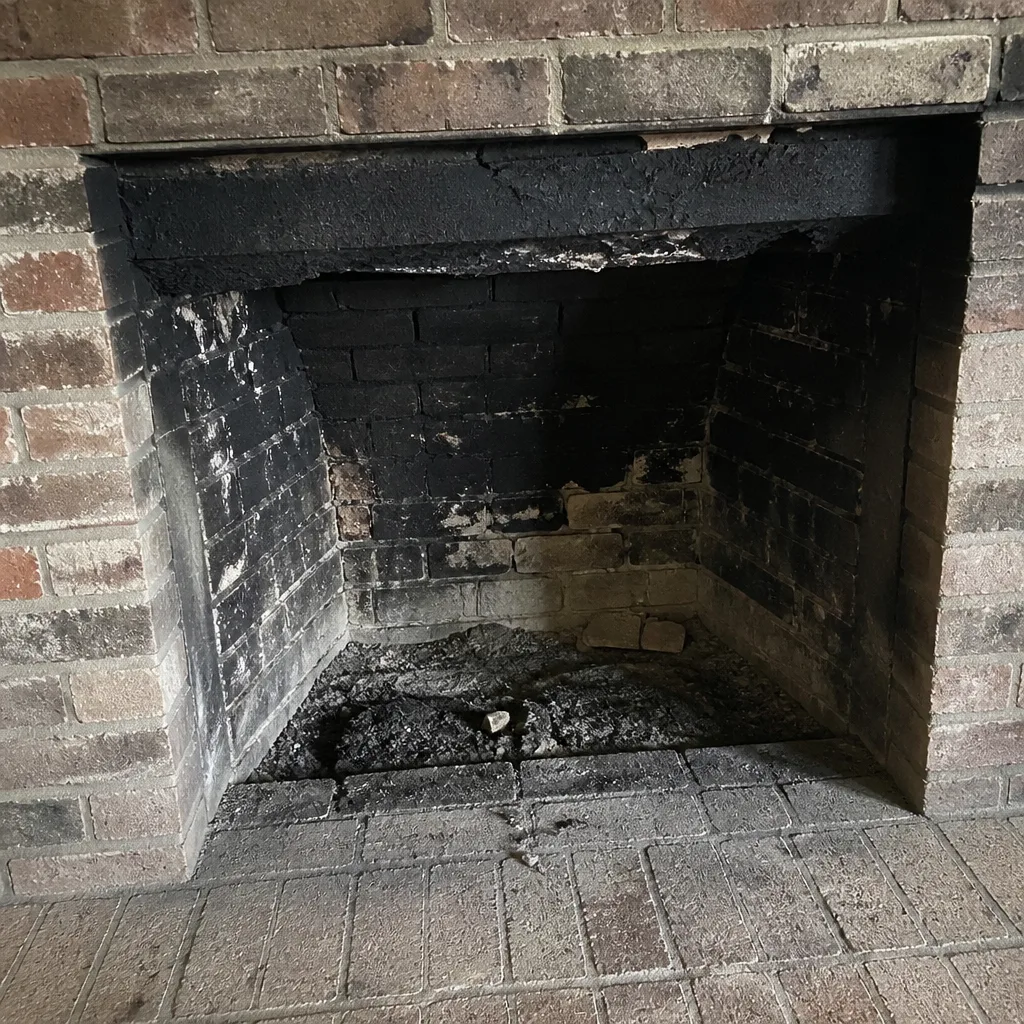 Before
 After
 Before
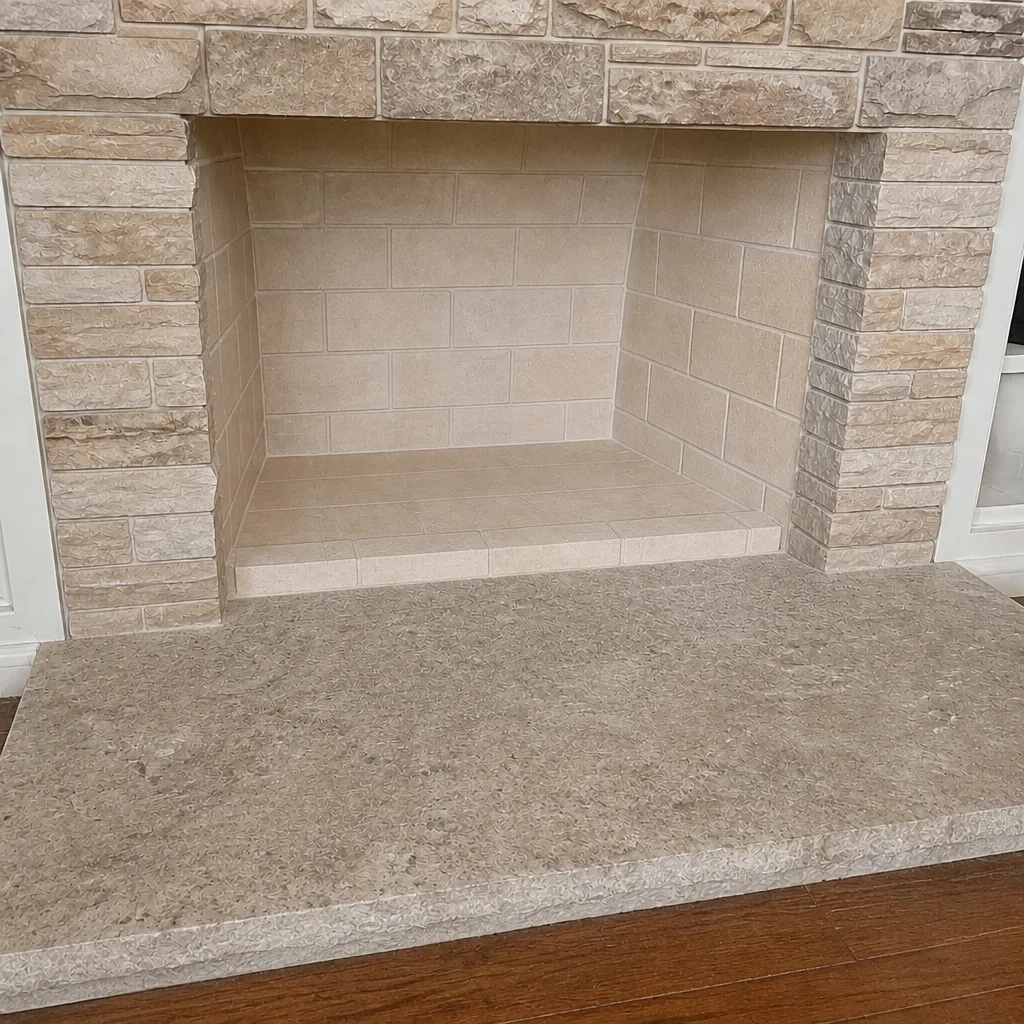 After
When to Call a Professional
Call us when you’re unsure, when something has changed, or when it’s just been a while. In our experience, most “wait and see” chimney problems turn into “should have called last season” chimney problems. Specific moments worth a call: after any suspected chimney fire, after any CO alarm or symptom in the home, after smoke backs up into the room, when an inspection is overdue, or when you notice visible damage like a crumbling crown, a missing cap, or loose mortar on the chimney exterior. If you have a wood-burning or gas fireplace and you haven’t had it serviced recently, that’s reason enough. Antioch Chimney Sweep offers free estimates in Antioch, call (844) 625-6985. We’ll tell you what we find and what actually needs fixing, including when nothing does.
Frequently Asked Questions
Signs include a loud roar or freight-train rumble, popping or crackling sounds, dense smoke or a visible glow at the top of the chimney, heat on the chimney breast, and a sharp tar-like odor after the fire. If you suspect one, call 911 and don’t close the damper. After the fire is out, call us for an inspection before using the fireplace again. Call (844) 625-6985 for a free estimate on the evaluation.
Stop adding wood, let the fire burn down (or extinguish it if safe), and open a nearby window. Don’t re-light the fireplace until a professional has confirmed the flue is clear. Smoke backing up almost always means a blockage or a draft problem, and neither clears on its own. Call (844) 625-6985 to schedule an inspection.
Once a year for most homes, and more often if you burn frequently or burn softwood. Annual inspection is the recommendation regardless of whether the fireplace sees regular use, because liner damage and crown cracks happen quietly between seasons. If it’s been more than a year, call us. Estimates are free.
Yes. A cap keeps animals, rain, and debris out of the flue. Going without one is the most common path to a sudden blockage, and it’s also a cheap preventive part compared to the cost of clearing a nest or repairing water damage. We install Gelco and Famco caps and venting components as part of a complete cap and crown service. Call (844) 625-6985 for a free estimate.
You likely won’t smell or see anything. Symptoms include headaches, nausea, dizziness, confusion, and unusual drowsiness that improve when you leave the house. A working CO detector on every level is the only reliable warning. If the alarm sounds, get everyone outside, call 911, and don’t re-enter until the fire department clears the home.
A sweep is a cleaning, not a diagnosis. We recommend a full inspection alongside the sweep so you know the condition of the liner, crown, and cap, not just that the flue is clean. One inspection covers all of it. Call (844) 625-6985 for a free estimate.
The Bottom Line
Chimney emergencies in Antioch are rarely sudden. They’re the end of a chain that starts with creosote buildup, a missing cap, a cracked crown, or a liner that’s been quietly failing for a season. The three most likely emergencies, an active chimney fire, CO spillback, and a sudden blockage, all have recognizable signals and a clear first-five-minutes plan. What matters most is knowing them now, not during the event. Don’t close the damper, don’t throw water on a hot fire, get people outside, and have the chimney evaluated afterward. Before heating season, schedule an inspection and sweep so the warning signs don’t get a chance to escalate.
Chimney work is all we do, so we do it right. Our technicians have up to 12 years of experience, we use professional-grade materials from HeatShield, DuraFlex, Gelco, Famco, Olympia Chimney, and Copperfield, and we tell you what we find, including when nothing needs fixing. Protect your home before heating season, not after a problem shows up.
Ready to get ahead of heating season? Call (844) 625-6985 for a free estimate. We answer 24/7. Fast dispatch from 7am to 7pm, Sunday through Friday.
Written by the team at Antioch Chimney Sweep.