
Last updated November 24, 2026
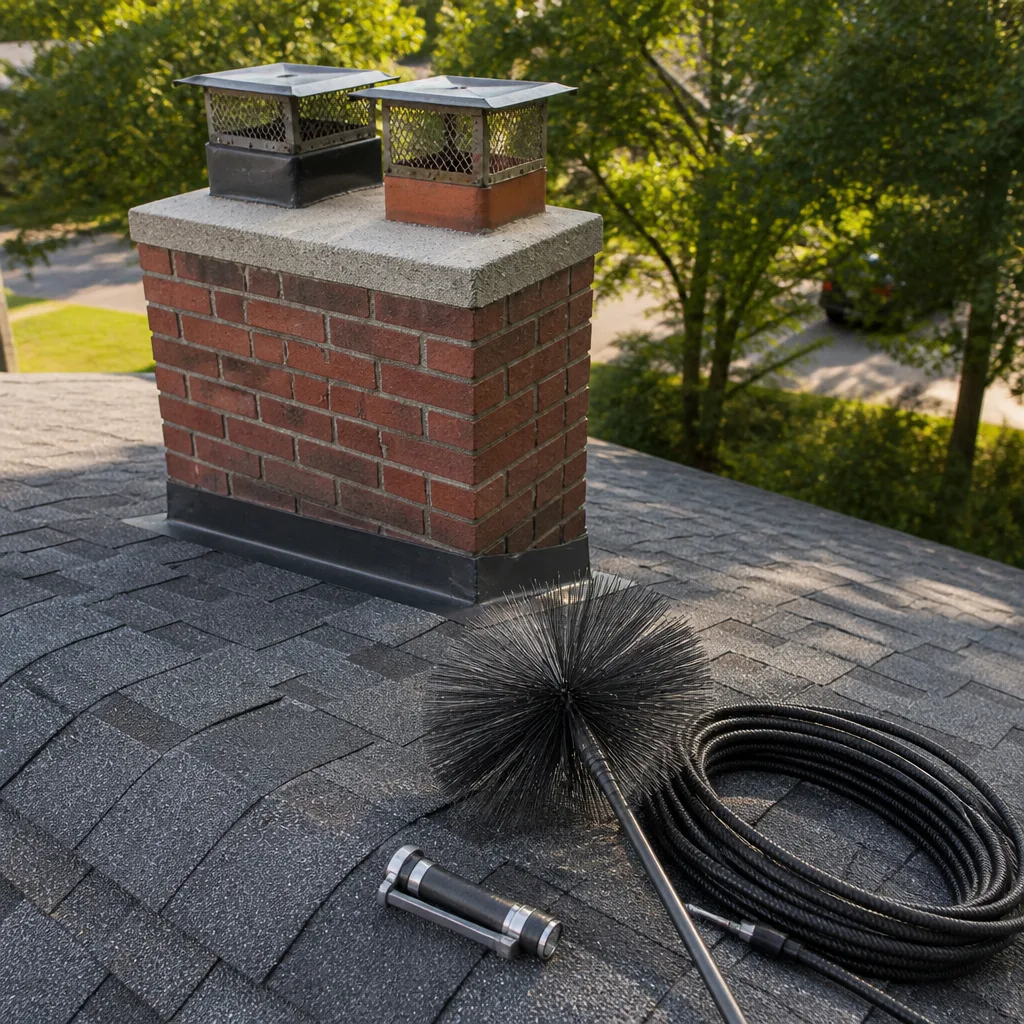 Sweep & inspection
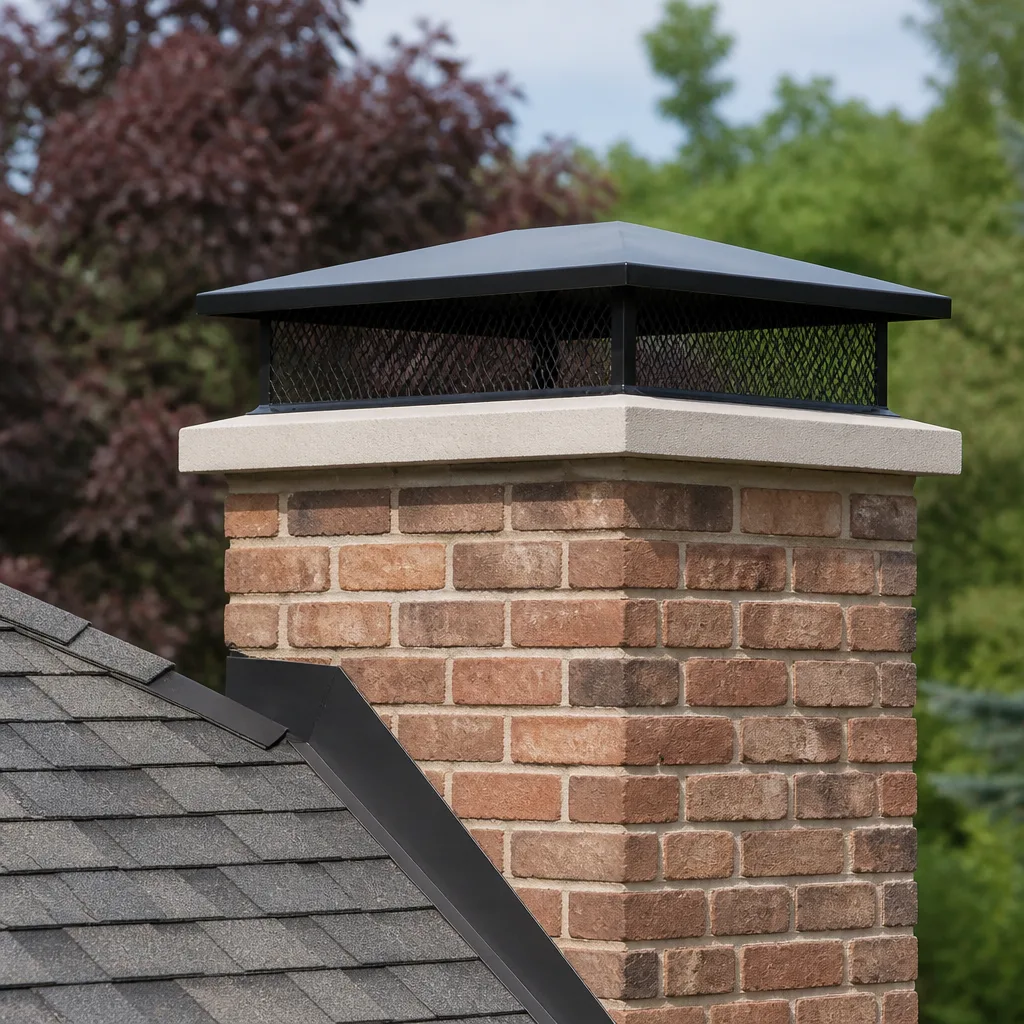 Caps & crowns
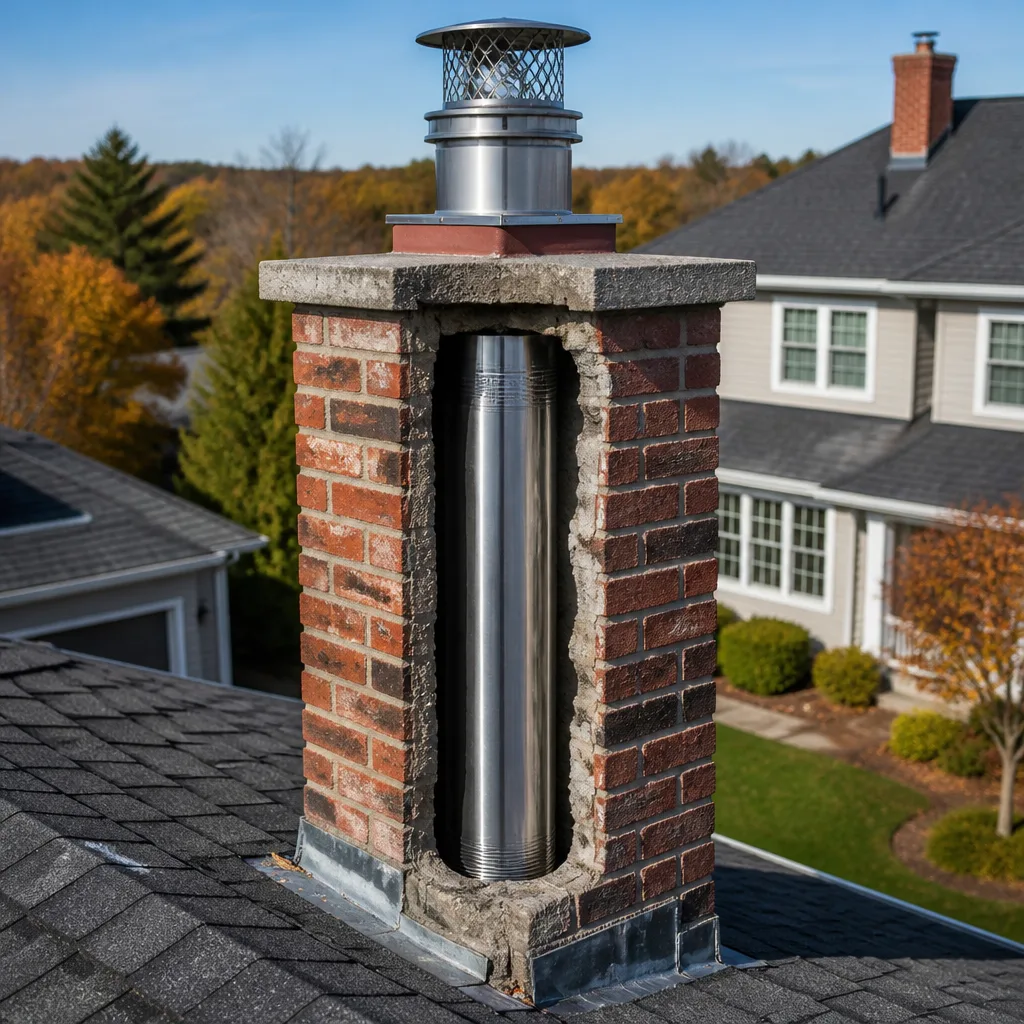 Flue relining
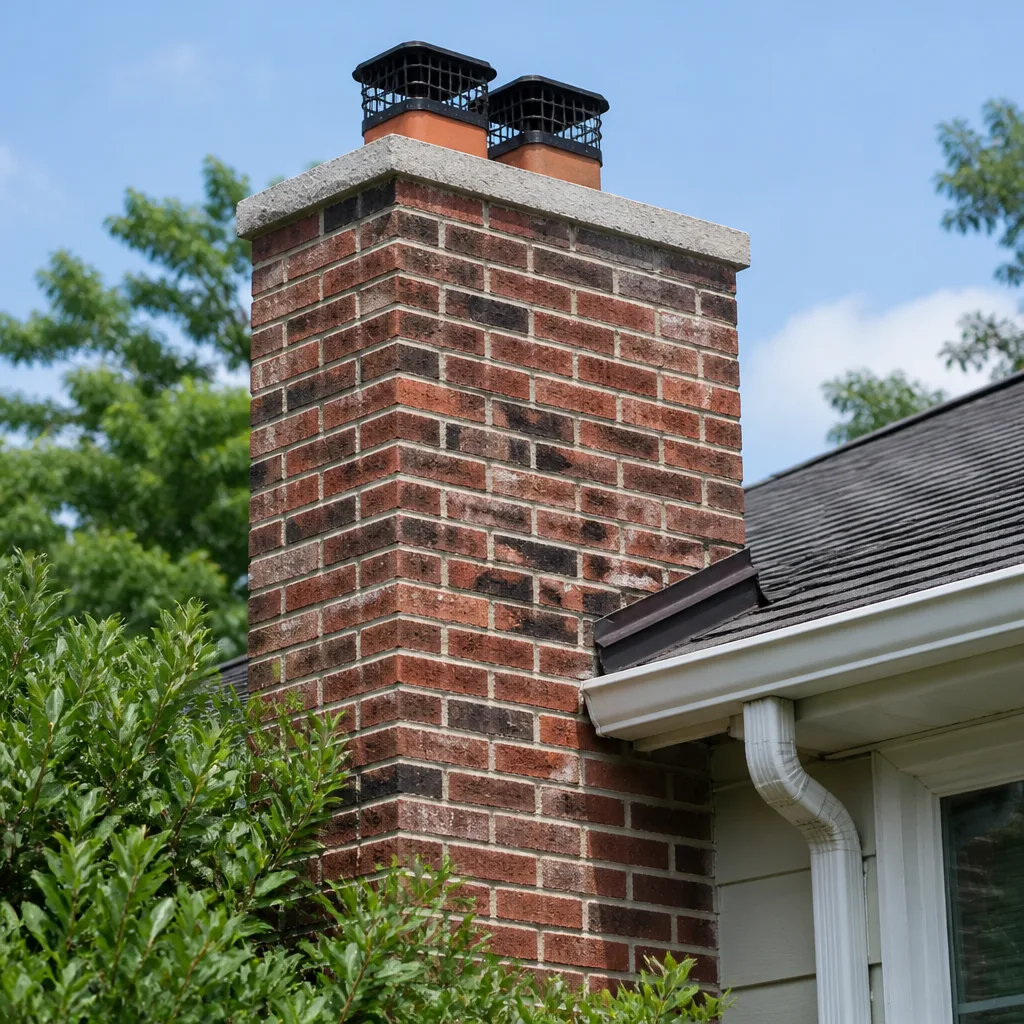 Masonry repair
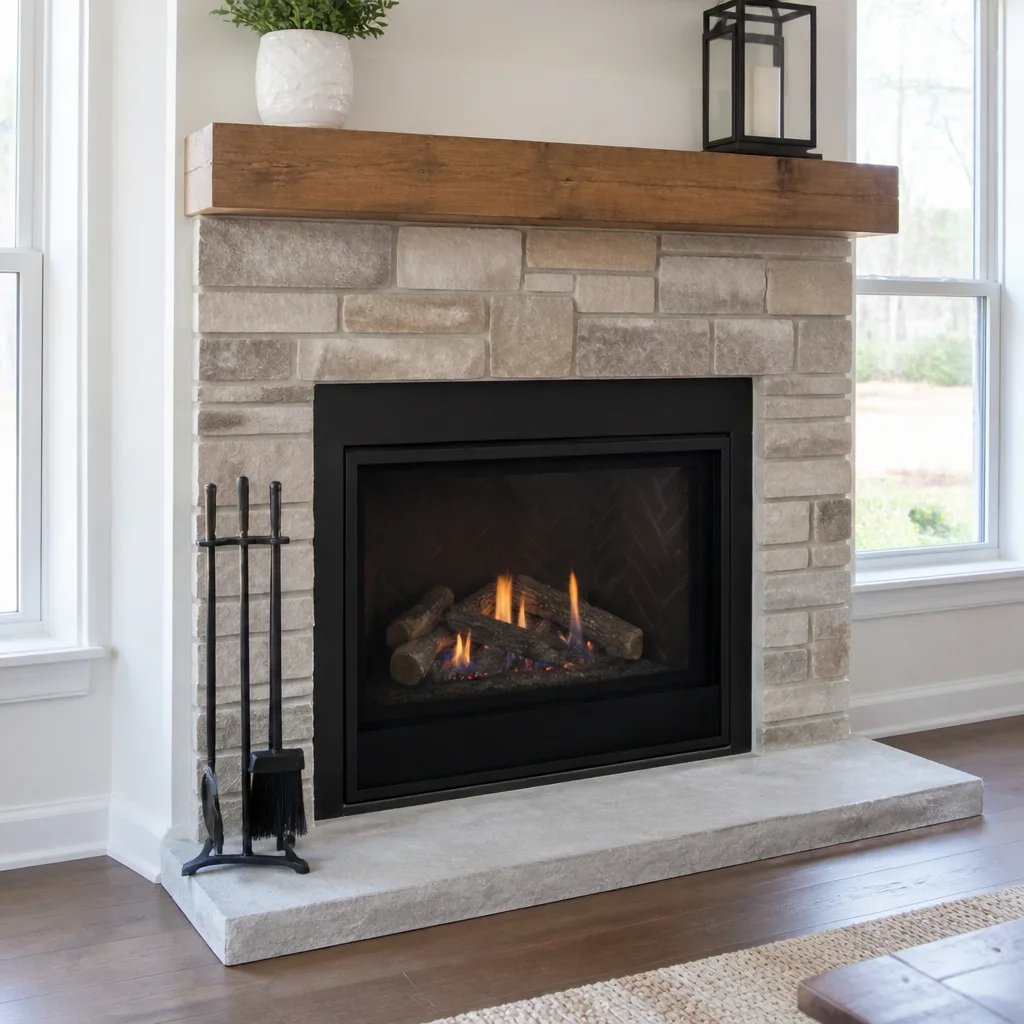 Gas fireplace service
Level 1 sweep and inspection to the NFPA 211 annual standard - flue, crown, cap, and flashing checked and photographed
Chimney sweep logs do not sweep chimneys. They loosen some creosote - which then falls where a brush and vacuum still have to collect it.
DIY vs Professional Chimney Cleaning: The Antioch Homeowner’s Decision Guide
You can buy the same brush a chimney sweep uses online, and nobody will stop you. But the brush isn’t what you’re paying a professional for. The real difference between a homeowner with a brush and a chimney sweep is whether anyone in the room knows what they’re looking at while the work gets done. In Antioch, where plenty of homes have been through several owners and several rounds of fireplace use, that difference matters. This guide draws the line clearly: what you can safely do yourself, what genuinely needs trained eyes and professional-grade equipment, and how to know which side of that line your chimney sits on.
Quick Answer
Most handy homeowners can physically run a brush through a flue, so DIY chimney cleaning isn’t impossible. But DIY stops making sense once you can’t see inside the liner, can’t identify cracking or glazing, or don’t know the burning history of your home. A professional sweep includes camera inspection, commercial vacuum equipment, and a trained opinion about what’s safe to burn in. That last part is what you’re really paying for in Antioch.
Styles & brands we work with
- Sweep & inspection
- Caps & crowns
- Flue relining
- Masonry repair
- Gas fireplace service
Table of Contents
- What a Homeowner Can Realistically Do with a Brush
- What DIY Chimney Cleaning Can’t Tell You
- Why Antioch Homes Make DIY Riskier Than It Looks
- The Equipment Professionals Use That You Can’t Buy
- The Insurance and Liability Reality of Self-Certifying a Flue
- The Middle Path: What Homeowners Should Do Between Visits
- How to Tell a Chimney Sweep Did a Good Job
- DIY vs Professional: What You’re Actually Comparing
What a Homeowner Can Realistically Do with a Brush
A homeowner with the right size brush, a drop cloth, and a ladder can knock loose soot off the walls of a flue. That’s real. On a lightly used chimney with mostly dry, seasoned wood behind it, a basic top-down brush pass will make the flue cleaner than it was. If that’s all you need, you can do it.
What you cannot do with consumer equipment is the part that determines whether the chimney is safe. Here is what a homeowner can accomplish:
- Knock surface soot off the walls. A properly sized poly brush on flexible rods will loosen loose creosote and soot deposits.
- Clear a light bird nest or leaf pile near the top. If you can see it from the roof and reach it safely, a nest near the flue opening can be removed.
- Check for obvious blockages with a flashlight from below. A quick look up from the firebox can reveal daylight where daylight shouldn’t be, or a full blockage.
- Spot external damage from the ground. A missing cap, a crumbling crown, or a leaning stack is often visible without climbing.
What you cannot realistically judge: whether the creosote you’re brushing is glazed and hard (which brushing won’t fix), whether the flue tiles have cracked, whether the flue is the right size for the appliance, or whether the crown and flashing have quietly failed and let water into the masonry. Those questions need light, a camera, and training. In Antioch homes that have been through several owners, those are exactly the questions worth asking.
What DIY Chimney Cleaning Can’t Tell You
The reason DIY chimney cleaning is riskier than it looks isn’t the brush. It’s the eyes. When we run a chimney sweep in Antioch, roughly half the value is delivered after the brush comes down: the visual walk-through that identifies what you didn’t know to look for. A homeowner standing on a roof with a flashlight isn’t doing that walk-through. Here’s what gets missed:
- Interior liner condition. Terra cotta flue tiles crack over time from heat cycling. You can’t see hairline cracks from above or below. A camera can.
- Creosote stage. Stage one creosote is fluffy and brushes off. Stage two is tar-like and harder. Stage three is glazed and needs mechanical polishing, not a brush. DIY brushes treat all three the same, and two of them don’t come off.
- Flue sizing. A flue that’s too large for the fireplace allows smoke to cool and deposit creosote faster. That’s a design question, not a cleaning question.
- Appliance connections. A wood insert, gas log set, or stove connection can obscure the flue above it. Removing and reinstalling those parts to inspect behind them is a trained task.
- Crown and flashing integrity. Water intrusion from a failed crown shows up as efflorescence and spalling years later. Catching it early is what prevents a repair bill.
None of that requires the homeowner to be careless. It requires seeing things you can’t see without the right equipment. That’s the line.
Why Antioch Homes Make DIY Riskier Than It Looks
Antioch sits in Middle Tennessee, which means a few things for a chimney. Summers are humid, so masonry holds moisture and freeze-thaw cycles in the cooler months work on any existing cracks. Winters bring enough cold snaps to make people burn harder for short stretches, which is exactly the pattern that deposits creosote fast. The result is many Antioch chimneys carrying more creosote than the homeowner realizes, because the burning happens in short intense bursts rather than steady all-season use.
Add to that the housing stock. Many Antioch homes have terra cotta liners that have been through several decades of use, in some cases with past repairs layered on top of original work. Older terra cotta tile is prone to cracking at the joints after repeated heating and cooling, and once a tile cracks, the next fire can send heat and gases into the surrounding masonry. A DIY brush pass doesn’t reveal that. A camera does.
There’s also the unknown history problem. A homeowner who bought in the last few years doesn’t know what the previous owners burned. Green wood, treated scrap, and occasional trash fires all leave deposits that don’t look like ordinary creosote and can be harder to remove. In a neighborhood where homes change hands regularly, assuming the flue is in normal condition is a bad bet. Getting an honest baseline with a professional Antioch Chimney Sweep inspection once, then deciding what you want to do yourself afterward, is a much better starting point than trying to reverse-engineer condition from the roof.
The Equipment Professionals Use That You Can’t Buy
The consumer chimney brush is fine for what it is, but it’s a small piece of a professional kit. The rest of the equipment exists because certain problems cannot be solved with a brush alone. Here’s what a professional sweep brings that a homeowner typically can’t get, or can’t use safely on their own:
- Rotary cleaning systems. A rotary head on a flexible rod spins at speed to remove glazed stage-three creosote that a hand brush slides over. This is the tool that turns a “probably needs a rebuild” verdict into “cleaned and safe.”
- Video inspection cameras. A camera on a flexible reel looks the liner up and down and shows the homeowner the footage. This is the difference between “your flue looks fine” and “here’s what your flue looks like.”
- Commercial HEPA vacuums. A shop vac pulls air through the firebox and blows fine soot into the room. A true chimney vacuum is sealed and filtered for the particle size soot produces. This is the single biggest reason DIY chimney cleaning leaves a film on the furniture.
- Professional lighting. High-output lights positioned inside the firebox show cracks and glazing that a flashlight can’t reach.
- Camera access to the crown and flashing from above. Not every defect is visible from the ground, and not every homeowner should be on a steep roof in wet weather.
We use materials from professional chimney industry brands for a reason. Resurfacing work involves HeatShield, cap and venting work involves Gelco and Famco, and liner work involves Olympia Chimney and DuraFlex. These are the brands specified by chimney professionals because they hold up to the heat cycling and moisture that a chimney sees. Off-the-shelf hardware-store parts are what a flue fails around, not what protects it.
The Insurance and Liability Reality of Self-Certifying a Flue
This is the part most DIY guides skip entirely. If you clean your own chimney and a chimney fire happens later, your homeowner’s insurance carrier is going to ask who serviced the flue and when. That’s not a scare tactic. It’s how claims investigations work. Most policies expect the homeowner to maintain the chimney as part of ordinary home upkeep, and a fire attributed to a neglected or improperly serviced flue can complicate a claim.
The honest answer for Antioch homeowners: nobody at our company is your insurance agent, and we can’t tell you what your specific policy says. What we can tell you is that chimney-related fire claims get investigated with records. A receipt or report from a professional chimney inspection establishes that the flue was assessed and cleaned by someone who does this as a trade. A homeowner’s own cleaning doesn’t produce that record. If you later sell the house, a buyer’s inspector will ask the same question.
There’s also the personal safety side. Chimney fires burn hot enough to crack masonry and ignite framing inside a wall, and carbon monoxide is colorless, odorless, and produced by the same appliance you rely on for heat. A flue that’s been self-cleaned and looks fine from below is not the same thing as a flue that’s been properly assessed. That distinction matters whether or not a claim ever happens.
The Middle Path: What Homeowners Should Do Between Visits
The choice isn’t really “DIY or professional.” It’s “which part of chimney care do I do, and which part do I hand to a professional.” Here’s the split we recommend to Antioch homeowners, and it’s the same split professionals use themselves:
What you should do yourself, between professional visits:
- Burn dry, seasoned wood. Wet wood deposits more creosote per fire, and that’s the deposit that causes problems.
- Keep a chimney cap in place. If your cap is damaged or missing, get it replaced; a $100 cap protects the flue from rain, animals, and debris.
- Check from the ground a few times a season for missing caps, damaged crowns, or obvious staining on the exterior masonry.
- Keep a functioning carbon monoxide detector on every level of the home and test it regularly.
- Note when the fireplace starts smoking into the room, which usually signals a blockage or pressure issue that needs looking at.
What should never be substituted with DIY:
- Inspecting a flue you can’t see inside. If you don’t have a camera, you don’t know.
- Removing glazed creosote. Rotary equipment is the only safe way, and it requires training to use without damaging the liner.
- Any work near a damaged or suspected-damaged liner. Heat and gases escaping a failing flue are the exact scenario a professional inspection is designed to catch.
- Repair work on the crown, flashing, or masonry. Cosmetic patches over failed material don’t last and can hide worse problems.
- Assessing whether the flue is safe to use at all after a chimney fire, even a small one. Once a fire has happened, the liner needs to be inspected before the next burn.
We do this split for homeowners across Antioch every season. The pattern is consistent: the homeowner who stays on top of what they can do between visits, and calls a professional for the rest, ends up with a chimney that lasts decades longer than one that only gets attention when a problem is obvious. Fireplace repair and cap and crown work are the two things we end up doing most often for homeowners who tried DIY first, because those are the areas where “looks fine” and “is fine” diverge fastest.
How to Tell a Chimney Sweep Did a Good Job
Whether you hired a professional or cleaned the chimney yourself, there are ways to check the work. Knowing what a thorough job looks like is useful because it tells you what to ask for, and it tells you what to look for after the service. Here’s a short checklist.
- The sweep showed you what they found. A camera on a flexible reel, a photo from inside the flue, or a written report describing the flue condition. “Everything looked good” without evidence is not a service, it’s a guess.
- The room was left clean. Commercial HEPA vacuums with sealed filtration leave the room as clean as it started. A sweep who leaves a film of soot on the mantle or floor didn’t bring the right equipment.
- The cap and crown were checked, not skipped. The cap protects the flue from water and animals. The crown protects the top of the chimney from water. Both get looked at in a thorough visit.
- You got a written report and a recommendation that made sense. “You need a new liner” without camera evidence you can see for yourself is where homeowners get burned. A good sweep shows the crack, then recommends.
- They told you when nothing needed doing. A sweep who finds a clear flue and a solid crown should say so. Work that isn’t needed is not work you should be booked for.
If you want a same-visit baseline in Antioch, we can run a full inspection, clean what needs cleaning, and show you the footage before recommending anything. If nothing needs doing, we say so.
DIY vs Professional: What You’re Actually Comparing
On the surface, DIY looks like a clear win on cost. A consumer brush and rod kit is a one-time purchase. But the comparison needs to include what a professional service includes that the DIY version doesn’t. Here’s what a professional visit typically covers, side-by-side:
- Cleaning. Both DIY and professional. Brush equipment differs in quality and the professional adds rotary capability for glazed creosote.
- Video inspection. Professional only. Your only path to knowing what’s actually inside the flue.
- Camera access for crown, flashing, and masonry. Professional only.
- Soot containment. Professional only, via commercial HEPA equipment. A clean room is part of the service.
- Written report and record for insurance. Professional only.
- Recommendation grounded in what’s actually wrong. Professional only, and the reason we show the footage before recommending repair work.
The honest summary: DIY is worth doing if you want to keep a lightly used, well-maintained flue clean between professional visits, and you’re willing to accept that you can’t verify condition. It is not worth doing if you have questions you can’t answer about the flue’s interior, the burning history, or the state of the liner. Those questions are why we exist. When you call Antioch Chimney Sweep, one visit covers the chimney sweep, the inspection, and a plain-language report on the chimney cap & crown. We also handle the liner and masonry side of the trade, so a homeowner doesn’t get a report and then a hand-off to a subcontractor.
Common Mistakes to Avoid
- Brushing without knowing what’s behind the firebox. A DIY brush pass tells you nothing about whether the liner above the smoke chamber is intact. Get a camera through once before you spend a season brushing blind.
- Assuming glazed creosote will come off with a brush. Stage-three creosote is shiny and hard. A hand brush slides over it, and the flue looks the same afterward. Rotary equipment is what removes it.
- Using a shop vac in the firebox. Shop vacs pull air through the motor and exhaust fine soot into the room. That film you see on furniture after a DIY cleaning is the vacuum, not the brush.
- Treating a missing cap as a minor issue. In Antioch, rain and nesting birds get into an uncapped flue. A damaged cap also lets water run down into the crown joint, and that’s where masonry damage starts.
- Burning unseasoned wood because it’s on sale. Wet wood produces more creosote per fire, and that’s the deposit that drives the next cleaning. Seasoned wood costs a little more and saves the flue a lot.
- Assuming the flue is fine after a small chimney fire. Even a short fire can crack a flue tile without any visible sign from outside. A flue that’s had a fire needs inspection before the next burn, not brushing.
- Trusting a “you need a new liner” recommendation you can’t verify. If a sweep tells you the liner needs replacing, they should be able to show you the crack on camera. If they can’t, get a second opinion.
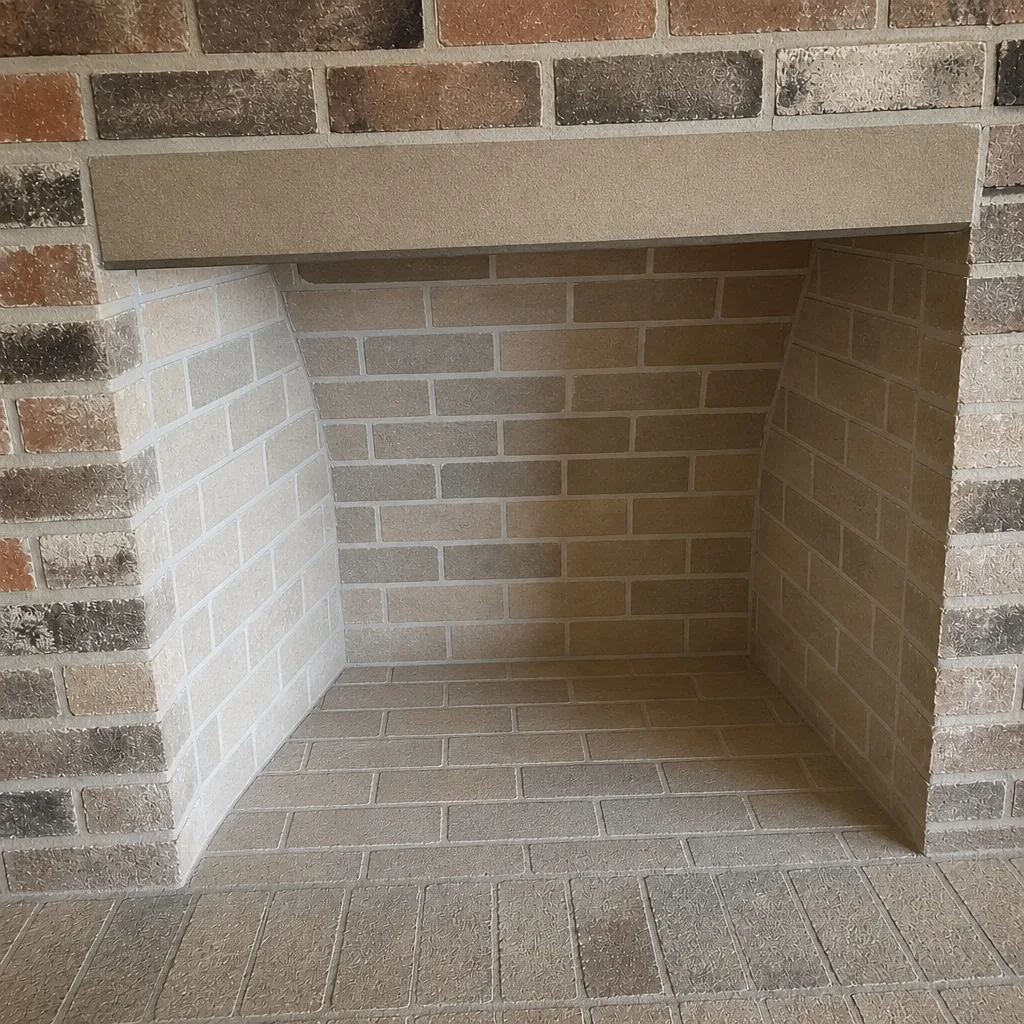
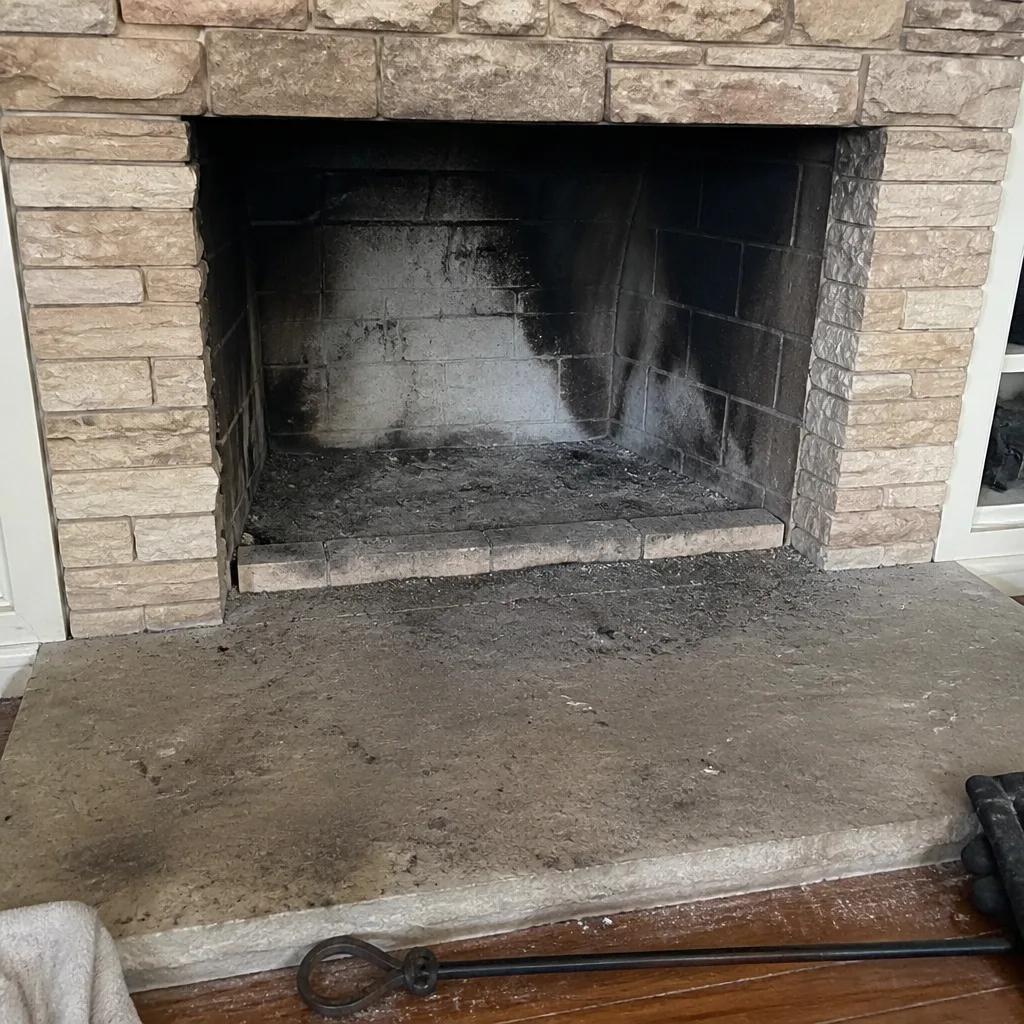
See the difference
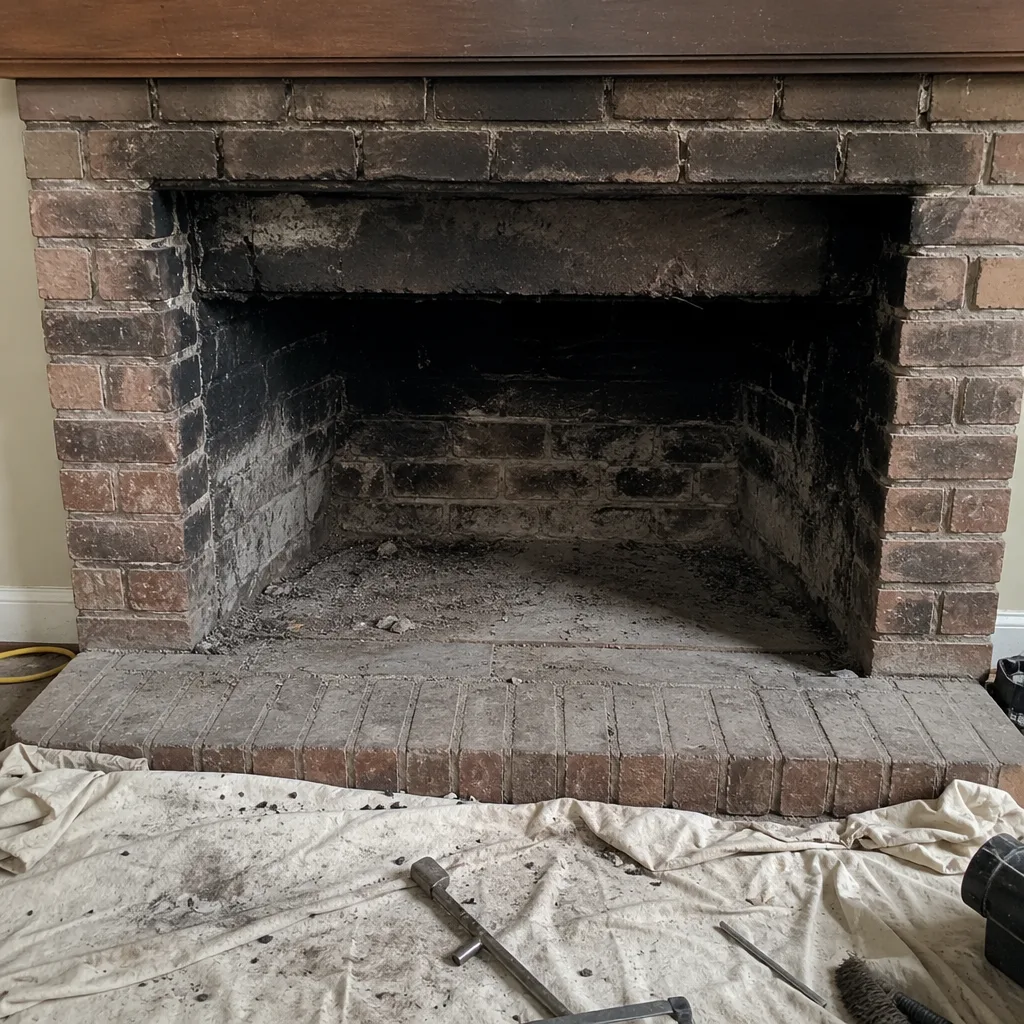 Before
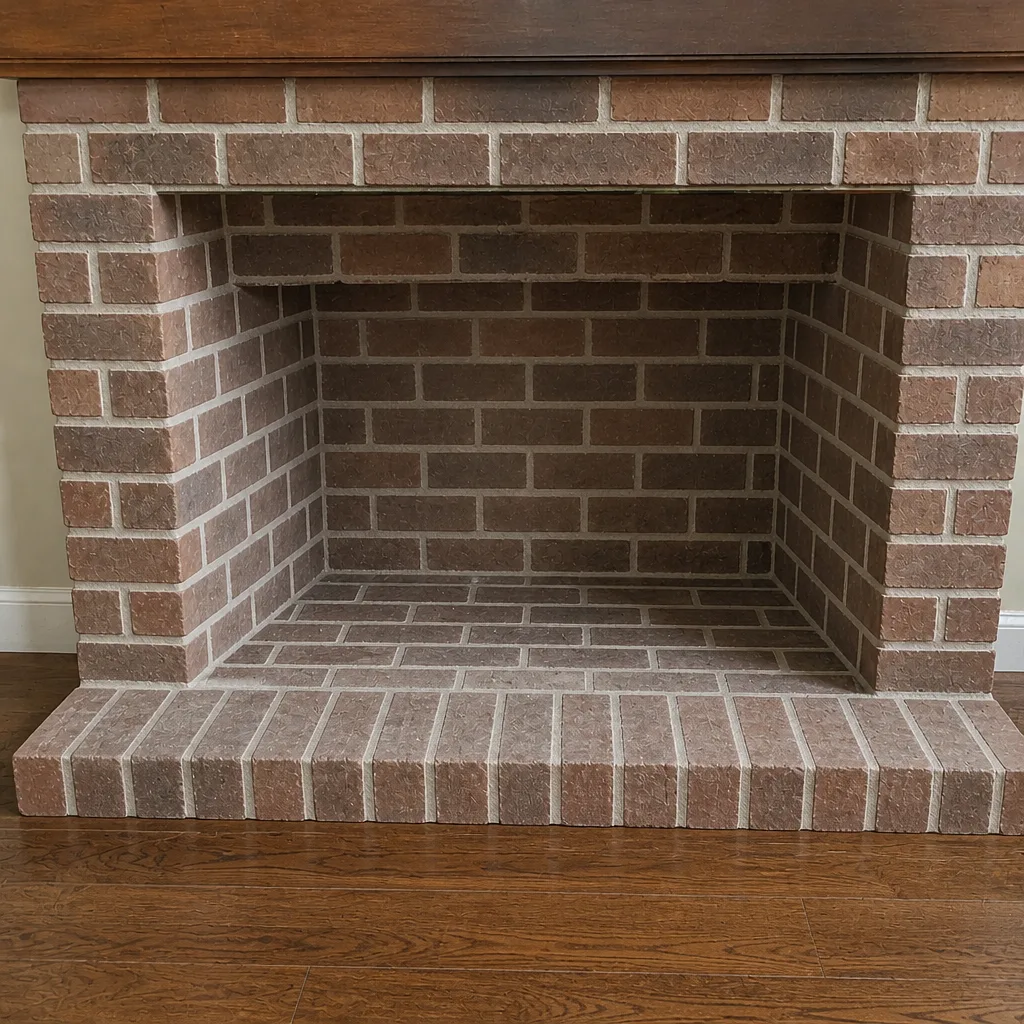 After
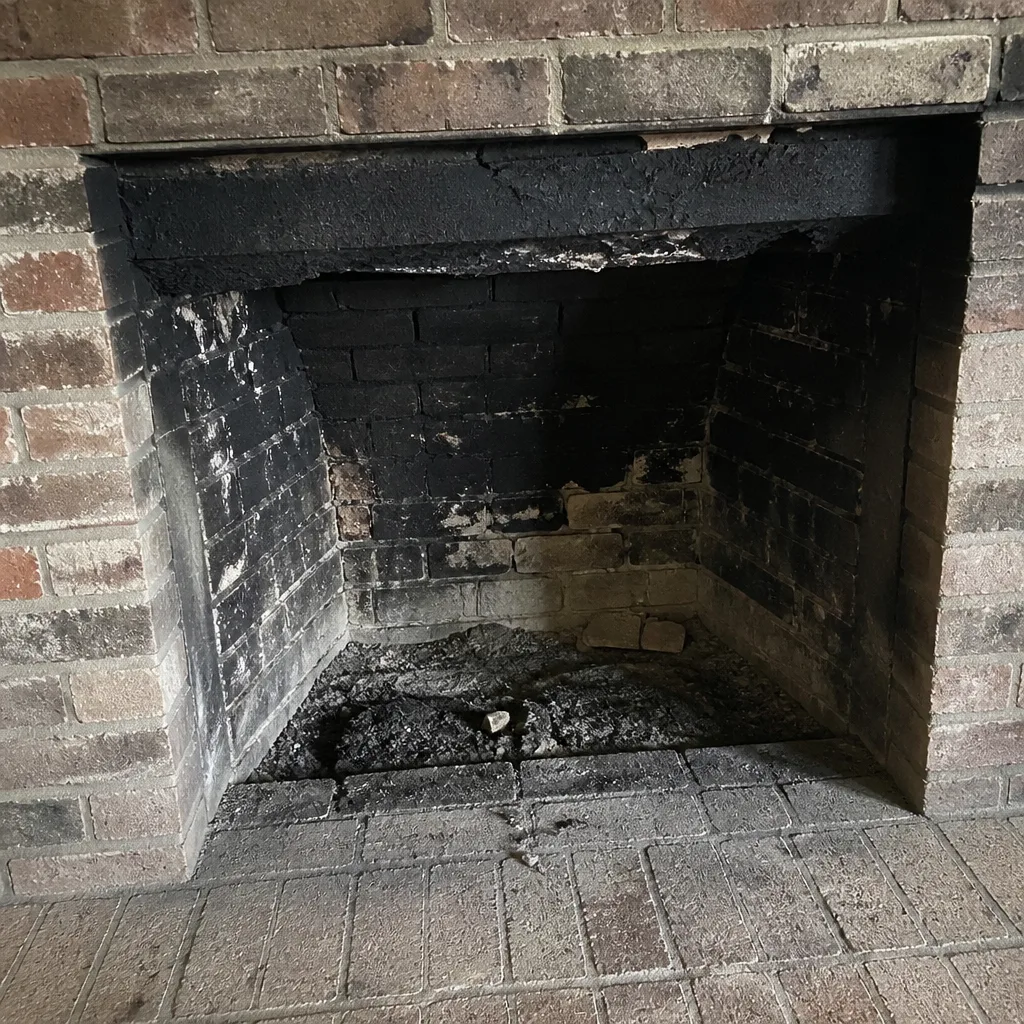 Before
 After
 Before
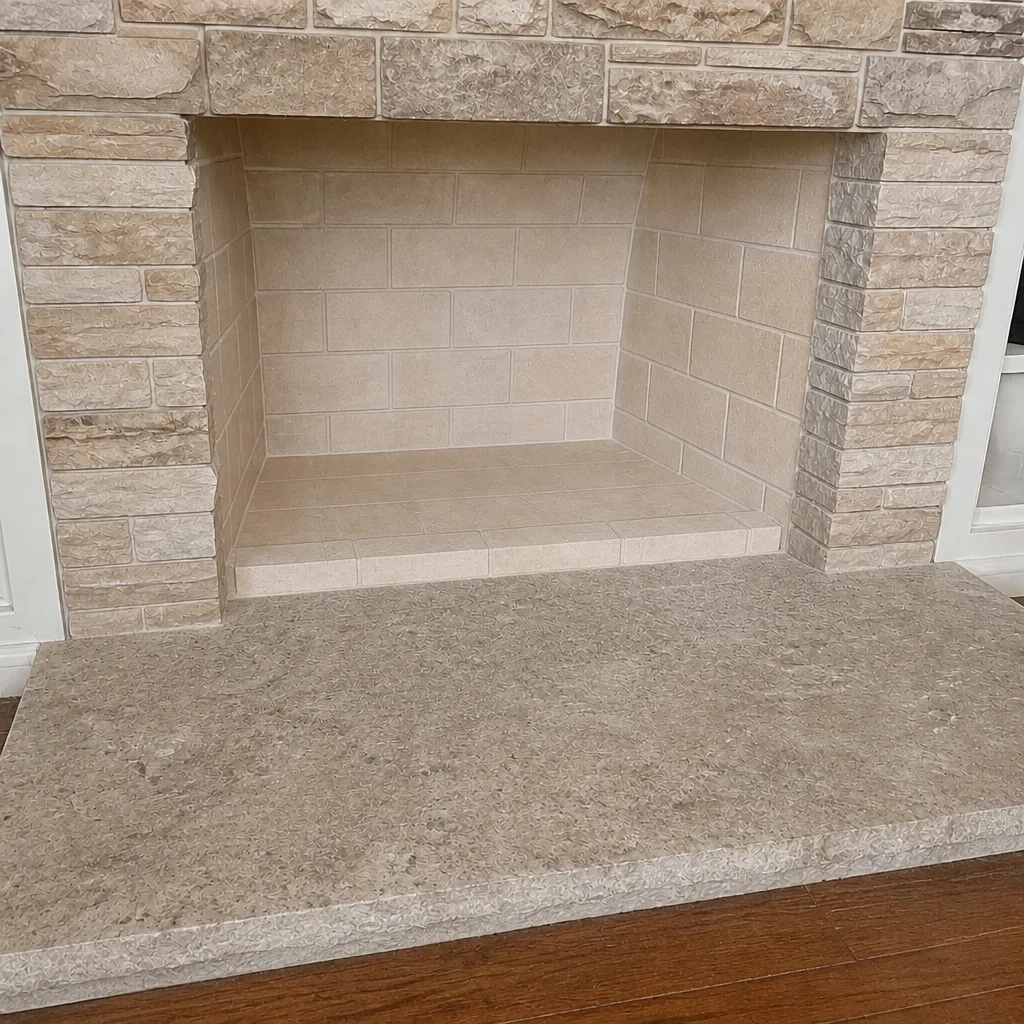 After
When to Call a Professional
DIY is reasonable for a lightly used, well-maintained flue between professional visits. It stops being reasonable in a handful of specific cases. Call a professional if any of the following is true:
- The chimney has never been inspected, and you don’t know its burning history.
- You’ve had a chimney fire, even a small one, or you’ve noticed a strong smoky smell that doesn’t go away.
- You see visible damage on the crown, cap, or exterior masonry.
- Smoke comes back into the room when the fireplace is running.
- You’re preparing for heating season and haven’t had the flue checked.
- You’re thinking about a wood insert or gas log set, both of which change the flue requirements.
- You bought the home recently and have no service record.
Antioch Chimney Sweep offers free estimates in Antioch. Call (844) 625-6985. We answer 24/7. Fast dispatch from 7am to 7pm, Sunday through Friday. Every visit includes a camera inspection and a plain-language report on what we found, and we tell you when work can safely wait.
Frequently Asked Questions
You can safely knock surface soot off a lightly used flue with a consumer brush and rods. You cannot safely assess the condition of the liner, identify glazed creosote, or check the crown and flashing without camera equipment and training. The right line is: use DIY for maintenance between professional visits, and use a professional for the inspection that tells you what state the flue is actually in.
A DIY hand brush removes loose soot and light creosote from the flue walls. A professional rotary system spins a head on a flexible rod to grind off glazed stage-three creosote, which a hand brush cannot remove. Rotary equipment also does the job without damaging the liner, which is why it’s the standard for heavier deposits.
The chimney may look clean and still have a cracked liner, a failed crown, or a flue that’s too large for the appliance. None of those are visible with a brush and a flashlight. The most common outcome is a small defect that becomes a large one, and the most serious outcome is a chimney fire that the homeowner had no way to see coming. Call (844) 625-6985 and we’ll run the inspection before you decide on the brush.
Insurance carriers investigate chimney fire claims by asking who serviced the flue and when. A professional inspection report gives the claim a record; a homeowner’s own cleaning does not. We can’t tell you what your specific policy requires, but a professional record is simpler to have than to reconstruct after the fact.
Most wood-burning chimneys should be inspected once a year and cleaned when deposits reach a quarter inch or so. The schedule depends on how much you burn, what you burn, and how the flue is sized. A quick professional inspection can tell you your actual interval, which is cheaper than guessing.
Start with a professional inspection before your first fire. A camera sweep of the flue plus a crown and cap check gives you a baseline you can trust. Once that’s done, you’ll know exactly what’s safe to do yourself and what isn’t. Call (844) 625-6985 and we’ll get you scheduled.
The Bottom Line
The DIY vs professional chimney cleaning debate comes down to information, not capability. A homeowner can run a brush. A homeowner can’t always tell what they’re looking at while it happens. In Antioch, older terra cotta liners, humid summers, short cold snaps, and homes with unknown burning history make the gap between “cleaned” and “safe” wider than it is in a newer house. The practical answer: do the maintenance work you can between visits, and let a professional do the inspection that tells you what state the flue is in. One call covers the sweep, the camera inspection, and a plain-language report, and we tell you when nothing needs doing. Call (844) 625-6985 for a free estimate. We answer 24/7. Fast dispatch from 7am to 7pm, Sunday through Friday.
Written by the team at Antioch Chimney Sweep.